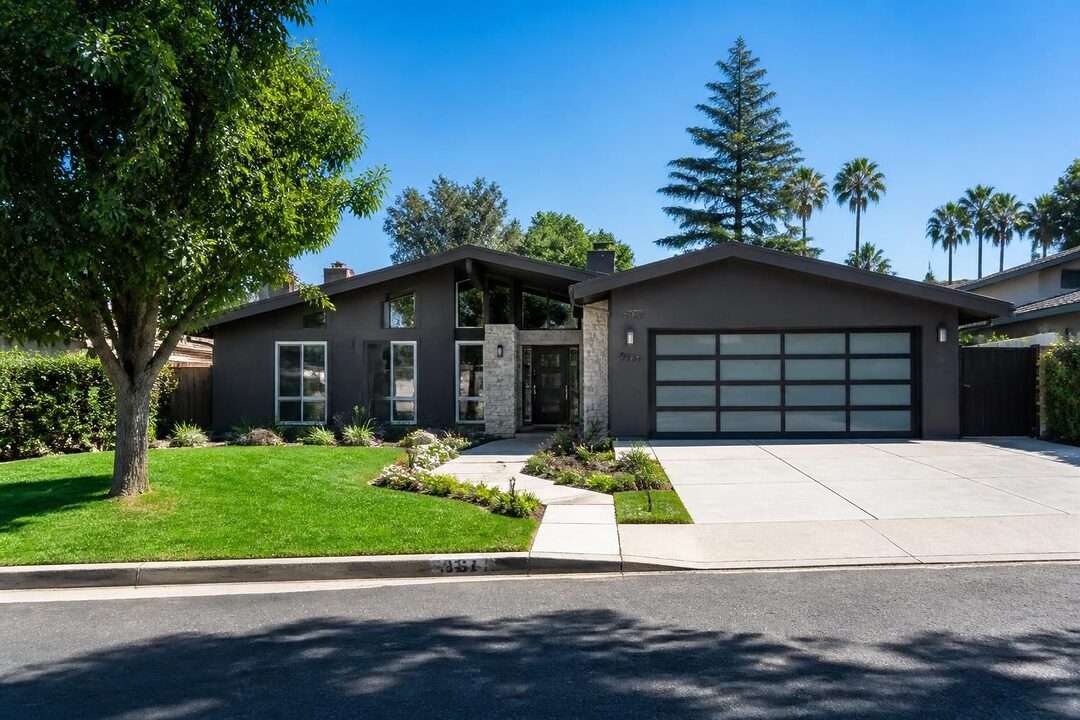
The ultra-luxury real estate market occasionally unveils properties that redefine the very concept of exclusivity and grandeur. The $250 million mansion located at 924 Bel Air Road is a prime example, boasting an extraordinary blend of architectural splendor, meticulous interior design, and unparalleled high-end amenities. This estate is not merely a residence but a statement on craftsmanship, historical significance, and state-of-the-art innovation in smart home technology. Stretching over 38,000 square feet of living space, complemented by an additional 17,000 square feet dedicated to entertainment, this property challenges conventional boundaries of opulence.
Tracing its roots back to the 1930s, the mansion—known as Casa Encantada—holds a storied past filled with prestigious ownership and record-setting sale prices. Its recent $250 million listing price could establish a new benchmark for luxury homes in the United States, surpassing notable transactions such as the $238 million New York City penthouse acquired by hedge fund manager Ken Griffin. The property’s 60 rooms encompass everything from a custom wine vault and a private screening room to expansive outdoor amenities that include tennis and basketball courts, koi ponds, and elaborate gardens.
Beyond sheer size and grandeur, the estate integrates an impressive level of artistry and technological sophistication. A painstaking two-and-a-half-year renovation led by renowned interior designer and architect Peter Marino upgraded intricate plasterwork and wall finishes with dozens of paint layers and hand-polishing techniques. These enhancements testify to an unwavering commitment to preserving the estate’s historic charm while incorporating contemporary luxurious amenities and smart home features that characterize the very apex of residential real estate today.
Architectural Grandeur and Historical Significance in Bel Air’s Most Expensive Mansion
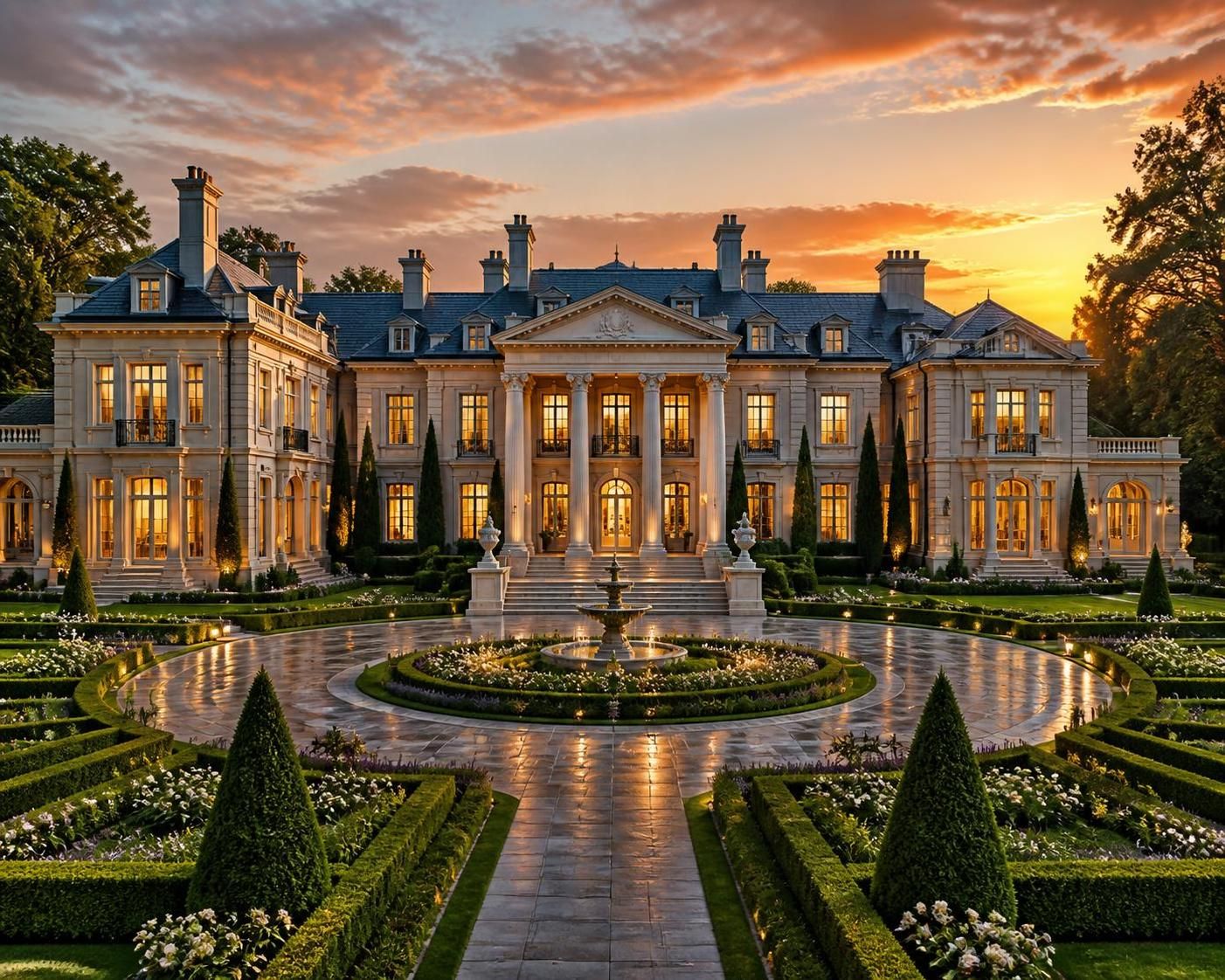
The architectural design of this $250 million mansion stands as an homage to Georgian elegance blended with modern luxury, illustrating how historical styles can be adapted for high-end residential living. Originally constructed in the 1930s for widow Hilda Boldt Weber, the home’s Georgian structure features balanced proportions, classic symmetry, and intricate detailing typical of the era. This design provides a timeless foundation that continues to inspire awe nearly a century later.
Its significance is further enhanced by a lineage of illustrious owners, including hotelier Conrad Hilton. Purchasing the estate for a modest sum of $225,000 in 1950, Hilton left the original architecture largely untouched, preserving the historic character of the home. The more recent owners, Gary and Karen Winnick, have also respected this legacy, undertaking a meticulously detailed renovation instead of a teardown, thus elevating the home’s status as a cultural and architectural treasure.
The mansion spans eight acres of lush landscaping, featuring formal gardens, water elements such as koi ponds, and extensive outdoor courts designed for tennis and basketball. Such extensive grounds offer privacy and seclusion—two highly valued attributes in luxury properties—while maintaining easy access to the iconic and vibrant Bel Air neighborhood of Los Angeles.
Examples of the architectural features include:
- Handcrafted plaster ceilings and moldings: These elements required expert artisanship, reflecting a level of detail often reserved for historic landmarks.
- Symmetrical facades and grand entrances: Enhancing the stately presence sought by high-end buyers seeking a home with presence and prestige.
- Garden and landscape integration: Designed to create a seamless indoor-outdoor living experience, essential in California’s luxury market.
This estate’s architectural excellence defines the broader appeal of luxury real estate in California, where historic preservation and modern enhancement coalesce to produce homes of extraordinary character and exclusivity. For those interested in architectural history and design, this property serves as a sterling example of blending aesthetic durability with contemporary expectations. Further exploration into similar historic estates can be found through expert discussions on how to recognize and appreciate antique styles within luxurious settings, as detailed in antique decorative elements.
Exceptional Interior Design, Craftsmanship, and High-End Features
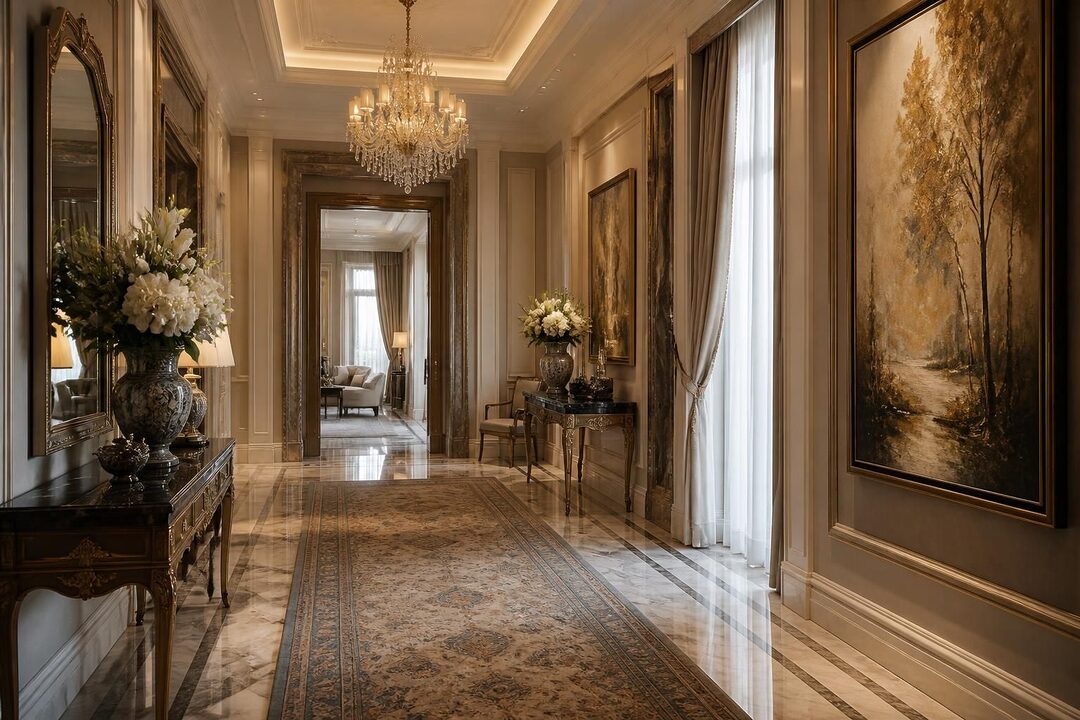
Inside the mansion, the design language epitomizes sophistication and personalized luxury. The extensive renovation directed by Peter Marino involved a rigorous restoration of original surfaces and embellishments, which included over two dozen layers of paint and months of hand-polishing to achieve the luminous lacquered finish seen in various formal areas like the dining room. This painstaking process reflects an industry-leading standard of interior design and craftsmanship found only in select real estate listings at the apex of the market.
The interiors comprise 60 rooms, designed not only for opulent living but also for exceptional entertainment and privacy. Key highlights include:
- State-of-the-art wine vault: Featuring climate-controlled storage, this amenity caters to serious wine collectors and connoisseurs.
- Private screening room: Equipped with industry-grade audiovisual equipment, offering an exclusive cinema experience for residents and guests.
- Bar and lounge spaces: Crafted for both intimate gatherings and large-scale social events.
The quality of materials and finishes defines the high-end feel throughout the residence—custom woodwork, imported marbles, rare textiles, and designer lighting fixtures all converge to sculpt an environment where elegance meets functionality. Beyond aesthetic value, such attention to detail increases the home’s overall investment appeal, as high-caliber craftsmanship and distinctive design significantly enhance market value.
Luxury residences of this caliber increasingly embrace cutting-edge smart home systems. Advanced automation controls lighting, climate, security, and entertainment from centralized digital platforms, offering unparalleled convenience and security to the homeowner. Integrating these technologies into a historically significant home requires thoughtful planning to preserve authentic character while delivering modern functionality, a feature that todays’ high-end buyers increasingly expect.
These distinctive interior elements contribute to the property’s standing in the luxury real estate sector and echo broader design trends seen in recent top-tier estate listings. Homeowners and investors interested in the nexus of architectural preservation and innovative interior design strategies may find resources on modern two-story house concepts and luxury architectural advancements particularly insightful.
Unrivaled Luxurious Amenities and Outdoor Living Spaces
In the realm of ultra-luxury homes, amenities define societal status and lifestyle. This mansion presents an extensive suite of luxurious offerings that transform daily living into an experiential journey. Notably, the outdoor areas are as carefully curated as the interior, capitalizing on California’s favorable climate to provide year-round entertainment and outdoor relaxation.
Key outdoor features include:
- Tennis and basketball courts: Professional-grade surfaces perfect for competitive play or leisure activities, enhancing wellness and social experiences.
- Koi pond and ornamental water features: These add tranquility and natural beauty, blending seamlessly with the manicured gardens.
- Expansive entertaining terraces: Offering ample space for hosting large gatherings with breathtaking views and comfortable outdoor furniture.
These expansive outdoor spaces not only augment the home’s exclusivity but also provide versatile utility that can appeal to a variety of buyer lifestyles, ranging from sports enthusiasts to those seeking peaceful retreats. The integration of luxurious outdoor amenities underscores an important trend in luxury architecture: the fusion of indoor-outdoor living that maximizes property utility and enhances lifestyle quality.
The estate’s location in Bel Air adds another layer of exclusive appeal. Known for its privacy, celebrity residents, and prestigious real estate offerings, Bel Air remains a hotspot for elite buyers drawn by privacy and high-quality living conditions. This neighborhood’s cachet solidifies the estate’s status as a premier investment property, with resale values supported by enduring demand for exclusive homes in premier locations.
Market Context, Investment Value, and Pricing Dynamics in Luxury Real Estate
High-end properties listed at $250 million are exceptionally rare, placing this mansion among the most notable examples within the American real estate market. Historical sale data reveals that this estate has repeatedly set records, initially purchased in 1980 for $12.4 million and later sold in 2000 for $94 million to its current owners, marking it as one of the highest-valued private homes at each point.
Understanding the factors behind such a lofty asking price involves considering location, historical prestige, size, architectural significance, and state-of-the-art renovations. The blending of these elements creates a uniquely valuable property that appeals not only to affluent individuals seeking a luxurious lifestyle but also to investors looking for assets that preserve and grow wealth over time.
Below is a summary comparison of prices for the most expensive U.S. residential properties, illustrating this mansion’s standing:
| Property | Location | Sale/Listing Price | Year | Size (sq ft) |
|---|---|---|---|---|
| Casa Encantada | Bel Air, CA | $250 million (listed) | 2026 | 38,000 + 17,000 (entertainment) |
| 432 Park Avenue Penthouse | New York, NY | $238 million (sold) | 2019 | 8,255 |
| Chartwell Estate | Bel Air, CA | $150 million (sold) | 2019 | 25,000 |
Potential buyers should also account for ongoing maintenance, property taxes, insurance, and potential Homeowners Association fees, especially for estates of this scale and exclusivity. Moreover, while such a property presents a prestigious investment vehicle, market liquidity can be limited given the scarcity of buyers able to transact at this level.
Insights on luxury real estate marketing trends and effective investment considerations are available through detailed resources such as how to master luxury real estate marketing in 2026, offering guidance to navigate the nuances inherent in this unique market segment.
Privacy, Security, and the Smart Home Revolution in Ultra-Luxury Estates
For estates representing the pinnacle of luxury and exclusivity, privacy and security emerge as indispensable components. At this price point, homeowners demand protection that matches the value and profile of their residence. This mansion employs advanced security measures including biometric access control, 24/7 monitored surveillance systems, and secure perimeters designed to deter and respond to unauthorized access efficiently.
Integration of smart home technology further extends beyond convenience into the realm of safety and energy efficiency. Centralized control systems enable management of lighting, temperature, shading, and security through intuitive interfaces, ensuring optimal conditions tailored to the homeowner’s preferences. These systems also provide remote access and real-time alerts, crucial for owners who might split their time between multiple residences or travel frequently.
The trend toward technologically integrated estates is reshaping expectations for luxury homes. Residential real estate investors and buyers increasingly prioritize properties that offer seamless automation and heightened security without compromising aesthetic appeal or historic integrity.
Examples of such smart home features include:
- Automated lighting and climate control: Reducing energy consumption and enhancing comfort.
- Voice-activated systems: For effortless interaction with home environments.
- Advanced surveillance systems: Featuring AI-powered monitoring and immediate incident response.
These innovations position the mansion not only as a timeless architectural icon but as a forward-looking abode equipped for the demands of luxury living in 2026 and beyond. For additional context on modern technological advances in home design and security, perspectives on innovations in technological house design provide comprehensive insights.
What factors contribute to the extraordinarily high price of this mansion?
Several factors include its prime Bel Air location, extensive 38,000+ square feet living space, historical architecture and renovation, luxurious amenities, sprawling eight-acre grounds, and cutting-edge smart home systems.
How does restoring a historic mansion differ from building a new luxury home?
Restoration demands preserving original architectural details while integrating modern luxury and technology sensitively. This often requires specialized craftsmen and prolonged timelines compared to building from scratch.
What are the ongoing costs associated with owning such a high-value property?
Beyond the purchase price, owners face maintenance expenses, property taxes, insurance, security staffing, landscaping, and potential homeowners association fees that can be substantial given the property’s size and exclusivity.
Are smart home features standard in luxury mansions today?
Yes, integration of advanced smart home technology is increasingly standard, offering benefits in convenience, security, and energy management tailored specifically for high-end residential properties.
How does investing in an ultra-luxury property compare to other real estate investments?
Ultra-luxury properties often serve as prestige assets and long-term value stores but have limited liquidity and niche buyers. Investors must weigh these factors against market trends, tax considerations, and personal lifestyle needs.

At 33 years old, I specialize as a Licensed Residential Real Estate Advisor and Property Market Analyst. With a deep understanding of market trends and client needs, I provide strategic insights and personalized guidance to help clients make informed real estate decisions.