Located in the illustrious heart of Manhattan, 12 East 76th Street stands as a distinguished architectural and historical landmark that embodies the essence of the Upper East Side’s refined urban character. Nestled within the coveted Lenox Hill neighborhood, this residence is not simply a home but a piece of enduring heritage that reflects New York City’s rich cultural tapestry. Balancing classic design elements and modern living conveniences, the property offers a glimpse into the distinguished lifestyle that this iconic street has hosted for over a century. From the intricately detailed limestone façade to the thoughtfully curated interiors, 12 East 76th Street represents a fascinating synthesis of history, architecture, and sophisticated city living.
Key Takeaways:
- 12 East 76th Street is a historic residence located in Manhattan’s prestigious Lenox Hill area, known for its blend of tradition and modern amenities.
- The architecture showcases early 20th-century Beaux-Arts style with intricate details that contribute to its status as a New York City landmark.
- The property’s interior balances historical charm with contemporary design, featuring spacious rooms, high ceilings, and state-of-the-art facilities.
- Located within the Upper East Side, the home benefits from proximity to cultural institutions, fine dining, boutique shopping, and Central Park.
- Understanding the property’s significance offers insight into New York City’s real estate heritage and ongoing urban exploration.
The Architectural Excellence of 12 East 76th Street: A Historical Masterpiece
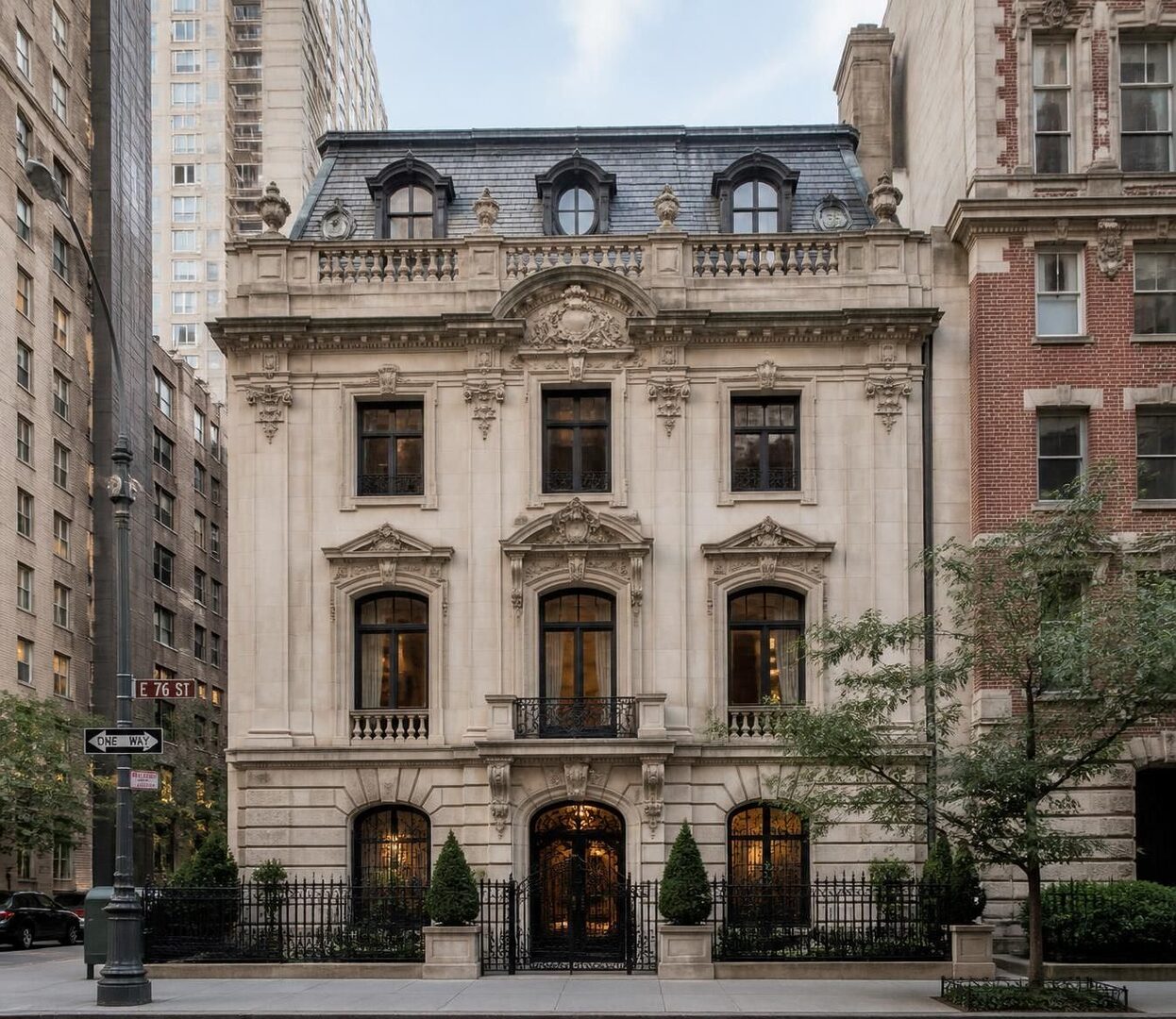
12 East 76th Street proudly exhibits the architectural elegance synonymous with the Upper East Side, an area celebrated for its distinguished homes and landmarks. Constructed around 1910 by the reputable firm Schwartz & Gross, this residence is a rare example of a sizable single-family home from an architect known primarily for high-end apartment buildings. Crafted during a period when Manhattan’s elite sought to emulate the grandeur of European palaces, the house’s Beaux-Arts style is unmistakable.
The building’s façade reveals masterful brickwork paired with vintage cornices and grand windows that capture both attention and admiration. Such details communicate a subtle yet commanding presence on one of Manhattan’s historic blocks. These elements don’t merely serve aesthetic purposes; they encapsulate the craftsmanship and meticulous attention to detail common among early 20th-century constructions that have since become historical sites within the city.
Moreover, the structure integrates modern upgrades while honoring its original design language. Renovations respect the limestone exterior, preserving the authentic texture and character characteristic of the neighborhood’s heritage. This balancing act between preservation and modernization highlights challenges common in maintaining landmark properties, yet here it is executed with precision and respect for history.
The architectural significance of this building lies in its capacity to act as a bridge between eras, illustrating New York’s evolution from Gilded Age opulence to a 21st-century urban setting. It also serves as an instructive example for those interested in architectural history or the nuances of property investments within historical districts, emphasizing how legacy and functionality can coexist.
Interior Elegance and Modern Adaptations: Living Spaces that Blend Past and Present
Stepping inside 12 East 76th Street reveals interiors that honor tradition while embracing contemporary comfort. The entrance hall features soaring ceilings enhanced by intricate crown moldings, framing expansive spaces that fill with natural light. This openness creates a sense of grandeur uncommon in typical urban homes, perfectly showcasing the charm integral to historic residences yet appealing to modern sensibilities.
The living areas serve as both a sanctuary and an entertainment hub. Furnishings are arranged strategically to foster conversation and relaxation, complemented by large windows that provide picturesque glimpses of the surrounding cityscape. A signature fireplace anchors the space, invoking the warmth of an era when homes were designed with both formality and comfort in mind.
A notable highlight is the dining room, which channels elegance reminiscent of upscale dining establishments. This setting lends itself perfectly to hosting formal dinners or intimate gatherings, underscoring the home’s capacity to marry refined aesthetics with everyday usability. The juxtaposition of stately interiors against the urban buzz outside illustrates the unique allure that such properties offer their inhabitants.
Equipped with state-of-the-art kitchen appliances and luxurious details like marble countertops and bespoke cabinetry, the kitchen exemplifies the fusion of classic design and modern convenience. These features appeal not just to culinary enthusiasts but to those who appreciate the seamless integration of technology within a historic context. This approach defines much of the property’s charm and influences its real estate appeal.
The bedrooms continue this theme of sophistication and tranquility. The master suite offers a retreat designed to provide privacy and restful comfort amidst a bustling city. Luxurious furnishings, substantial space, and en-suite bathrooms equipped with high-end fixtures and spa-like amenities encourage relaxation and rejuvenation, turning daily routines into enriching experiences.
Understanding the Neighborhood: Lenox Hill and the Upper East Side’s Cultural Magnetism
12 East 76th Street is not just remarkable for its physical attributes but also for its strategic position within the dynamic Lenox Hill neighborhood. This area is one of New York City’s most sought-after residential locations, blending serene, tree-lined streets with easy access to bustling cultural and commercial hubs.
The proximity to renowned museums such as the Guggenheim and the Metropolitan Museum of Art underscores the area’s cultural vibrancy. Residents benefit from world-class art and history literally at their doorstep, enriching their daily lives and reinforcing the connection between the property’s architectural heritage and the city’s broader artistic legacy.
Lenox Hill is also known for its eclectic dining and shopping experiences. From upscale boutiques to globally inspired cuisine, opportunities abound for residents seeking to indulge in diverse urban pleasures without venturing far. The neighborhood’s infrastructure supports this lifestyle with convenient public transportation options, enhancing mobility while preserving a quieter, residential ambiance.
Access to Central Park is a definitive advantage, offering an expansive green space unparalleled in U.S. metropolitan areas. This proximity provides a rare balance, allowing residents of 12 East 76th Street to enjoy both the energy of city living and the tranquility of a natural sanctuary.
This balanced urban environment contributes significantly to property values, making the location as compelling as the home itself. For those intrigued by architectural charm and historical significance, the area serves as an excellent case study in maintaining urban heritage amidst contemporary growth and change.
Valuing a Landmark Property: Market Considerations and Historical Significance
Owning a landmark property like 12 East 76th Street entails distinct considerations that impact real estate value and homeowner responsibilities. The property’s historical status imposes preservation standards regulated by city authorities, which influence allowable renovations and maintenance practices. Such oversight ensures the continued protection of heritage while potentially complicating modernization efforts.
From a market perspective, homes like this often command a premium due to their rarity, location, and architectural significance. The blend of traditional aesthetics with modern adaptations appeals to buyers who prioritize both prestige and functionality. However, purchasing such a property also requires careful evaluation of maintenance costs, potential zoning implications, and long-term investment goals.
Investor interest often centers on the dual value of the property as both a residence and a historical asset. Comparative market analysis for similar historic homes on the Upper East Side suggests that demand remains robust, supported by limited supply and the city’s ongoing appreciation of cultural landmarks.
Potential buyers should approach acquisitions of this nature with a focus on balancing preservation commitments against personal preferences and financial planning. Engaging with experts familiar with historic real estate regulations and neighborhood dynamics is essential to navigating this nuanced market segment.
| Aspect | Considerations | Impact on Value |
|---|---|---|
| Historical Designation | Preservation restrictions on modifications | Enhances prestige; may limit renovation flexibility |
| Location | Lenox Hill, proximity to cultural sites and parks | Significant positive influence on desirability and price |
| Interior Condition | Blend of original features and modern amenities | Attracts a range of buyers seeking luxury and comfort |
| Market Trends | High demand for historic properties in NYC | Price stability and appreciation potential |
Urban Exploration and the Ongoing Relevance of 12 East 76th Street in New York City’s Real Estate Landscape
Exploring 12 East 76th Street offers unique insights into how historic properties maintain relevance amid New York City’s volatile real estate market. The home exemplifies a successful marriage of preservation and adaptation—a lesson pertinent to urban exploration enthusiasts and real estate professionals alike.
The street itself is a living narrative of Manhattan’s transformation over the decades, with 12 East 76th Street standing as a testament to the enduring allure of the Upper East Side. Its continued appeal arises not solely from its physical attributes but also from the lifestyle it enables: proximity to cultural landmarks, lush green spaces, and a vibrant urban ecosystem.
Prospective residents and investors often draw parallels between 12 East 76th Street’s charm and the broader architectural legacies found in other historic sites, such as those detailed in comprehensive studies of period homes. For additional context on appreciating varied architectural styles and historical significance, resources like how to identify antique dresser styles provide valuable insights into recognizing craftsmanship and design evolution over time.
Moreover, examining this property within the framework of New York City’s unique real estate heritage emphasizes the importance of balancing modern needs with respect for the past. This principle is echoed in various discussions about architectural preservation, including the adaptive reuse of properties in landmark districts and the responsible stewardship of heritage real estate.
What architectural style is 12 East 76th Street known for?
12 East 76th Street features Beaux-Arts architectural style, characterized by detailed brickwork, vintage cornices, and grand window structures typical of early 20th-century Upper East Side mansions.
How does the location of 12 East 76th Street enhance its value?
Situated in Lenox Hill, a prestigious neighborhood of the Upper East Side, the property benefits from proximity to cultural institutions like the Guggenheim Museum, Central Park, world-class restaurants, and accessible transportation, all of which substantially increase its desirability and market value.
What are the challenges associated with owning a landmark property in New York City?
Owners must adhere to preservation guidelines that regulate renovations and maintenance to uphold historical integrity, which can limit modernization options and increase upkeep costs, requiring a careful balance between historic preservation and contemporary living standards.
How does 12 East 76th Street combine historical charm with modern amenities?
The residence retains original architectural features such as crown moldings and limestone façade while incorporating modern conveniences like state-of-the-art kitchen appliances and spa-like bathrooms, offering a seamless blend of heritage and comfort.
Why is 12 East 76th Street an important site for urban exploration enthusiasts?
The location offers a tangible connection to Manhattan’s architectural and social history, representing how historic homes adapt within evolving urban landscapes, thus serving as a case study in the preservation and evolution of city real estate.

At 33 years old, I specialize as a Licensed Residential Real Estate Advisor and Property Market Analyst. With a deep understanding of market trends and client needs, I provide strategic insights and personalized guidance to help clients make informed real estate decisions.