Mastering luxury real estate marketing in 2026 necessitates a strategic blend of deep market understanding, cutting-edge technology, and refined client engagement. High-end buyers today demand more than just property features—they seek exclusivity, tailored experiences, and storytelling that connects with their lifestyle aspirations. Navigating these expectations involves innovative digital marketing tactics, impeccable real estate branding, and refined approaches to showcase prestige.
The landscape of luxury property sales is evolving rapidly under the influence of real estate trends 2026 such as artificial intelligence-enhanced discovery tools, immersive visual storytelling, and personalized communication channels. Successful agents embrace these shifts by blending traditional high-touch service with tech-driven solutions to reach and resonate with ultra-wealthy clientele. The challenge lies in mastering the balance between discreet, relationship-focused marketing and broad digital visibility, ensuring listings do not merely attract attention but convert into high-value transactions.
Understanding the psychology behind luxury purchases is fundamental—buyers hunt for status, privacy, legacy, and lifestyle elevation rather than mere investment opportunities. Consequently, property marketing strategies must focus on crafting emotional narratives supported by impeccable visuals, strategic use of social media marketing, and exclusive events that provide immersive experiences beyond the typical open house. Real estate branding increasingly emphasizes authenticity and thought leadership, distinguishing agents in a competitive market.
Luxury real estate marketing in 2026 also leverages a sophisticated digital framework—from premium websites optimized for captivating user experiences to targeted SEO and paid campaigns that ensure listings reach qualified, motivated buyers. The integration of augmented reality and 3D virtual tours breaks geographic barriers, offering prospective purchasers detailed property exploration from any location worldwide. This approach not only enhances buyer engagement but also reflects the industry’s drive toward innovative, data-driven marketing.
Furthermore, cultivating long-term relationships through personalized communication and exclusive networking remains a cornerstone of successful luxury real estate marketing strategies. Partnerships with luxury lifestyle brands, designers, and local communities enrich the storytelling and value proposition, creating compelling reasons for discerning buyers to choose a particular property or agent. Ultimately, excelling in this arena requires a cohesive brand voice, strategic adaptability, and the ability to position listings as exceptional lifestyle opportunities that command premium prices.
- Luxury property sales hinge on blending exclusivity with innovative digital marketing tactics.
- Client engagement in high-end property listings focuses on emotional storytelling and sophisticated visualization.
- Real estate branding strengthens credibility and differentiation in competitive luxury markets.
- AI-driven tools and immersive technologies redefine how luxury properties attract and retain buyer attention.
- Relationship-building and strategic partnerships extend reach and enhance market authority.
Understanding the Nuances of Luxury Real Estate Marketing and Client Engagement
Luxury real estate marketing in 2026 demands a clear distinction from traditional residential marketing due to the distinct expectations and behaviors of ultra-high-net-worth individuals. Unlike buyers in more typical markets, luxury property purchasers pursue exclusivity, legacy, and lifestyle enhancement rather than just housing necessities. This paradigm shift calls for marketing professionals to adopt a deeply client-centric, experience-driven approach.
One essential element is appreciating the emotional undercurrents that fuel luxury property decisions. Status symbols and social positioning play pivotal roles, driving buyers to seek homes that manifest prestige in subtle but powerful ways. Moreover, concerns surrounding privacy and security influence messaging and marketing channel choices—buyers expect discretion coupled with authenticity.
Effective luxury marketing moves beyond listing tangible property attributes and instead emphasizes aspirational narratives. These stories frame the property as not just a home but a sanctuary that supports a refined way of life. For example, instead of simply mentioning a home’s panoramic views or high-end finishes, marketing materials should evoke moments of serene mornings in a private garden or elegant soirées in custom-designed entertaining spaces.
Client engagement in this sector is less transactional and more consultative, requiring ongoing communication tailored to individual buyer journeys. Agents often become trusted advisors, integrating insights about market dynamics, investment potential, and lifestyle fit. This relationship-driven approach often leads to referrals and repeat business, emphasizing the importance of strategic networking.
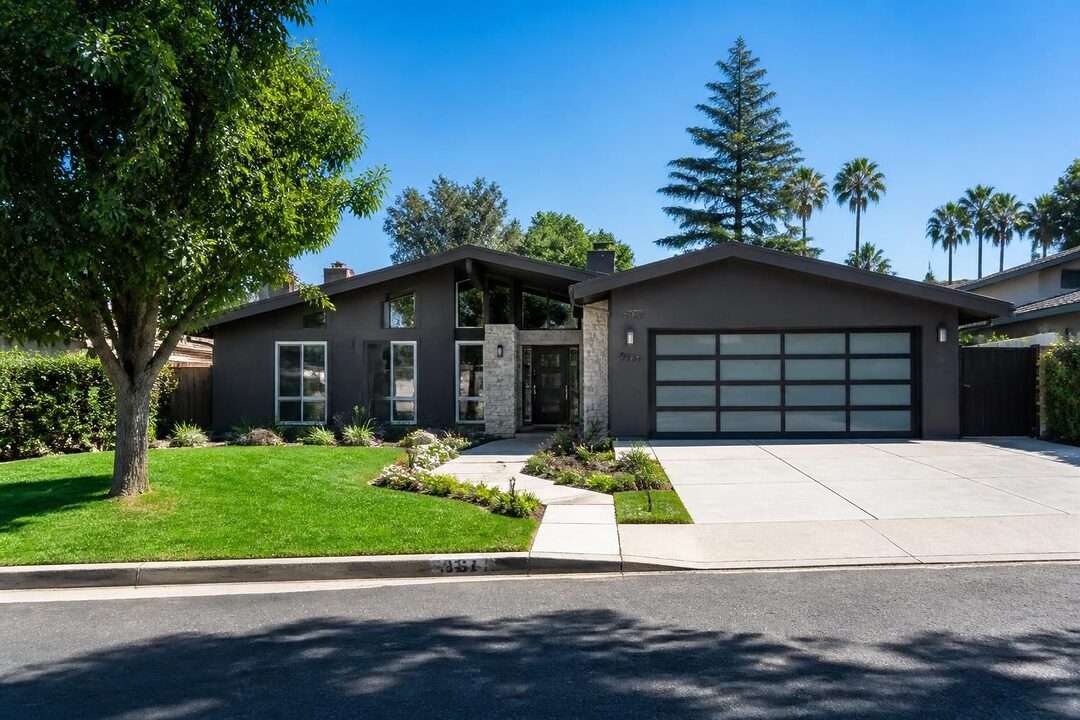
Consider a high-net-worth buyer researching exclusive listings like 9137 Cordell Drive. Their journey involves multiple touchpoints—immersive virtual tours, personalized market analyses, and private events—that together build trust and confidence. Capturing such buyers requires a multi-layered marketing strategy that honors their time and expectations.
Incorporating social media marketing and digital platforms thoughtfully allows agents to maintain visibility without compromising exclusivity. Platforms like Instagram showcase high-end property listings through compelling imagery and cinematic videos, while LinkedIn facilitates professional credibility and networking with wealth managers or legal advisors involved in luxury transactions. Balancing public digital presence with private communication channels creates the nuanced ecosystem necessary for sustaining client relationships in luxury real estate.
Leveraging Advanced Visual Storytelling and Technology in Luxury Property Marketing Strategies
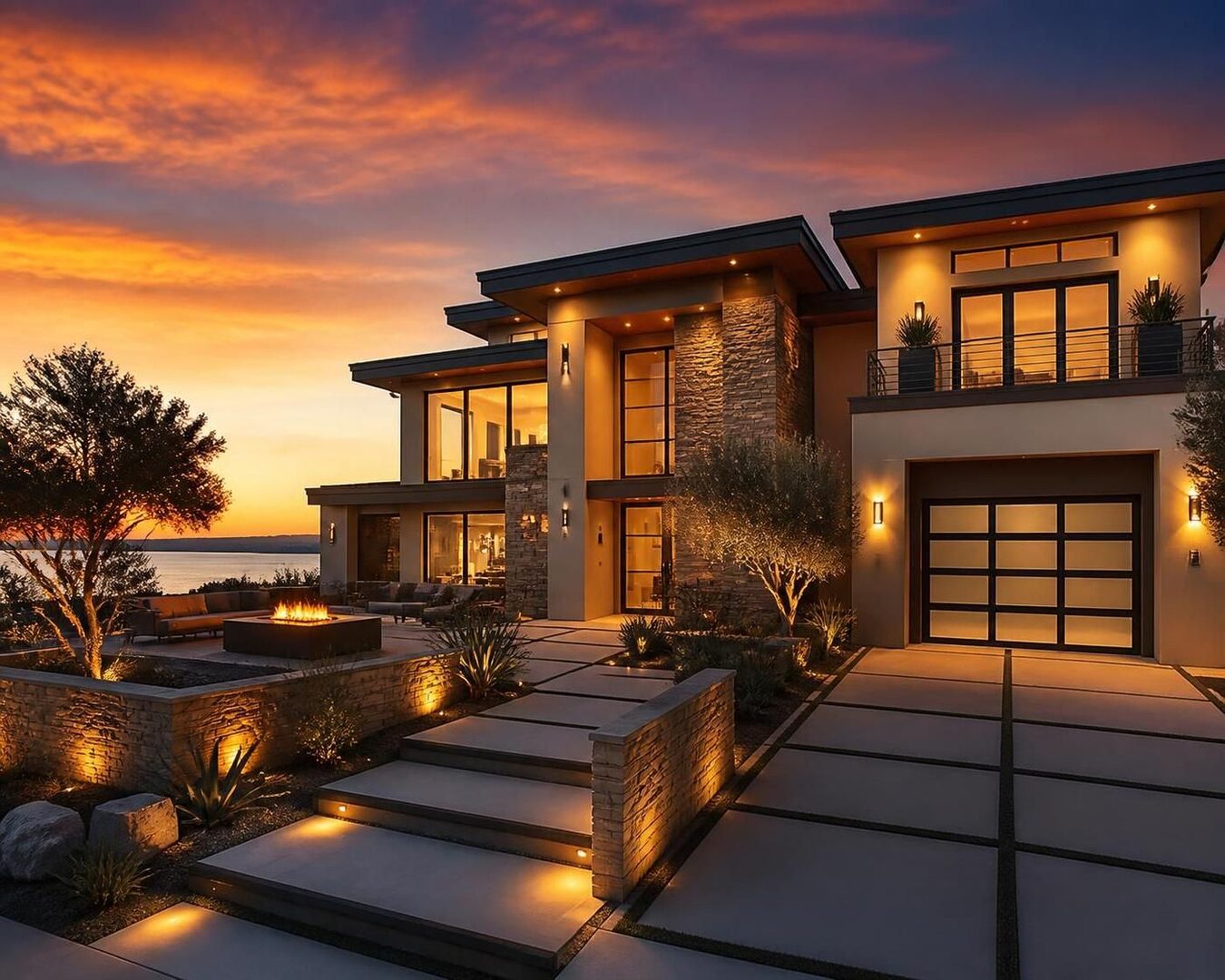
Visual storytelling stands at the forefront of successful luxury real estate marketing. In 2026, buyer expectations for imagery and video extend far beyond traditional photography. High-end property marketing relies on professional, cinematic-quality visuals that narrate the unique story of a home and its lifestyle offering. Whether through drone footage capturing breathtaking views or detailed shots of bespoke finishes, every image must reflect the property’s premium nature.
Investment in professional photography can range between $3,000 and $10,000 or more per listing but offers essential returns by creating immediate buyer interest. Wide-angle shots conveying spaciousness, lifestyle images portraying elegant living scenarios, and seasonal visuals that show the home’s appeal year-round all contribute to a comprehensive visual experience that resonates emotionally with discerning buyers.
Video marketing is equally crucial; beyond simple walkthroughs, cinematic productions bring properties to life with carefully crafted narratives. Videos might include local neighborhood features, interviews with architects or designers, and lifestyle sequences showcasing entertaining or wellness spaces. These elements craft a brand-like narrative around the property, elevating it beyond a standard real estate listing.
Emerging immersive technologies further enrich the marketing toolkit. Matterport 3D virtual tours provide interactive experiences, allowing prospective buyers, including international investors, to explore floorplan details and spatial relationships remotely. Augmented reality (AR) innovations enable clients to visualize potential renovations or furnishings in real time, fostering deeper engagement before physical visits.
Complementing these tools with 360-degree photography ensures that every angle and room is accessible to digital viewers, enhancing transparency and reducing surprises during in-person showings. The integration of these technologies aligns with luxury buyers’ expectations for convenience, detailed information, and immersive preview experiences.
For instance, presenting a high-value home like 4627 Brighton Rd in Corona del Mar with a polished video tour and Matterport walkthrough can significantly accelerate serious buyer interest and lead to quicker, more confident decisions.
Integrating Digital Marketing and SEO Tactics to Attract High-Value Buyers
Digital marketing is indispensable for luxury real estate professionals aiming to reach ultra-wealthy buyers who value both privacy and sophistication. A high-performing digital strategy includes a state-of-the-art website designed to offer seamless navigation, mobile optimization, and rich multimedia that highlight luxury listings elegantly.
A successful luxury real estate website acts as a comprehensive hub with detailed property portfolios, expert agent biographies emphasizing luxury market experience, and insightful blog content addressing real estate trends 2026 and investment strategies. Visitors expect load times under two seconds and intuitive search functions that allow filtering by highly specific criteria such as gated community membership or unique architectural style.
Search engine optimization tailored for luxury real estate marketing requires targeting hyper-specific, long-tail keywords. Instead of competing for volume-driven generic terms, agents optimize for phrases like “luxury oceanfront estates in Malibu” or “modern mansions with smart home technology in Beverly Hills.” These capture the intent of serious buyers and reduce unqualified traffic.
Local SEO should focus on establishing credibility within affluent communities by maintaining consistent NAP (Name, Address, Phone) listings, earning backlinks from respected local luxury lifestyle publications, and showcasing neighborhood amenities that matter to high-net-worth individuals. This complements broader digital marketing initiatives involving paid ads on Google and social media platforms, delivering precision-targeted campaigns.
Social media marketing, especially on Instagram, plays a vital role in building brand presence. The platform supports showcasing high-end property listings with striking visuals, market insights, and lifestyle content that appeals to prospective clients’ aspirations. LinkedIn extends this reach by connecting with professionals and investors, while emerging platforms like TikTok provide a channel to engage younger luxury buyers through short, engaging video content.
Exclusive Events and Relationship-Building as Cornerstones of Luxury Real Estate Branding
In luxury real estate marketing, fostering long-term relationships through exclusive events and community engagement is indispensable. Unlike more transactional residential markets, luxury buyer decisions often span months and involve multiple stakeholders. Personalized outreach and curated experiences create a sense of belonging that underpins trust and encourages investment.
Exclusive property previews, intimate cocktail receptions, and private soirées allow potential buyers to experience homes in an elegant, low-pressure environment. These events offer not only property exposure but also opportunities for networking with like-minded individuals and professionals, enhancing the agent’s brand as a trusted concierge and connector within luxury circles.
Collaborations with complementary professionals—such as interior designers, architects, luxury lifestyle brands, and concierge services—serve to deepen the narrative of exclusivity and lifestyle curated for clients. For example, partnering with a renowned designer for staging or hosting an art gallery opening within a listed home heightens emotional appeal and positions the property within a refined cultural context.
Building community presence through sponsorships of upscale charity galas, golf tournaments, or wine tastings strengthens an agent’s visibility among high-net-worth audiences and fosters goodwill. These strategic alignments also pivot the brand message from simple property sales to lifestyle facilitation, a core expectation in luxury real estate marketing.
Successful branding also includes maintaining an authoritative voice via published market reports, speaking engagements, and media appearances that reinforce expertise and trustworthiness. With such comprehensive positioning, agents create ecosystems where referrals and repeat business naturally flow, sustaining client engagement far beyond individual transactions.
| Marketing Aspect | Standard Real Estate | Luxury Real Estate – 2026 |
|---|---|---|
| Target Audience | General population | Ultra-high-net-worth individuals |
| Decision Timeline | Days to weeks | Weeks to months |
| Decision Drivers | Price and location | Status, exclusivity, lifestyle |
| Marketing Focus | Features and price | Aspiration and experience |
| Photography Budget | $500–$1,500 | $3,000–$10,000+ |
| Video Content | Short clips | Cinematic productions |
| Distribution Channels | MLS, standard websites | Premium portals, exclusive networks |
| Client Communication | Email, phone | Personalized, multi-channel, frequent |
| Relationship Duration | Transactional | Long-term, consultative |
Measuring Impact and Adapting to Dynamic Real Estate Trends in 2026
The complexity of luxury real estate markets requires clear, data-driven methods to evaluate marketing effectiveness and adapt approaches in response to evolving trends. Relevant metrics include lead quality, conversion rates from digital campaigns, average selling prices versus list prices, and client retention rates. Unlike vanity metrics such as social media follower numbers, these indicators provide insight into actual business growth.
Economic factors such as shifting interest rates and inventory levels considerably influence luxury buyer behavior. For example, when financing conditions tighten, marketing may emphasize cash purchasing benefits or the long-term value stability of luxury estates. Conversely, in low-inventory sellers’ markets, highlighting scarcity and exclusivity drives urgency among qualified buyers.
International buyer engagement also increasingly shapes luxury real estate marketing. Multilingual materials, cultural sensitivity in messaging, and collaboration with global real estate networks enable agents to reach cross-border clients effectively. Technologies like virtual events and AI-driven market analytics empower agents to provide timely insights to these geographically dispersed prospects.
Maintaining a balance between traditional print advertising in luxury lifestyle magazines and emergent digital strategies ensures broad and precise market penetration. Highly targeted paid advertising on platforms such as Google, Facebook, and Instagram with advanced audience segmentation improves acquisition efficiency. Moreover, integrating CRM systems and automation tools streamlines investor communication and nurtures client relationships without sacrificing personalization.
Continuous learning and adjustment are imperative; agents who monitor performance dashboards and market signals can optimize investment for maximum returns. This adaptability distinguishes market leaders in a competitive environment increasingly defined by technology and sophisticated client expectations.
What distinguishes luxury real estate marketing in 2026 from traditional property marketing?
Luxury real estate marketing prioritizes exclusivity, personalized experiences, and aspirational storytelling over generic property features, supported by advanced visuals, targeted digital campaigns, and consultative client engagement.
How important is professional photography and video in luxury property marketing?
Professional imagery with cinematic video productions plays a critical role in capturing the essence of luxury properties, engaging buyers emotionally, and driving serious inquiries, justifying significant marketing investment.
What role does AI and immersive technology play in luxury real estate marketing?
AI tools enhance property discovery through precision targeting, while immersive technologies like Matterport tours and augmented reality facilitate detailed, remote property exploration and personalized visualization.
How can social media platforms be leveraged effectively for luxury real estate?
Platforms such as Instagram build brand visibility and showcase listings with high-impact visuals, while LinkedIn supports professional credibility; tailoring content appropriately ensures engagement with affluent audiences.
What metrics should luxury agents focus on to measure marketing effectiveness?
Lead quality, conversion rates, selling price versus list price, transaction volume, and client retention are key indicators, providing actionable insights beyond superficial follower or traffic numbers.

At 33 years old, I specialize as a Licensed Residential Real Estate Advisor and Property Market Analyst. With a deep understanding of market trends and client needs, I provide strategic insights and personalized guidance to help clients make informed real estate decisions.