Real estate encompasses a vast range of property types, each designed to meet different needs and functions within society. Whether considering a suburban home, a bustling retail center, or a large warehouse, understanding the distinctions between residential, commercial, and industrial properties is fundamental for buyers, investors, and market professionals alike. This analysis delves into the unique characteristics, uses, zoning rules, and investment implications associated with these three primary categories of real estate, revealing how each shapes the economic and social fabric of American communities.
Key differences among industrial properties, commercial properties, and residential properties extend beyond their visual and functional elements to include legal considerations, financing options, and market behavior. The growing complexity of the real estate landscape in 2026 makes it more crucial than ever to grasp how these property types intersect with zoning regulations, land use policies, and trends in property investment. This knowledge equips stakeholders to make informed decisions optimized for their specific objectives.
In brief:
- Residential properties focus on human habitation, encompassing single-family homes, condominiums, and multi-family units with emotional and stable market demand.
- Commercial properties serve business activities, including office buildings, retail centers, hotels, and mixed-use developments, often involving more complex financing and tenant leases.
- Industrial properties support manufacturing, logistics, and storage, characterized by large-scale facilities and durability against economic shifts.
- Zoning regulations heavily influence where each property type can be developed or operated, impacting land use and investment potential.
- Each property type presents distinct management demands and risk profiles, affecting the choice of investors or owners.
Defining Residential Properties: Foundations of Human Habitation and Investment
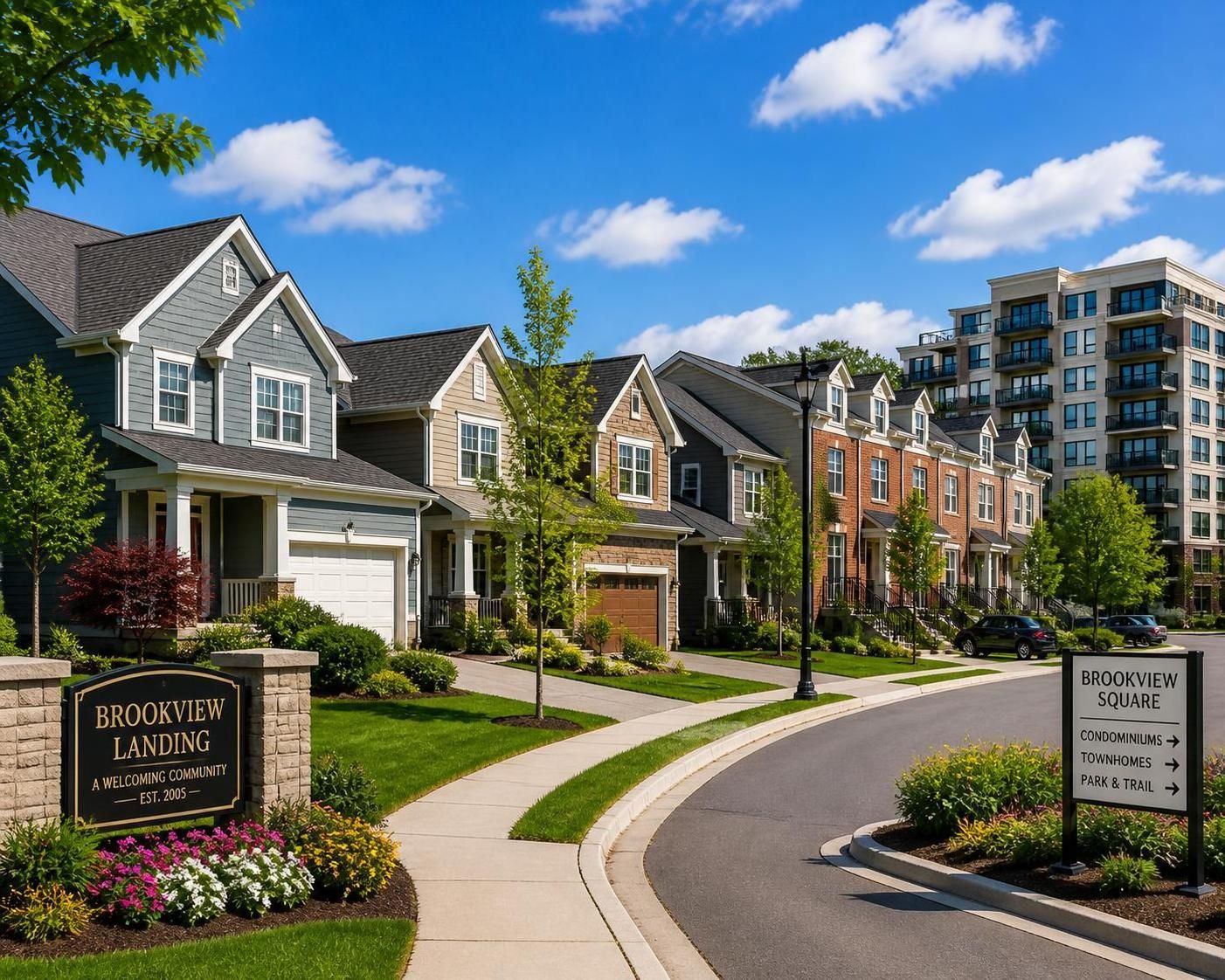
Residential properties make up the bulk of assets in the real estate market, primarily intended for living spaces. These properties range widely in size, design, and ownership structure, generally reflecting the diverse preferences and lifestyles of residents across the United States.
At the core, single-family homes dominate residential real estate, often found in suburban communities offering privacy and space. These homes appeal to families seeking stability and autonomy. Alternatively, multi-family homes such as duplexes and triplexes allow multiple households within a single building, representing an intermediate scale between detached houses and large apartment complexes.
Condominiums and townhouses introduce a shared ownership model, where individuals own private units but share common amenities like gyms, pools, or landscaping. These property forms cater well to urban and suburban residents prioritizing community facilities and lower maintenance responsibilities. Apartment buildings, owned by single entities or companies, typically offer rental units without ownership stakes, addressing the needs of transient populations or those unable to purchase property outright.
In addition to primary living accommodations, vacation homes represent a specialized category within residential real estate. These properties, often located in tourist-friendly areas, serve seasonal use or rental income purposes, making them attractive investment options for buyers seeking diversification.
The appeal of residential properties lies not only in their essential function but also in the emotionally charged connection people maintain with their homes. This emotional factor contributes to steady demand and relatively stable prices, even as broader economic cycles fluctuate. For investors, residential real estate provides opportunities for rental income, long-term appreciation, and tax advantages. However, investors must consider property management obligations, neighborhood dynamics, and local zoning regulations that may affect renovations, expansions, or rental terms.
For example, the prevalence of zoning rules restricting short-term rentals in certain cities has major implications for owners of vacation homes aiming to enter that market segment. New residents might also face neighborhood covenants or homeowners association (HOA) rules that impact property modifications and usage, illustrating how regulatory layers add complexity to residential real estate ownership.
Examining Commercial Properties: Business-Oriented Spaces and Investment Dynamics
Commercial properties embody the business side of real estate, comprising buildings and spaces designed to accommodate economic activities across sectors. These include office buildings, retail outlets, hotels, and multi-functional mixed-use developments where commercial operations coexist with residential elements.
One significant category within commercial real estate is office buildings, which vary in scale and market segment. Classifications range from Class A buildings featuring premium locations, high-quality construction, and modern amenities; to Class B buildings representing solid-performance properties in good areas; and Class C, which are lower-tier buildings often requiring renovations or repositioning.
Retail spaces compose another vital sector, spanning everything from large shopping malls to strip malls, standalone stores, and restaurants. These properties rely heavily on consumer spending trends and the vibrancy of local and regional economies. The integration of brick-and-mortar retail with e-commerce demands ongoing adaptability in commercial property management.
Hotels and hospitality facilities serve transient occupancy needs and must align with tourism patterns, business travel flux, and event hosting capabilities. Meanwhile, mixed-use developments represent a growing trend, blending residential, commercial, and sometimes industrial functions within single projects. Such developments foster vibrant, walkable urban spaces, enhancing appeal to residents and businesses alike.
Commercial property investment typically involves higher entry costs and more sophisticated leasing structures than residential properties. For instance, triple-net leases in commercial agreements require tenants to cover insurance, property taxes, and maintenance, effectively shifting operational responsibilities away from landlords. While this reduces management burdens, it also complicates lease negotiations and demands thorough due diligence.
Additionally, commercial properties are subject to comprehensive local and state zoning regulations that dictate permissible uses, building heights, parking requirements, and signage standards. Understanding these regulations is critical for developers, investors, and business operators alike, as non-compliance can result in costly delays or legal challenges.
From an investment perspective, commercial real estate offers the potential for stable cash flow through long-term leases with established businesses. For example, an office tower leased to multinational corporations is typically less susceptible to frequent tenant turnover than residential rental properties. However, commercial properties may experience greater sensitivity to economic cycles, with vacancies increasing during downturns.
The strategic management of commercial properties often involves professional property management firms skilled at maintaining tenant relationships, coordinating maintenance, and optimizing income streams. Investors should also consider the impact of technological advancements, such as smart building systems and energy efficiency measures, which increasingly influence asset value and operating costs.
Understanding Industrial Properties: Infrastructure for Production and Logistics
Industrial properties play an indispensable role in supporting manufacturing, warehousing, and distribution operations. Though less visible to the everyday public compared to residential or commercial buildings, industrial real estate underpins economic activity, especially as global supply chains and online commerce expand.
Key types of industrial properties include:
- Warehouses and distribution centers: These facilities store and ship goods, often located near transportation hubs such as highways, ports, and rail lines to facilitate efficient logistics.
- Manufacturing plants: Designed for converting raw materials into finished products, these range widely in scale from heavy manufacturing factories to lighter assembly operations.
- Flex spaces: Blending office and industrial usage, these spaces accommodate growing sectors like tech startups or service providers requiring both workspace and storage.
- Cold storage facilities: Specialized warehouses equipped with temperature control systems for perishable goods including food, pharmaceuticals, and other climate-sensitive items.
Industrial real estate offers several advantages, chiefly long-term leases that often extend well beyond typical commercial or residential durations, providing reliable income streams. These properties usually benefit from lower tenant turnover and reduced management intensity, as facilities cater to specialized industrial operations rather than diverse general consumers.
The rise of e-commerce and just-in-time inventory models has significantly heightened demand for industrial properties near urban centers, optimizing last-mile delivery capabilities. This growth trajectory makes industrial real estate increasingly attractive as part of a diversified investment portfolio.
Zoning regulations and land use policies heavily influence the placement and development of industrial properties. These properties tend to be situated away from dense residential areas due to noise, air quality concerns, and heavy vehicle traffic, often within industrial parks designated by municipalities to mitigate social and environmental impacts.
However, regulatory hurdles regarding environmental compliance and infrastructure demands can present challenges. Investors and developers must also consider factors such as ceiling heights, loading dock availability, power supply capacity, and site accessibility when evaluating industrial properties. For a deeper understanding of building considerations, resources like commercial building glass benefits can provide insights into construction elements that optimize industrial facilities.
Comparative Overview of Property Types: Investment and Management Considerations
Each category of property – residential, commercial, and industrial – offers distinct benefits and challenges, shaping investment strategies and management practices. A thorough understanding of these differences is essential for aligning property choices with financial goals and operational capacities.
| Aspect | Residential Properties | Commercial Properties | Industrial Properties |
|---|---|---|---|
| Primary Purpose | Living accommodation | Business activities | Manufacturing, logistics, storage |
| Typical Lease Length | 1 year or less | 3 to 10+ years | 5 to 15+ years |
| Zoning Focus | Residential zones | Commercial zones | Industrial zones |
| Management Intensity | Moderate to High (tenant relations, upkeep) | High (maintenance, tenant management) | Moderate (often specialized) |
| Typical Investor Profile | Individual homeowners, landlords | Institutional investors, businesses | Long-term investors, logistics companies |
| Key Risks | Market fluctuations, maintenance costs | Economic downturns, tenant vacancies | Regulatory compliance, industrial market shifts |
Effective property management practices and understanding of local zoning regulations can greatly influence the profitability and sustainability of any real estate investment. Balancing operational costs, tenant expectations, and maintenance requirements while adapting to regulatory frameworks distinguishes successful property owners and investors in all real estate sectors.
Land Use and Zoning Regulations: Governing Real Estate Development and Investment
Comprehending the role of zoning regulations and land use policies is critical to navigating the distinctions among industrial, commercial, and residential properties. These local government tools establish permissible activities, building standards, and spatial separation to ensure orderly growth and public welfare.
Zoning ordinances specify designated districts such as residential, commercial, industrial, agricultural, or mixed-use zones. Each zone limits the type of structures and operations allowed, enforcing standards on building heights, density, setbacks, parking spaces, and environmental protection.
For instance, residential zones typically restrict non-residential uses to protect neighborhood character and ensure safety. Conversely, commercial zoning encourages business activities but imposes requirements like signage control and traffic management. Industrial zones are often sited strategically to minimize conflicts with communities, addressing concerns over noise, emissions, and heavy traffic.
Understanding these distinctions helps investors and developers identify appropriate locations, avoid costly legal issues, and leverage potential incentives. Some cities offer re-zoning opportunities or special permits to allow mixed uses or redevelopment projects, which can enhance property value and versatility.
Legal frameworks can be complex and vary by municipality; consulting professionals familiar with local regulations ensures compliance and strategic advantage. Resources outlining efficient space management strategies, such as stored house benefits, can support effective land use planning within zoning constraints.
Overall, appreciating how land use shapes development potential is fundamental to successful real estate decisions, whether acquiring industrial warehouses, commercial storefronts, or residential dwellings.
What distinguishes industrial properties from commercial properties?
Industrial properties primarily support manufacturing, warehousing, and logistics, usually with long-term leases and specialized infrastructure, while commercial properties serve business activities such as offices, retail, and hospitality with a greater diversity of tenant types and leasing terms.
Why does zoning regulation matter in real estate?
Zoning regulations determine where certain types of properties can be built or operated, influencing land use patterns, property values, and investment feasibility by setting rules on uses, building size, and environmental standards.
How does property management differ among property types?
Residential property management involves more tenant interaction and routine maintenance, commercial property management often requires complex lease administration and building services, while industrial property management centers on facility upkeep and operational support with fewer tenant turnovers.
What are key risks common to investing in commercial properties?
Investors face risks such as economic downturns impacting tenant solvency, vacancies during market slowdowns, and regulatory compliance costs related to building codes and zoning.
Can a property combine residential, commercial, and industrial uses?
Yes, mixed-use developments integrate residential and commercial spaces regularly and occasionally include light industrial components, though such projects require careful zoning approvals and design to balance differing uses harmoniously.

At 33 years old, I specialize as a Licensed Residential Real Estate Advisor and Property Market Analyst. With a deep understanding of market trends and client needs, I provide strategic insights and personalized guidance to help clients make informed real estate decisions.