
Across homes and antique shops alike, the presence of a worn dresser might seem like just another piece of furniture—until its distinct style catches the eye. Understanding dresser styles goes beyond mere aesthetics; it offers insight into the era, craftsmanship, and potential value of these functional art pieces. In today’s design landscape, antique dressers not only serve as storage but also elevate home decor with their unique style characteristics and wood finishes. Identifying these dresser styles with ease provides homeowners, collectors, and real estate enthusiasts a clear advantage in appreciating, preserving, or investing in furniture rooted in historical significance. This specialized knowledge bridges the gap between furniture appreciation and practical application in modern residential spaces, revealing the narratives embedded within the grain and structure of each dresser.
The realm of furniture identification encompasses subtle clues—drawer types, drawer pulls, carvings, and overall design motifs that reveal the origins of a dresser. Whether you’re navigating real estate staging options or enhancing a home’s character, knowing how to distinguish between antique and modern dressers is essential. With a keen eye, one can differentiate a Queen Anne from a Mid-Century Modern dresser, or discern the intricate wood inlays of a Hepplewhite piece versus the geometric flair of Art Deco. Such mastery supports smart decisions regarding restoration, resale, or integration into contemporary settings. By embracing the visual vocabulary of furniture design, homeowners and investors alike can transform ordinary spaces into showcases of history and style.
In the following sections, an authoritative guide unfolds—with detailed descriptions, practical tips, and illustrative examples—to empower anyone aiming to identify classic dresser styles swiftly and accurately. The distinctive features that set apart periods and designers will be demystified, supported by clear evaluation methods and hands-on identifying techniques. Understanding these styles in 2026 also reflects on how historical appreciation coexists with evolving trends, helping homeowners and professionals make well-informed choices respecting craftsmanship and authenticity.
Key Features to Recognize Classic Dresser Styles in Furniture Identification
Accurately identifying dresser styles requires a comprehensive understanding of the elements that define various eras and design philosophies. Key differentiators include:
- Wood finishes and paneling: Different periods favored specific types of wood and finishing techniques. For example, walnut and mahogany tend to denote Victorian and Edwardian dressers, whereas birch and maple are more typical in earlier or simpler designs.
- Drawer types and joinery: The presence of hand-cut dovetails versus machine-cut dovetails can indicate whether a dresser was crafted before or after the Industrial Revolution. Solid wood drawer bottoms are typically antique, while plywood suggests a more modern piece.
- Hardware and drawer pulls: Style, material, and attachment method of handles and locks provide strong clues. Antique pieces often feature brass or porcelain hardware with intricate, nature-themed designs, while modern dressers lean toward sleek, minimalistic pulls.
- Leg shape and construction: Cabriole legs with pad or ball feet often signify Queen Anne or Rococo styles, while tapered or splayed legs might point to Mid-Century Modern influences.
- Overall form and silhouette: Rectangular, cuboidal shapes with minimal ornamentation often belong to Empire or Arts and Crafts styles, whereas highly ornate, curved fronts suggest Victorian or Rococo origins.
These discerning style characteristics—when considered collectively—can provide a reliable roadmap in distinguishing one dresser from another. For example, a dresser with thin, curved front boards, fluted legs, and oval handles likely belongs to the Hepplewhite family of designs, favored during the late 18th and early 19th centuries. Conversely, an Art Deco dresser may exhibit lacquered wood finishes, machine-cut joinery, and elegant geometric hardware embedding an aura of early 20th-century glamour.
Here’s a quick overview of distinguishing dresser styles based on key style traits:
| Dresser Style | Wood and Finish | Drawer Construction | Hardware | Notable Features |
|---|---|---|---|---|
| William & Mary | Oak or Pine with aged veneers | Hand-cut dovetail joints, chiseled drawer tracks | Tear drop brass handles, round locks | Curved spindles, rectangular with arched bottoms |
| Hepplewhite | Birch, rosewood; stained or painted finishes | Dovetail joints with thin adhesives | Oval or squarish handles, floral locks | Fluted legs, curved or bulging fronts |
| Art Deco | Lemon, ebony, zebra wood, lacquer finishes | Machine-cut, screwed joints | Brass, Bakelite, or rounded hardware | Rounded edges, geometric forms, bright colors |
| Victorian | Walnut, Mahogany with dark glossy surfaces | Hand-cut or early machine-cut dovetails | Tear-drop or wavy hardware, oval locks | Carved floral motifs, tall with mirrors |
Understanding these structural and aesthetic markers is foundational in furniture identification. Collectors and homeowners can better assess the provenance of pieces in estate sales or second-hand markets through these specifications. As illustrated, details such as drawer joinery or leg design carry historical and stylistic weight that profoundly influence the piece’s value and fittingness in home decor.
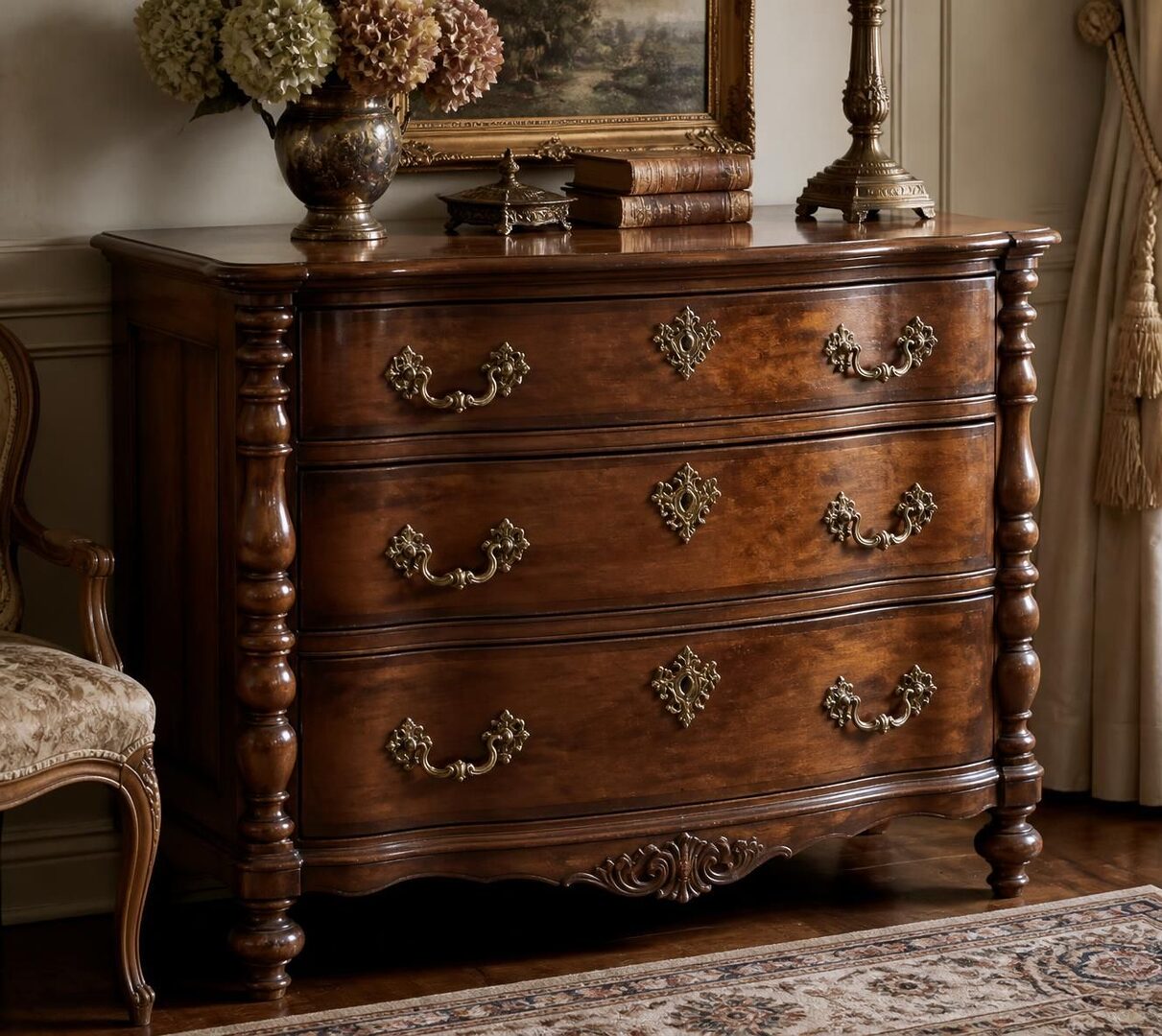
Recognizing Antique and Vintage Dresser Styles for Authenticating Collectibles
Distinguishing antique dressers from vintage or modern reproductions hinges on examining construction, wear patterns, and stylistic authenticity. Antique furniture—typically pieces over a century old—carries craftsmanship details unlikely to appear in newer products. Reliable indicators include hand-cut dovetail joints, subtle tool marks on drawer surfaces, and small imperfections inherent to handmade work.
Historically, styles such as the William & Mary or Sheraton dressers emerged during specific cultural moments, reflecting colonial and early industrial design sensibilities. These pieces often utilize local hardwoods like pine or oak, showcasing dovetail techniques executed without screws or modern adhesives. The aged patina on hardware and wood can subtly communicate decades of use, while maker’s marks embedded discreetly on drawer tracks or backsides serve as another authentication tool.
For instance, Sheraton dressers—prevalent around 1700 to 1820—are characterized by:
- Five to six drawers of irregular heights and widths
- Low-relief carvings and painted floral ribbons
- Raised cuboidal shapes with curved front panels
- Slim, fluted legs with round bases
The artistry of these dressers offers a snapshot into the evolving tastes of British and European markets and their American adaptations. While Victorian dressers embraced heavier, more ornate appeal with richer mahogany and walnut finishes, Edwardian pieces blended old traditions with emerging classical motifs. This is reflected in symmetrical drawer layouts, golden pull handles, and geometric inlays.
Identifying these nuanced style elements assists in determining authenticity and probable value. For collectors aiming for accuracy, referencing authoritative guides on antique dressers, such as furniture identification resources, provides essential comparative benchmarks. Detailed observation of drawer type, wood grain, and joinery unlocks the dresser’s story, helping to avoid mistaken attributions or overpriced purchases.
Modern Dresser Styles: Trends Influenced by Mid-Century and Art Deco Movement
The early to mid-20th century witnessed a tectonic shift in furniture design, where minimalism and function became paramount. Modern dressers—often drawing from Art Deco and Mid-Century Modern influences—showcase sleek lines, practical hardware, and innovative materials that reflect the cultural and technological advancements of their time.
Art Deco dressers typically exhibit strong geometric shapes, high contrast veneers, and lacquered finishes adding a glamorous, almost architectural feel. The materials frequently combine exotic woods like zebra or ebony with chrome or Bakelite hardware. Their drawer pulls are streamlined, sometimes evoking machine-age aesthetics, contrasting starkly against the ornate carvings of previous eras. In contemporary home decor, their bold style offers a unique blend of elegance and practicality, frequently utilized in living rooms and bedrooms looking to feature statement pieces.
Meanwhile, Mid-Century Modern dressers—popularized in the 1940s through 1960s—focus on simplicity and functionality. Characteristic features include:
- Clean, flat surfaces with minimal or integrated handles
- Tapered or splayed legs, often made from teak or walnut
- Light to medium wood finishes avoiding heavy varnishes
- Consistent grain pattern veneers
This style fits seamlessly into modern interiors with their practical storage solutions and timeless elegance. Buyers today can leverage knowledge about these designs to spot authentic pieces versus reproductions and ensure proper valuation and preservation. In real estate staging contexts, integrating such dressers adds both functional storage and a dash of mid-century sophistication that appeals to a wide demographic.
Practical Tips for Evaluating and Restoring Dressers in Home Decor Settings
When considering a dresser for restoration or resale, an informed approach maximizes both aesthetic outcome and financial return. First, thorough documentation of each dresser’s features aids in establishing provenance and style classification. Photographing joinery, hardware, drawer interiors, and wood grain provides reference material valuable for appraisal or restoration advice.
Some practical steps include:
- Check for maker’s marks or dates: Found mostly on drawer tracks or backsides, these marks confirm origin and authenticity.
- Assess joinery method: Hand-cut dovetails are prized for their craftsmanship and indicate an older piece.
- Evaluate hardware condition: Maintaining original brass or glass handles is ideal for preserving value; replacements should be documented and stored.
- Examine wood finishes: Avoid stripping finishes without expert advice, as original patina often enhances value and character.
- Identify structural issues: Loose veneers, missing hardware, or insect damage should be addressed with conservative repairs prioritizing preservation over replacement.
Incorporating these dressers into home decor requires balancing the vintage allure with functional needs. For example, subtle reglazing of an Art Deco dresser using Japanese lacquer techniques accentuates its gloss without compromising the original finish. Victorian dressers benefit from gentle cleaning with mild wood cleaners and careful oiling of carvings to enhance depth and protect delicate surfaces.
Ultimately, understanding furniture design and construction empowers homeowners and real estate professionals alike to make sound choices. Restored antique dressers complement traditional settings, while Mid-Century Modern pieces provide a bridge to contemporary aesthetics. Each style has unique requirements and advantages that, when respected, significantly contribute to a home’s visual appeal and marketability.
Common Questions in Dresser Styles and Furniture Identification
How do I identify the wood type used in my dresser?
Identifying wood types involves examining grain patterns and color. Light woods like pine and oak exhibit straight grains, while mahogany and walnut have flowing, curvy grains. Tools such as smartphone applications like Xylorix can help in providing more precise identification.
Where is the best place to find authentic antique dressers?
Authentic antique dressers are commonly found through local antique shops, estate sales, and auctions. Online marketplaces such as eBay, Etsy, and specialized portals like 1stdibs also present valuable options for sourcing vintage furniture.
What are key features that differentiate antique dressers from reproductions?
Antique dressers usually have irregular hand-cut dovetails, solid wood drawer bottoms, tool marks from hand planing, and aged patina on hardware. Reproductions often display uniform machine-cut dovetails, plywood bottoms, and modern screws or staples.
Can I safely restore an antique dresser without losing value?
Restoring an antique dresser carefully—preserving original finishes and hardware—maintains and can even enhance value. Aggressive refinishing or replacing original parts may reduce the piece’s worth, so it’s advisable to consult experts before undertaking significant restoration.
How can understanding dresser styles benefit home sellers and buyers?
Recognizing dresser styles enables sellers to highlight unique features that may increase home appeal and value. For buyers, this knowledge aids in making informed purchases that complement their home’s decor and investment goals.
Furniture identification, particularly with antique dressers, intersects elegantly with the disciplines of real estate and home decor in 2026’s market. Approaching each piece with attention to style characteristics, wood finishes, and drawer construction creates an objective foundation for valuing and selecting furniture that harmonizes with its environment. For those cultivating refined tastes or navigating complex markets, mastering dresser style identification is a skill that continues to pay dividends.

At 33 years old, I specialize as a Licensed Residential Real Estate Advisor and Property Market Analyst. With a deep understanding of market trends and client needs, I provide strategic insights and personalized guidance to help clients make informed real estate decisions.