Commercial building glass plays a pivotal role in shaping the contemporary architectural landscape, blending aesthetic appeal with functional superiority. From towering office complexes to vibrant retail centers, the strategic use of glass influences not only the visual impression but also the environmental performance and occupant well-being of commercial properties. Far beyond simple transparent panels, modern commercial glazing integrates advanced technologies that optimize natural light, regulate thermal insulation, and enhance security. Its applications now span diverse areas of commercial real estate, responding to evolving building codes, sustainability goals, and design trends. Understanding the nuances of commercial building glass and harnessing its benefits can transform how businesses approach property development and management.
In commercial construction, glass serves multiple critical functions. Beyond allowing natural light to flood interior spaces—thereby reducing dependence on artificial lighting—specialized glazing systems contribute significantly to energy efficiency by controlling solar gain and improving insulation. Moreover, innovations like solar control coatings and UV protection enhance comfort while protecting interiors and occupants from harmful radiation. Durability and safety standards underscore the reliability of this building material, especially under rigorous regulatory frameworks for commercial properties. Together, these attributes shape the multifaceted advantages that commercial building glass offers for owners, occupants, and architects alike.
Exploring the Varieties of Commercial Building Glass and Their Specific Applications
The commercial glass market comprises a range of specialized materials designed to fulfill distinct roles in building performance. At its core, float glass serves as the baseline material, often transformed through processes to create products tailored to commercial needs. The most prevalent varieties include toughened glass, laminated glass, insulated glass units (IGUs), solar control glass, acoustic glass, and emerging technologies like Vacuum Insulated Glazing (VIG).
Toughened glass is heat-treated to increase its strength, shattering into blunt fragments if broken—minimizing injury risk in busy commercial areas such as shopping malls or office entrances. Laminated glass combines multiple layers with interlayers, offering enhanced security by holding together upon impact. This makes it ideal for settings requiring intrusion protection or separation zones within office environments.
IGUs, often double and triple-glazed, enhance thermal insulation drastically. They reduce heat transfer through the building envelope, which is essential in managing operational costs and meeting stringent energy codes. Solar control glass further improves comfort by limiting glare and controlling solar heat gain without sacrificing natural light, critical in urban office buildings surrounded by reflective surfaces or direct sunlight.
Acoustic glass addresses the challenge of noise pollution—a notable concern in dense metropolitan centers. By dampening external sounds, it promotes a quieter, more productive indoor environment, essential for workplaces and educational facilities.
A particularly innovative option, Vacuum Insulated Glazing, provides comparable insulation performance to triple glazing but with significantly thinner and lighter units. This is especially advantageous for retrofitting older commercial buildings where frame depth or weight-bearing capacity may constrain traditional glazing upgrades.
- Toughened glass: High-strength, safety-focused for entrances and facades
- Laminated glass: Enhanced security, used in partitions and storefronts
- IGUs: Double or triple layers for optimal thermal insulation
- Solar control glass: Minimizes glare and regulates solar heat gain
- Acoustic glass: Reduces external noise for occupant comfort
- Vacuum Insulated Glazing (VIG): Ultra-thin and lightweight, ideal for retrofits
Integrating the right type of glass depends heavily on the building’s location, purpose, and architectural intent. For example, a hospital prioritizes laminated and toughened glass for safety and hygiene, while an office tower might emphasize solar control and acoustic properties to enhance comfort and energy use. Retail spaces benefit from clear, laminated glass to maximize visibility and security simultaneously. Choosing the appropriate glazing solution ultimately supports the overall performance, longevity, and marketability of commercial properties.
Commercial building glass remains a decisive feature in modern property development, significantly impacting energy efficiency and occupant experience.
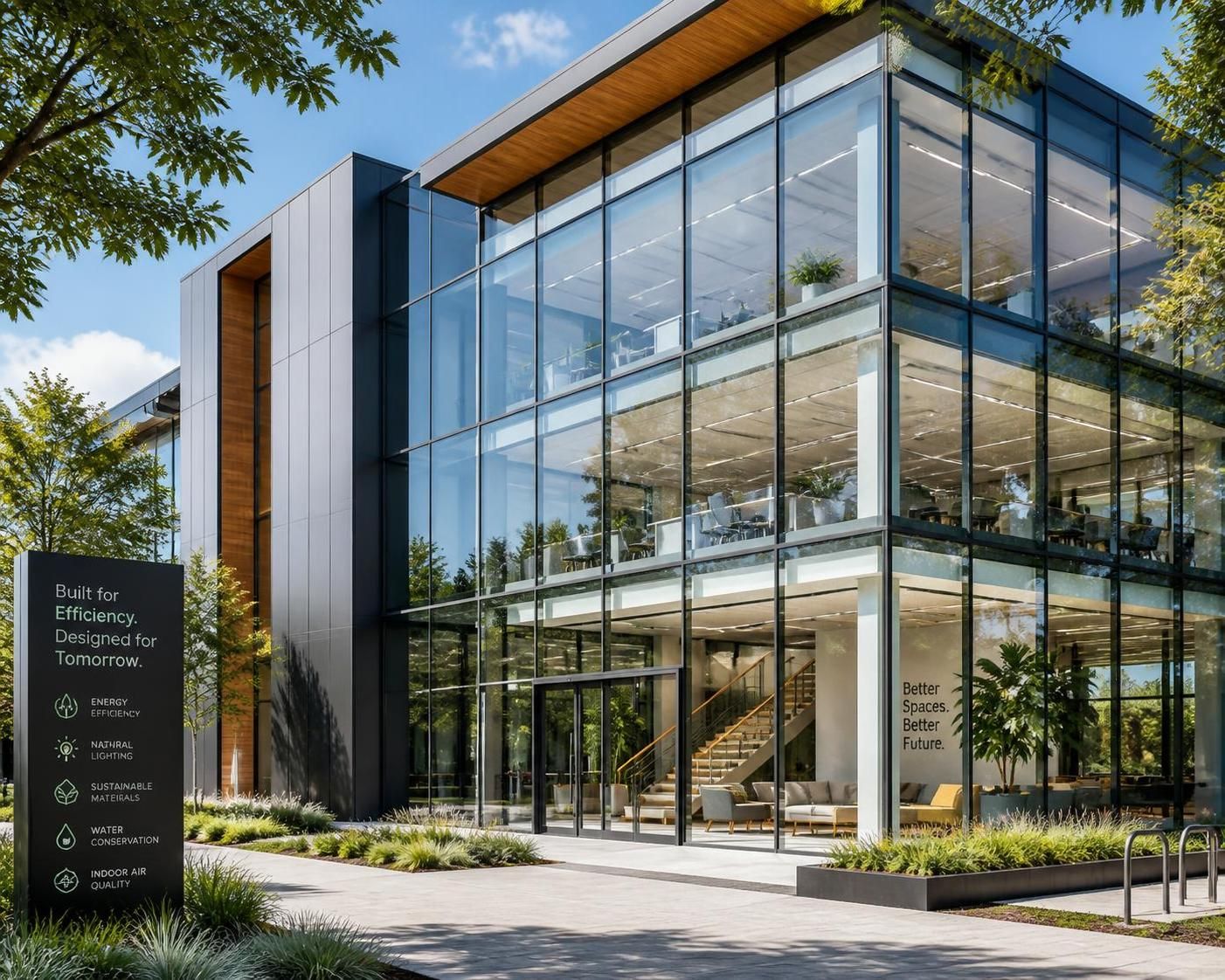
How Commercial Building Glass Improves Energy Efficiency and Thermal Performance
Energy efficiency is a paramount concern in commercial real estate, heavily influenced by glazing choices. Glass façades and windows contribute significantly to a building’s thermal dynamics, affecting heating and cooling loads and thus operational costs. Advanced glazing technologies operate to reduce unwanted heat loss in winter while limiting excess heat gain in summer, directly impacting energy consumption.
Low-emissivity (low-e) coatings exemplify this approach by reflecting infrared heat back inside during colder months and blocking solar infrared radiation in warmer seasons, all while preserving high visible light transmittance. These coatings help maintain comfortable indoor temperatures and reduce reliance on HVAC systems, aligning with sustainability guidelines and corporate energy mandates.
Smart or dynamic glazing technologies have further revolutionized the field. Electrochromic glass, for example, can adjust its tint electronically in response to solar conditions or user input. This innovation allows natural light to enter while modulating glare and solar heat gain dynamically, offering both energy savings and enhanced occupant comfort. Buildings equipped with such technologies often experience reduced air-conditioning demands and improved lighting quality, key factors in reducing carbon footprints.
When paired with properly designed framing and sealing systems, high-performance glass contributes to meeting certification requirements such as LEED or WELL. In addition, increasing attention to embodied carbon in construction practices inspires the use of recycled glass and low-energy manufacturing techniques. This alignment with circular economy principles helps commercial buildings achieve sustainability targets beyond operational energy use, addressing the full lifecycle impact.
Examples of how these benefits materialize include office buildings in cities with variable climates, where smart glass adapts to shifting weather patterns throughout the day without manual intervention. Similarly, retail centers employing solar control glass maintain comfortable indoor environments despite extensive storefront glazing, avoiding costly temperature fluctuations caused by direct sunlight.
Key Aspects of Energy-Efficient Commercial Glass
| Feature | Benefit | Common Application |
|---|---|---|
| Low-Emissivity Coating | Improves insulation and reduces heat loss/gain | Office buildings, educational facilities |
| Solar Control Glass | Controls glare and solar heat, protects interiors | Retail stores, urban commercial façades |
| Electrochromic Glass | Dynamic tinting reduces HVAC load and glare | Corporate headquarters, conference venues |
| Vacuum Insulated Glazing | Superior thermal insulation with slim profile | Retrofitting older commercial buildings |
Meeting Safety, Durability, and Regulatory Standards With Commercial Glazing
Safety and durability are foundational considerations for commercial building glass, shaped by stringent building regulations and standards. Unlike residential glazing, commercial applications face tougher compliance criteria concerning impact resistance, fire safety, accessibility, and structural integrity.
Building codes, including international and local standards, dictate the use of safety glass such as toughened or laminated varieties in critical zones. These typically include glazing near entrances, glass partitions in public access areas, and low-level panes exposed to potential impact. Laminated fire-resistant glass solutions may also be mandated in fire-rated walls and corridors, designed to contain heat and smoke transfer for increased occupant safety.
Durability extends beyond impact resistance. Over time, factors such as weather, UV exposure, and mechanical wear affect seals, frames, and mounting systems. Long-term performance requires selecting materials and installation methods that withstand these challenges while facilitating maintenance.
Accessibility regulations influence glazing design as well, requiring markings on transparent glass doors and partitions to alert visually impaired occupants. This mitigates risks associated with walk-through incidents and ensures compliance with the Americans with Disabilities Act (ADA).
Structurally, curtain wall systems and large glass panels must accommodate wind loads without compromising stability, often involving specialized framing and sealants. Advances in structural glazing have introduced silicone sealants that allow seamless glass facades without bulky metal fixings, improving both aesthetics and strength.
Considering the commercial building environment, these safety and durability features ensure that glazing performs reliably under heavy foot traffic and fluctuating environmental conditions. For property managers, understanding these requirements aids in planning for inspections, preventative maintenance, and timely replacement to avoid operational disruption.
Choosing the appropriate type and installation method of glass also helps property owners maintain insurance compliance and risk mitigation, which are critical for leasing and investment decisions.
Compliance Checklist for Commercial Glazing Safety
- Use of safety glass in entrance and impact-prone areas
- Fire-resistant glazing in compartmentalized zones
- Visibility markings on transparent glass for accessibility
- Structural frames designed for wind loads and building movement
- Regular inspections for seal and frame integrity
Varied Applications of Commercial Glass Beyond Windows
The utility of commercial building glass extends well beyond conventional window panes. Modern architecture leverages glass in diverse systems, including curtain walling, shopfronts, internal partitions, and roof glazing.
Curtain wall systems represent a hallmark of modern skyscrapers and commercial complexes. These non-load-bearing glass exteriors create continuous transparent façades that manage environmental forces such as wind and rain. They often incorporate structural glazing techniques that minimize visible support elements, achieving sleek exterior appearances.
Shopfront glazing plays a crucial role in retail environments by offering visibility for merchandise while ensuring security. Laminated glass is often preferred here due to its safety benefits, allowing storefronts to be both inviting and resilient against break-ins.
Inside commercial buildings, internal glazing partitions facilitate light transmission across workspace zones while providing acoustic separation. This supports open-plan designs that maintain privacy without sacrificing daylight. Offices, hospitals, and educational institutions benefit from this use as it aligns with health-focused biophilic design principles.
Roof glazing includes skylights and glazed atriums that channel natural light deep into the building’s core. These features reduce the need for artificial lighting, creating vibrant interior environments that promote occupant wellbeing and productivity.
Ultimately, this multipurpose use of glass in commercial buildings creates versatile, light-filled environments that optimize operational efficiency and enhance aesthetic appeal.
Applications Overview
| Application | Description | Main Benefits |
|---|---|---|
| Curtain Walling | Non-load-bearing glass façades with structural glazing | Seamless aesthetics, weather resistance |
| Shopfront Glazing | Security and visibility for retail stores | Enhanced security, customer attraction |
| Internal Partitions | Glass walls and dividers in office interiors | Light transmission, acoustic privacy |
| Roof Glazing | Skylights and atriums for daylighting | Natural light, energy savings |
Choosing the right application depends on functional needs, design goals, and budget. For example, a technology firm might prioritize internal glazing to foster collaboration and transparency, while a retail center leans toward durable shopfront glass. Adapting to these needs guarantees that commercial glazing contributes holistically to building success.
Ensuring Durability and Minimizing Maintenance Challenges in Commercial Glass Installations
Maintaining the integrity and appearance of commercial building glass is essential to preserve long-term benefits. While glass itself is inherently durable, components such as seals, frames, and mounting hardware must endure varied environmental conditions without significant degradation.
Routine inspections aimed at identifying seal failures or water ingress can prevent costly damage to façade systems. A notable concern in toughened glass is spontaneous breakage caused by minute nickel sulphide inclusions formed during manufacturing. Risk assessments allow timely intervention by applying safety films or selectively replacing panels before failure.
In terms of cleaning, buildings with extensive glazed surfaces require well-planned regimes that consider accessibility, pollution exposure, and weather patterns. To reduce maintenance burdens, self-cleaning glass coatings utilize UV light and rainwater to naturally break down and wash away dirt, a particularly valuable feature on high rises where manual cleaning is complex and expensive.
Effective maintenance not only sustains the material’s durability but also preserves the building’s aesthetic appeal, which is crucial for tenant satisfaction and property value retention. Facility managers must balance operational budgets with preventive maintenance, understanding that early attention to glazing systems extends their service life and protects investment.
For further information on maximizing commercial property’s value through architectural choices, including glazing, explore increasing trends in the real estate market such as the appeal of spacious properties that integrate modern materials strategically.
What types of glass are safest for commercial buildings?
Toughened and laminated glass are typically the safest options due to their strength and ability to hold together when broken, reducing injury risk and enhancing security.
How does commercial glazing improve energy efficiency?
Commercial glazing reduces heat loss and solar gain via low-e coatings, insulated glass units, and dynamic tinting technologies, lowering heating and cooling costs and supporting sustainability goals.
Are there maintenance considerations unique to commercial glass façades?
Yes, seals and frames can degrade over time, and toughened glass may experience spontaneous breakage; self-cleaning coatings can minimize cleaning needs especially on high-rise buildings.
Can commercial glass help reduce noise pollution?
Acoustic glass is designed to minimize exterior noise intrusion, promoting a more comfortable, quiet interior environment conducive to productivity and wellbeing.
What are the main regulatory requirements for commercial glass?
Commercial glass must comply with safety, fire resistance, and accessibility standards, including the use of safety glass in impact-prone areas and visibility markings for transparent doors and partitions.

At 33 years old, I specialize as a Licensed Residential Real Estate Advisor and Property Market Analyst. With a deep understanding of market trends and client needs, I provide strategic insights and personalized guidance to help clients make informed real estate decisions.