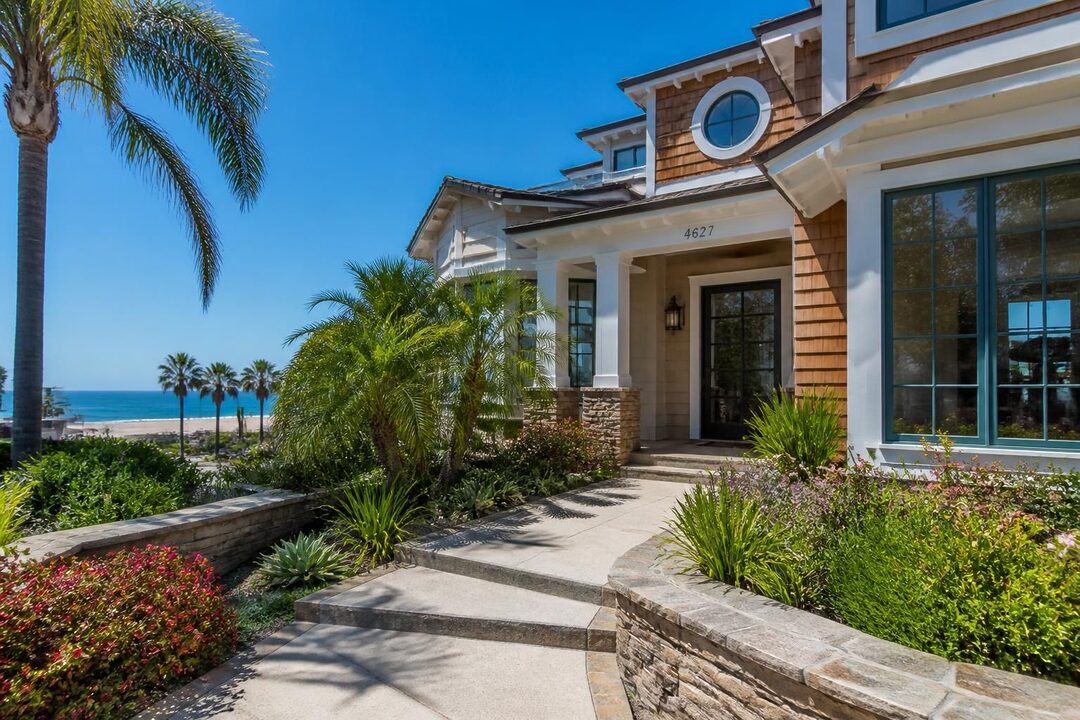
A duplex can combine the independence of a house with the practical advantages of having two homes in one building. For an owner-occupant, the second unit may provide rental income or room for relatives; for an investor, two dwellings on one property can offer a different way to approach rental ownership. The arrangement is not automatically more affordable or easier to manage, however. Shared walls, maintenance obligations, tenant needs, financing terms, and local rules all affect whether duplex living suits a particular household.
The details matter. A duplex may be arranged side by side or on separate floors, and features such as separate entrances, private outdoor space, sound insulation, and utility meters influence daily comfort as well as future use. Understanding these benefits and trade-offs helps buyers assess a property on its actual condition and costs—not simply on the promise of a second unit.
In brief:
- A duplex contains two separate living units within one building, often with their own kitchens and entrances.
- Living in one unit and renting the other may help offset housing expenses, but rent is not guaranteed and ownership brings landlord responsibilities.
- Duplexes can support multigenerational family living while preserving a measure of independence.
- Shared walls and common areas require attention to privacy, noise, maintenance, and neighbor expectations.
- Financing, zoning, insurance, taxes, and rental rules depend on the property and location, so buyers should verify details with relevant professionals and public agencies.
What Living in a Duplex House Means for Space and Daily Comfort
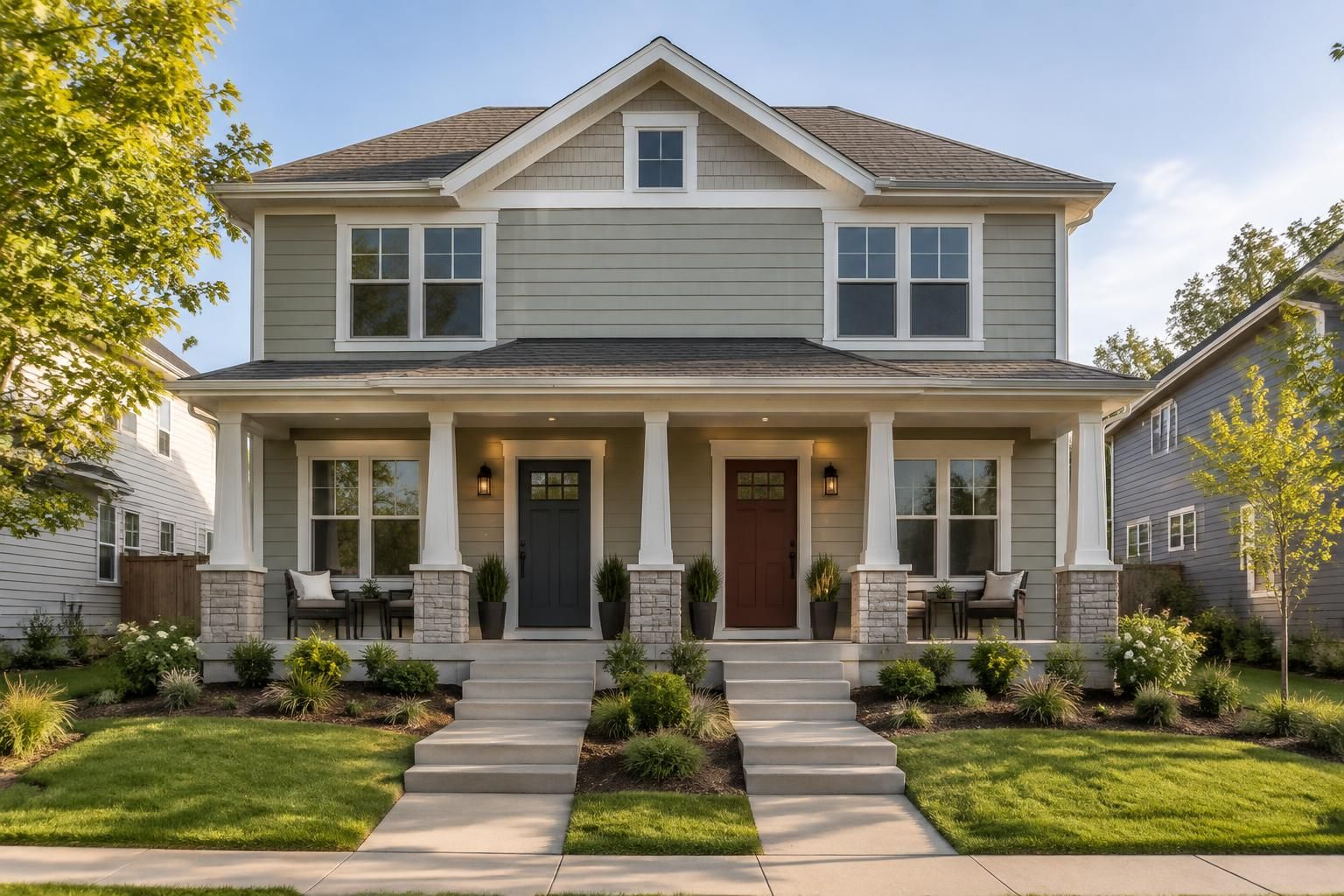
A duplex is a residential building divided into two distinct living units. Depending on its design, the homes may sit side by side, with a shared wall between them, or one above the other. Each unit commonly has its own entrance, kitchen, bathroom, and living area, although the exact features differ from property to property.
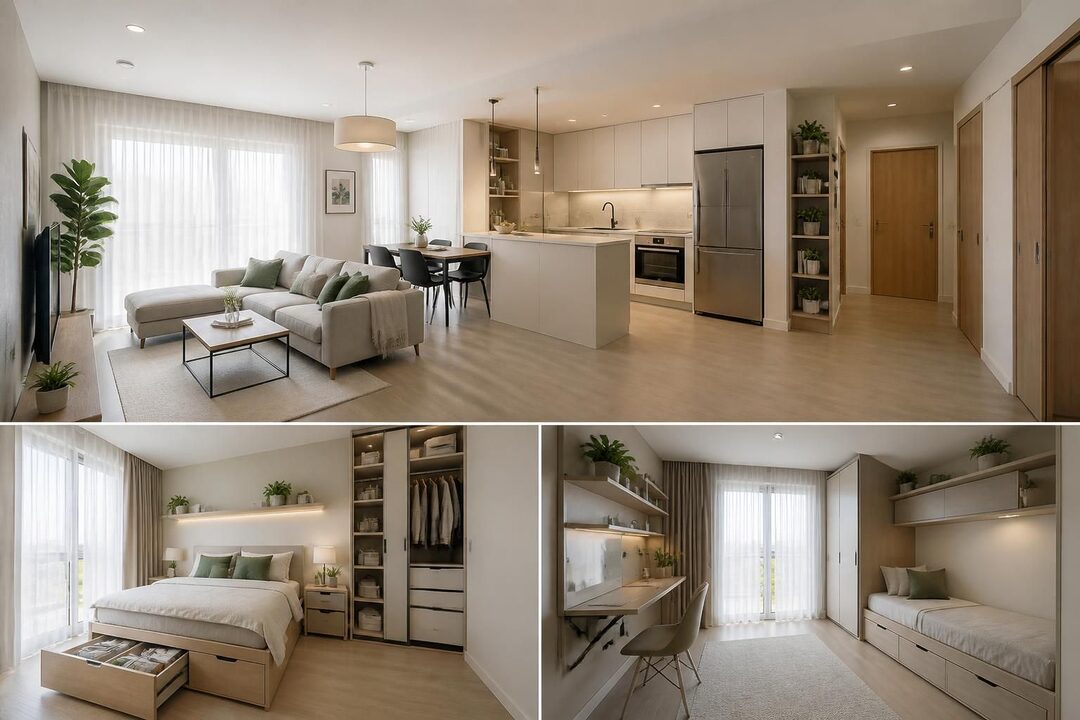
This arrangement can create spacious living without requiring an owner to purchase a large detached house. A household might occupy one unit while keeping the other available for relatives, guests, or a tenant. Rather than using spare rooms for every need, residents can benefit from separate kitchens and living spaces that allow different routines to coexist.
How layout affects the experience
The floor plan shapes how private and convenient the two homes feel. Side-by-side units may make access straightforward, while an upstairs-downstairs arrangement can place bedrooms, living rooms, or outdoor areas in different positions. Buyers should check where doors, windows, stairways, parking, laundry, and storage sit, since the listing description alone may not explain how residents move through the property.
Separate entrances are especially useful when the units have different occupants. They provide a clearer boundary for family members or renters and reduce the sense that one household must pass through another’s home. A buyer comparing layouts can also review ideas for a modern two-story house design to consider how vertical space can be organized, while remembering that a duplex has distinct requirements for two households.
Outdoor areas deserve the same attention as interiors. A duplex may offer a shared yard, separate patios, or a combination of private and common space. If one household expects to garden while another needs room for children or pets, clarify how the yard is divided and who handles upkeep before making assumptions.
Matching the home to changing needs
A flexible layout can make a duplex useful through several stages of life. A young buyer might rent one unit initially, then use it for a parent or adult child later. A growing family may value nearby relatives who can help with everyday routines while maintaining independent kitchens and sleeping areas.
That flexibility is not limitless: each unit still needs to meet residents’ needs, and remodeling may require permits or be restricted by local rules. Reviewing the floor plan alongside the property’s legal status helps distinguish genuine flexibility from a possibility that would require costly work. For a visual comparison of how plans affect usable space, a guide to the relationship between floor plan and living experience offers a useful design perspective, even though a high-rise layout differs from a duplex.
The practical advantage of a duplex begins with its two-home structure, but comfort depends on how thoughtfully those homes are arranged.
Duplex Living, Privacy, and Family Living
For households that want proximity without sharing every room, a duplex can provide a useful middle ground. Parents and adult children, siblings, or other relatives can live in separate units while remaining close enough for meals, childcare, or routine support. This type of family living can preserve autonomy better than a single household sharing one kitchen and living room.
For example, one unit might suit an older relative who prefers a smaller, accessible home, while the other accommodates a family with children. Each household can set its own schedule and maintain its own domestic routines. The arrangement may also make it easier to respond to changing care needs, though a duplex should not be treated as a substitute for appropriate medical or caregiving services.
Privacy depends on design and boundaries
Privacy is one of the main variables to inspect before purchase. A shared wall can transmit sound from televisions, conversations, appliances, or late-night activity. The extent of transfer depends on construction, insulation, the placement of bedrooms, and the condition of the building. During a showing, buyers can listen for noise and ask about renovations or sound-control features rather than assuming that separate units guarantee acoustic separation.
Boundaries matter outside as well. A shared driveway, laundry area, backyard, trash location, or entry path may create regular contact between occupants. That can be convenient for relatives who communicate easily, yet challenging when residents have different expectations about guests, quiet hours, or upkeep. Clear agreements—written where appropriate—can prevent ordinary misunderstandings from becoming ongoing disputes.
Community benefits and possible friction
Living near another household can foster a small, supportive community. Neighbors may watch for deliveries, share occasional tools, or coordinate yard care. For a first-time homeowner, having another adult nearby may make the transition to ownership feel less isolating, especially if the second unit is occupied by someone trusted.
That same closeness requires consideration. A tenant is not automatically a friend or family member, and a relative may still want firm privacy. Owners who rent a unit should use clear lease terms and consistent communication rather than relying on informal assumptions. Differences in work schedules, noise tolerance, pets, and use of common areas are easier to address before move-in than after tension develops.
Outdoor space can be a particular source of disagreement. A fenced patio or clearly assigned parking area may make the arrangement more comfortable; an undefined shared lawn may require residents to decide who maintains it and when. Buyers should inspect gates, lighting, sightlines, and access routes, then consider whether the current setup supports the level of separation they want.
Duplex living works best when the building offers practical privacy and its occupants agree on reasonable boundaries. The physical layout can help, but respectful communication completes the arrangement.
Rental Income, Shared Costs, and the Financial Picture
A major financial appeal of a duplex is the possibility of receiving rental income from one unit while living in the other. That rent may help with a mortgage payment or other ownership costs, but it should not be treated as guaranteed savings. The unit could be vacant, a tenant could pay late, or repairs could reduce the amount available for household expenses.
Consider a hypothetical buyer who occupies one unit and leases the other. The rent may lower the buyer’s net housing cost, but the real calculation must account for vacancy, maintenance, insurance, property taxes, utilities paid by the owner, and any management fees. The buyer should compare realistic local rents with the full cost of ownership—not simply subtract the advertised rent from a mortgage estimate.
Build a complete operating estimate
Before making an offer, request available utility information and inspect the condition of major systems. A roof, plumbing line, electrical panel, or heating system may serve one unit or both. Separate meters can make expense allocation clearer, while shared systems may require the owner to decide how costs are divided and explained to occupants.
Shared costs can include exterior maintenance, landscaping, snow removal, pest control, and repairs to common features. Sharing the building does not necessarily mean sharing expenses with a tenant; the owner remains responsible for obligations set by the lease and applicable local requirements. If relatives own or occupy the units under an informal arrangement, written expectations can still help avoid confusion over bills and repairs.
Other costs to evaluate include:
- Routine repairs and replacement of appliances or building systems.
- Insurance coverage appropriate to the property’s occupancy and rental use.
- Vacancy periods, advertising, tenant screening, and turnover work.
- Professional property management, if the owner does not want to handle daily operations.
- Potential renovations needed to make a unit safe, functional, or legally rentable.
Assessing investment potential and property value
Investment potential depends on location, purchase price, condition, rental demand, and ongoing expenses. A duplex in an area with convenient transportation and local services may attract tenants, but neighborhood appeal alone does not establish a profitable return. Buyers should review comparable sales and rental listings, recognizing that advertised rents may differ from signed lease terms and that market conditions can change.
Property value is also influenced by the local buyer pool. Some purchasers value a second unit for income or extended family; others prefer a single-family layout. A property’s condition, permitted use, and quality of improvements can affect resale interest. No particular rate of appreciation is assured, so a purchase should make sense under reasonable ownership assumptions, not only under an optimistic resale forecast.
| Financial consideration | Question to evaluate | Why it matters |
|---|---|---|
| Potential rent | What do comparable units actually rent for? | Supports a realistic income estimate. |
| Operating costs | Which repairs, utilities, and services fall to the owner? | Reveals expenses that can reduce net income. |
| Vacancy and turnover | Can the household cover costs when the unit is empty? | Tests whether the budget can withstand interruptions. |
| Resale prospects | Who is likely to buy this type of property locally? | Helps assess demand without assuming appreciation. |
The useful measure is not rent alone; it is whether expected income and costs fit the buyer’s budget and tolerance for risk.
Maintenance, Noise, and Responsibilities of Duplex Ownership
Two units under one roof create more than one household’s worth of wear. Appliances, plumbing fixtures, doors, and heating equipment may need repairs, and a shared roof or exterior can affect both residents at once. A duplex may have a smaller footprint than two separate houses, but that does not automatically mean lower total maintenance costs.
Before closing, a professional inspection can help identify visible concerns with the roof, foundation, drainage, electrical system, plumbing, and heating or cooling equipment. Buyers should ask which components serve each unit and whether past work was documented. An inspection does not predict every future repair, but it can support better budgeting and follow-up questions.
Sound, shared areas, and upkeep
Noise control deserves practical attention. Rugs, curtains, and furniture may soften everyday sounds, while construction changes such as additional insulation require a closer look at feasibility and cost. If bedrooms share a wall, or if a living room sits beside a neighbor’s kitchen, the arrangement may feel different during a quiet showing than it does during normal use.
Outdoor space and common access points need defined care. For owner-occupants renting the second unit, the lease should clarify responsibilities for yard use, trash, parking, and reporting repair issues. For a family arrangement, a direct conversation may be enough, but agreeing on expectations in writing can still preserve goodwill.
Landlord duties can include responding to maintenance requests, arranging repairs, communicating with tenants, keeping records, and following applicable housing requirements. These responsibilities take time even when the unit is occupied by someone known to the owner. A property manager can handle some tasks for a fee, but the owner remains accountable for choosing a qualified provider and understanding the management agreement.
Planning for repairs and interruptions
A reserve for maintenance is useful because repairs rarely arrive on a convenient schedule. A leaking fixture may be minor, while a failed major system can require substantial work. The appropriate reserve depends on the building’s age, condition, local contractor costs, and the owner’s finances; there is no universal figure that fits every duplex.
Vacancy is another operational risk. Between tenants, an owner may pay expenses without rental revenue while completing repairs, cleaning, or marketing. A property that appears to cover its costs with a full unit may be less comfortable financially if the household cannot manage a temporary gap.
Buyers should also distinguish between the visible unit and the building as a whole. A freshly painted interior does not establish the condition of shared walls, the roof, drainage, or utility systems. A careful inspection and a realistic maintenance plan turn the duplex’s two-unit design from a source of uncertainty into a manageable ownership responsibility.
Financing and Evaluating Whether a Duplex Fits Your Plans
Financing for a duplex can depend on whether the buyer plans to live in one unit, purchase both units as a rental, and qualify under a particular lender’s rules. Some mortgage programs permit eligible borrowers to finance a residential property with more than one unit when they occupy one of them, but requirements differ by loan type, borrower, property, and current guidelines. Buyers should confirm details directly with lenders and consult official program sources where relevant.
Conventional financing, FHA-insured loans, and VA-backed loans may be options for some owner-occupants, subject to eligibility and program conditions. Down payment assistance may be available through certain local or state programs, though property type and owner-occupancy rules can affect eligibility. For an investment-only purchase, some lenders offer debt-service-coverage-ratio products that assess projected property income; these are non-QM or private lending products, and underwriting standards and costs vary materially.
Questions to raise before choosing a loan
Borrowers should compare the full loan terms, not just the down payment. Ask how the lender treats projected rent, what documentation is needed, whether reserves are required, and how occupancy will be verified. Temporary payment buydowns may be offered in some transactions, but they change the timing of payments rather than eliminating long-term affordability considerations.
A lender can explain loan qualification, while local government offices can clarify zoning, permits, and whether the building is recognized as a two-unit property. Insurance professionals can explain coverage for owner-occupied and rental use, and a tax professional can address questions specific to the owner’s circumstances. Rules and treatment vary by location and situation; a general online description cannot replace that property-specific review.
A practical fit test
A duplex may suit buyers who want to offset some housing expenses, accommodate relatives nearby, or learn about rental ownership while living on site. It may be less suitable for someone who strongly prioritizes a detached, quiet setting or has no capacity to manage repairs and tenant communication. The right choice depends on both the building and the buyer’s willingness to take on its responsibilities.
Before proceeding, consider whether:
- The layout provides adequate privacy for both households.
- The second unit’s legal status and condition have been verified.
- The budget works with conservative rent and vacancy assumptions.
- Maintenance, insurance, and utility arrangements are understood.
- The financing and intended occupancy align with lender requirements.
Duplex ownership brings together a home purchase and, in many cases, a second household to plan for. A sound decision rests on verified property details, a clear financial picture, and an honest assessment of how close living arrangements will work in everyday life.
Common Questions About Living in a Duplex House
What is the difference between a duplex and a single-family home?
A duplex is one building containing two separate residential units, while a typical single-family home is designed as one dwelling. The units in a duplex may have separate entrances, kitchens, and living areas, though layouts vary.
Can an owner live in one duplex unit and rent the other?
Often, owners use one unit as their residence and lease the second, but the property’s legal status, local rules, lease requirements, and mortgage terms must be checked. Rental income is not guaranteed and should be budgeted conservatively.
Are duplexes quieter than apartments?
Not necessarily. A duplex may have fewer nearby households, but a shared wall or floor can transmit sound. Construction quality, unit layout, insulation, and occupant routines all affect noise.
What should buyers inspect before purchasing a duplex?
Review both units and shared building systems, including the roof, foundation, drainage, utilities, and heating or cooling equipment. Verify permitted use, rental rules, insurance needs, and likely maintenance costs with appropriate professionals and local authorities.

At 33 years old, I specialize as a Licensed Residential Real Estate Advisor and Property Market Analyst. With a deep understanding of market trends and client needs, I provide strategic insights and personalized guidance to help clients make informed real estate decisions.