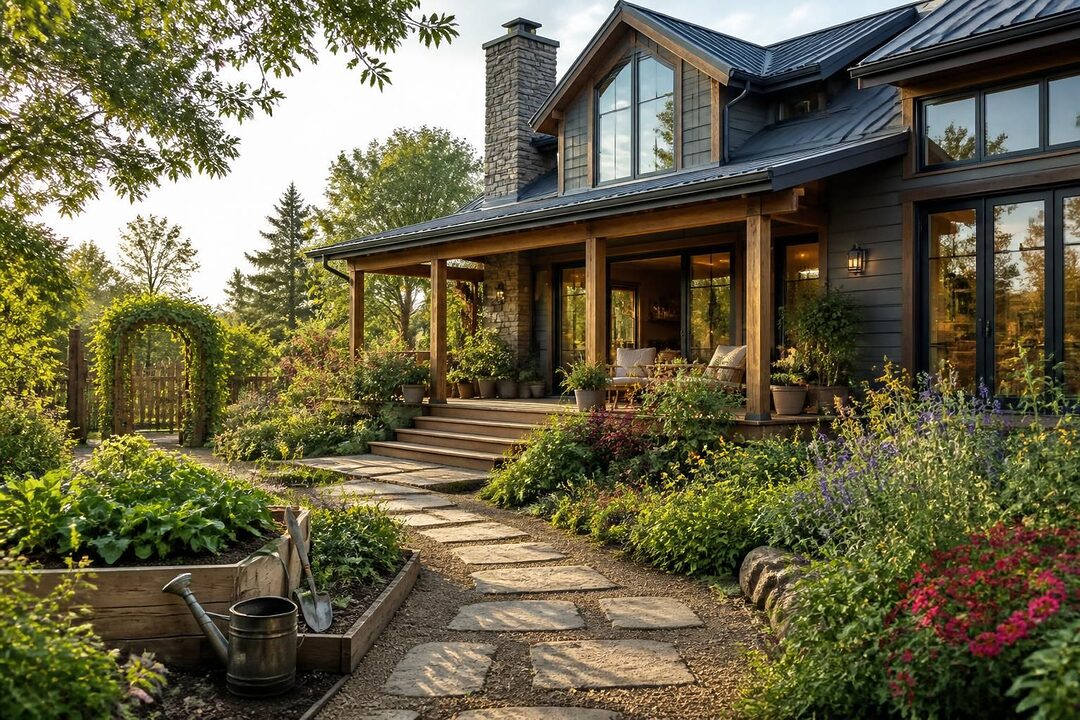
Eco friendly houses have evolved far beyond being mere architectural novelties; they represent a vital shift toward sustainable living that addresses issues like climate change, resource depletion, and environmental degradation. These homes incorporate green building principles to drastically reduce their carbon footprint while enhancing occupant comfort and health. As urban development continues to expand, the push for sustainable residential design grows ever more urgent, driven by both urgent ecological concerns and an increasing consumer focus on long-term financial and wellness benefits. By integrating renewable energy sources, energy-efficient systems, and natural materials, eco friendly houses serve as blueprints for reducing environmental impact without compromising modern lifestyles.
In a landscape where buildings account for nearly 40% of global energy usage, eco friendly homes provide practical solutions that extend far beyond the immediate footprint of the structure. Advances in sustainable architecture, such as passive house designs and smart home energy management, position these homes at the forefront of green innovation. From harnessing solar power to optimizing water conservation systems, they exemplify how residential spaces can embrace technologies and materials that serve both the environment and their inhabitants. This intersection of environment-conscious design and real estate value prompts a reevaluation of traditional home-building approaches.
Key benefits of eco friendly houses include lower utility costs through superior energy efficiency, enhanced indoor air quality by using non-toxic elements, and increased property value thanks to growing market demand for sustainable living. Many homeowners now consider factors like solar panels, sustainable insulation, and water harvesting techniques as essential features rather than optional luxuries. The momentum behind sustainable housing also reflects broader societal trends toward reducing environmental impact, making these homes prime candidates for investment and development in the coming years.
Understanding Eco Friendly Houses: Defining Features and Green Building Technologies for Sustainable Living
At its core, an eco friendly house is defined by its commitment to minimizing environmental impact through design, building materials, and operational systems. The foundational focus is energy efficiency, achieved by integrating elements that reduce energy consumption such as advanced insulation, passive solar design, and high-performance windows. For example, passive houses use super-insulated walls and triple-glazed windows to cut down heating and cooling needs drastically, reducing energy demand by up to 90% as compared to conventional homes.
Sustainable building materials play a pivotal role. Reclaimed wood, bamboo composites, and low-VOC paints not only limit environmental harm but also promote healthier indoor air quality by minimizing the release of harmful chemicals. Innovations like mycelium insulation illustrate emerging bio-based alternatives that provide strong thermal performance while sequestering carbon. Such materials directly contribute to a house’s overall green footprint by replacing energy-intensive conventional products.
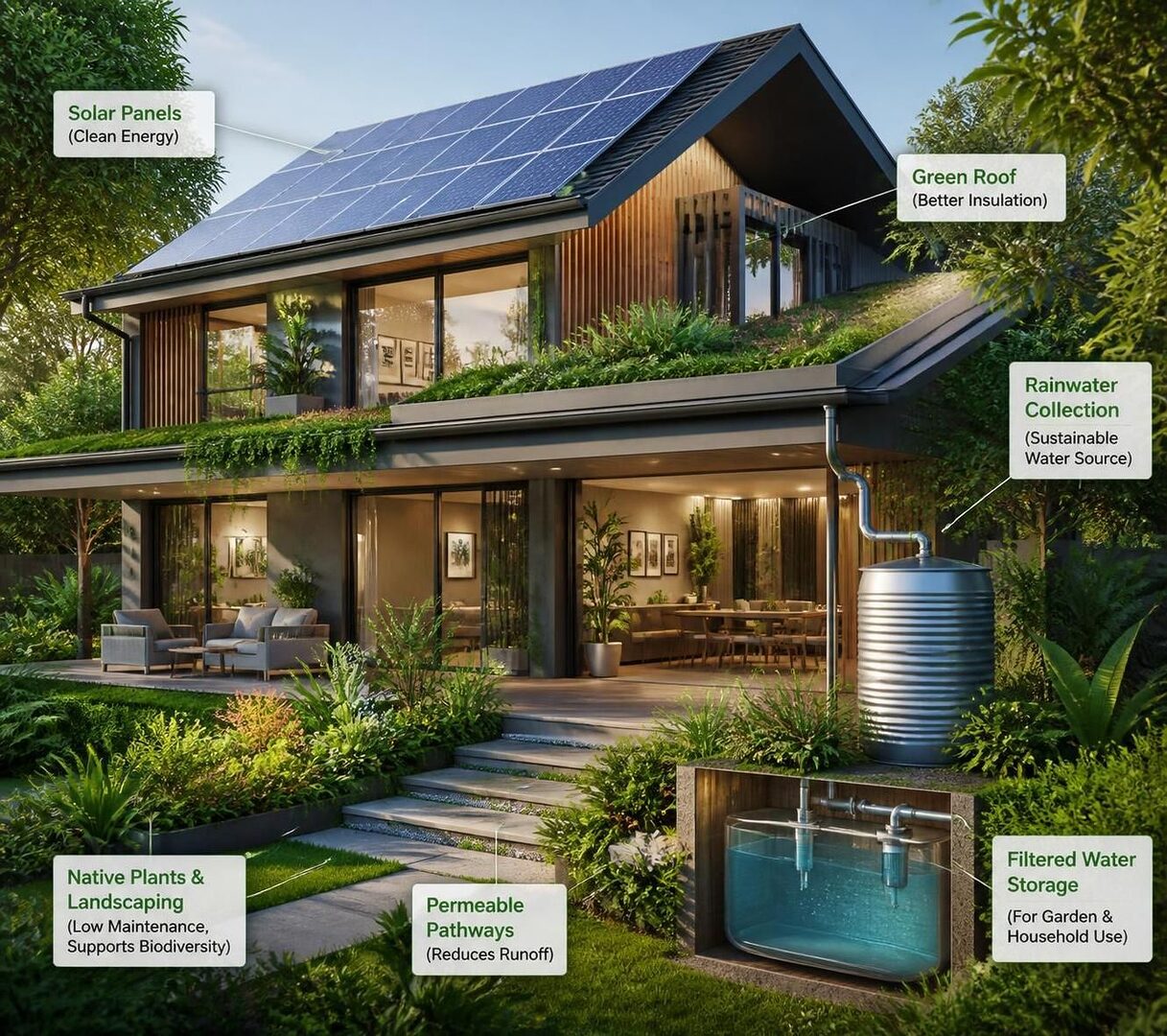
The integration of renewable energy technologies is another hallmark. Residential solar power systems have become mainstream, with next-generation solar panels offering efficiencies as high as 35% and transparent solar technologies doubling as window glazing. Additionally, home battery storage solutions allow homeowners to store excess electricity generated for nighttime use, further reducing reliance on the traditional power grid. In some advanced setups, hybrid systems combine solar, wind, and geothermal energy sources tailored to local environment factors, optimizing energy independence and curbing utility costs.
Water conservation systems complement these energy solutions. Rainwater harvesting captures and stores precipitation for non-potable uses such as irrigation and toilet flushing, significantly reducing municipal water demand. Greywater recycling systems repurpose slightly used household water for landscape irrigation, promoting responsible water stewardship. Paired with water-efficient fixtures certified by programs like WaterSense, these strategies cut indoor water use by up to 30% without compromising functionality.
Understanding the synergy among these features is key to appreciating how eco friendly houses function as integrated systems rather than isolated upgrades. This holistic approach—embracing natural materials, renewable energy, and resource conservation—creates homes that are efficient, sustainable, and attuned to modern lifestyles.
Designing Sustainable Homes: Energy Efficiency, Environmental Impact Reduction, and Practical Considerations
Designing an eco friendly house involves strategic planning to maximize energy efficiency and reduce environmental impact throughout the home’s lifespan. Key considerations begin with site orientation, which optimizes solar exposure to harness natural light and heat. Proper positioning of windows and shading systems balances heat gain in summer and heat retention in winter, minimizing HVAC needs.
Energy-efficient appliances and smart home systems enhance day-to-day operational efficiency by intelligently adjusting consumption according to occupancy patterns. The incorporation of advanced insulation materials ensures temperature stability, reducing the demand for fossil-fuel based heating and cooling. For instance, using recycled denim insulation delivers excellent thermal performance while promoting circular material use.
Water conservation is addressed through multiple integrated systems. Rainwater harvesting complements low-flow fixtures, while native drought-resistant landscaping reduces irrigation needs significantly. Xeriscaping, the practice of replacing water-intensive lawns with native plants and mulched beds that retain moisture, can cut outdoor water use by over 50%, exemplifying how landscaping choices affect overall sustainability.
Moreover, waste reduction strategies are integral to design. This includes planning for onsite composting and recycling stations to divert organic and recyclable waste from landfills, fostering a circular household ecosystem. Selecting natural, sustainably sourced materials like bamboo flooring or reclaimed wood trim not only supports environmental goals but also enhances aesthetics and durability.
Designing an eco friendly home also factors in local regulations and zoning laws, ensuring compliance while pushing sustainable standards forward. Understanding these requirements early prevents costly adjustments and streamlines the construction process. Homeowners should also seek third-party certifications like LEED or Passive House to verify energy and performance standards, which often translate into higher resale value and stronger market appeal.
Successful design blends functionality with green innovations, making it possible to create homes that are not only sustainable but also comfortable, attractive, and economically viable. For those interested in integrating sustainable living into practical plans, exploring modern two-story house designs can offer insights into combining style with eco friendly elements.
Renewable Energy Systems and Water Conservation: Key Drivers in Reducing Carbon Footprint of Eco-Friendly Homes
Renewable energy systems represent a fundamental aspect of eco friendly houses with their ability to generate clean power onsite. Solar power remains the most accessible option for residential properties. According to the National Renewable Energy Laboratory, residential solar panels typically produce 15-22% efficiency, though recent technological advancements push this figure close to 35%. When paired with home battery storage systems, such as the Tesla Powerwall, homeowners can store surplus energy generated during sunny periods for use when the sun isn’t shining, thereby increasing energy independence and lowering electricity costs.
Wind turbines are another renewable technology suited for homes in optimal locations with steady wind patterns. While less common than solar, wind energy can supplement residential power needs efficiently when site conditions allow. Geothermal systems, leveraging the earth’s stable underground temperatures, provide highly efficient heating and cooling options that reduce reliance on fossil fuels substantially.
On the water side, advanced rainwater harvesting setups combined with smart filtration enable households to tap into natural precipitation to fulfill non-potable needs. This practice can reduce mains water use by up to 50%, easing pressure on local water systems and lowering energy consumption tied to water processing. Greywater recycling adds another dimension, allowing water from showers and laundry to be reused safely for irrigation, reducing overall footprint further.
These technologies contribute to lowering a home’s carbon footprint substantially by minimizing utility grid demands and optimizing resource use. They interface with other sustainable design features to create a cohesive ecosystem where energy and water efficiency work symbiotically. Homeowners interested in maximizing these benefits should consider integrating them early in the design phase for best performance and cost-effectiveness.
Comparison of Renewable Energy Options in Residential Green Building:
| Energy System | Typical Efficiency | Ideal Conditions | Installation Cost Range | Maintenance Requirements |
|---|---|---|---|---|
| Solar Panels | 15-35% | High solar exposure, south-facing roofs | $15,000 – $30,000 | Low, annual cleaning and inspection |
| Wind Turbines | 20-40% | Consistent wind, rural or open areas | $20,000 – $50,000 | Moderate, mechanical inspections |
| Geothermal Systems | 300-500% (Coefficient of Performance) | Stable underground temperatures | $25,000 – $45,000 | Low to moderate, periodic system checkups |
Health, Financial, and Environmental Benefits of Eco-Friendly Living
Living in an eco friendly house offers significant advantages beyond energy savings. Environmentally, these homes reduce carbon emissions, combat climate change, and minimize water waste—directly aligning with 2026 sustainability priorities. The US Environmental Protection Agency highlights that buildings contribute nearly 39% of total energy consumption nationally, emphasizing the critical role of sustainable housing in climate mitigation efforts.
The health benefits are equally compelling. Eco friendly homes improve indoor air quality by eliminating volatile organic compounds (VOCs) commonly found in conventional building materials and furnishings. Enhanced ventilation systems maintain optimal airflow, reducing allergens and respiratory irritants. Studies show that exposure to cleaner air indoors correlates with reduced rates of asthma and other chronic conditions, underscoring the importance of natural materials and low-toxicity paints.
Financial incentives further enhance appeal. While upfront costs may be higher, homeowners benefit from substantially lower utility bills thanks to solar power, energy-efficient appliances, and water-saving fixtures. According to the National Association of Home Builders, green-certified homes often sell for up to 9% higher than comparable traditional properties, reflecting increasing market demand and recognition of sustainable features’ value.
Additionally, many municipalities offer tax credits and rebates to offset installation costs of renewable systems and energy-efficient upgrades. These programs improve affordability and accelerate the return on investment. Prospective buyers should investigate local incentives before committing to sustainable home projects to take full advantage of available financial support.
These combined benefits validate eco friendly houses as prudent investments not only for environmental stewardship but also for personal well-being and financial resilience. For detailed architectural inspiration merging functionality with sustainability, exploring the appeal of big homes in California offers relevant perspectives on integrating space and green living.
Overcoming Challenges in Building and Maintaining Eco-Friendly Homes
Despite clear benefits, transitioning to eco friendly housing involves navigating some distinct challenges. One major concern is the upfront cost of sustainable materials and renewable energy systems, which can exceed traditional options by 10-30%. However, as technologies mature and economies of scale improve, prices progressively align more closely with conventional construction. Homeowners can also seek energy-efficient financing options or government incentives such as tax credits and rebates to mitigate initial expenditures.
Regulatory environments can present hurdles. Local building codes and zoning laws differ widely, sometimes restricting elements like solar panel placement or water harvesting systems. Early consultation with permitting agencies and sustainable design specialists helps circumvent these barriers while ensuring compliance and optimal system integration.
Maintenance requirements for specialized green technologies warrant attention. Solar panels and battery units necessitate periodic inspection and cleaning to sustain peak output. Rainwater and greywater systems require routine filter replacement and leak checks to preserve water quality. Staying proactive with these tasks prolongs system longevity and efficacy but demands planning and occasional cost considerations.
Planning for future adaptability is increasingly important. Sustainable homes benefit from modular components and smart home integrations allowing upgrades to new technologies as they emerge. Good design today anticipates these transitions to avoid costly retrofits and foster long-term sustainability.
Ultimately, overcoming these challenges calls for informed decision-making, reliable professional guidance, and long-term perspective. The benefits of reduced environmental impact, financial savings, and healthier living environments often outweigh the complexities when approached carefully.
Can existing homes be retrofitted to become eco friendly?
Yes, many existing homes can be upgraded with energy-efficient appliances, insulation improvements, solar panels, and water conservation systems to enhance sustainability and reduce their environmental footprint.
What are the most cost-effective eco friendly upgrades for homeowners?
Installing LED lighting, low-flow water fixtures, weatherstripping, and programmable thermostats are some affordable ways to improve a home’s sustainability without major renovations.
How do eco friendly homes affect property resale value?
Green-certified and energy-efficient homes tend to command higher resale prices due to growing demand for sustainable features and reduced operating costs.
Are renewable energy systems suitable for all locations?
Solar power systems generally adapt to most residential areas, but options like wind turbines and geothermal heating depend on local climate and site conditions for effectiveness.
What maintenance do sustainable water systems require?
Rainwater harvesting and greywater recycling systems need regular inspection, filter changes, and leak monitoring to ensure water quality and system efficiency over time.

At 33 years old, I specialize as a Licensed Residential Real Estate Advisor and Property Market Analyst. With a deep understanding of market trends and client needs, I provide strategic insights and personalized guidance to help clients make informed real estate decisions.