A durable roof begins long before the first shingle is fastened. The home’s design, local weather, material choices, attic conditions, and installation details all shape how well the finished system sheds water and withstands years of exposure. For homeowners comparing bids or planning a replacement, the most useful roofing tips focus on the complete system—not just the visible surface.
D L Williams Roofing is part of the search many homeowners make for installation guidance, but a sound decision depends on asking specific questions of any contractor. How will the roof deck be checked? Which underlayment and flashing details are included? How will the crew protect the property and verify ventilation? Clear answers help distinguish a thorough roof installation plan from an estimate that describes materials without explaining how they work together.
In brief
- Choose roofing materials for the home’s climate, structure, design, and budget—not appearance alone.
- Require a written installation scope that covers the deck, underlayment, flashing, ventilation, and cleanup.
- Address leaks, damaged flashing, clogged gutters, and overhanging branches promptly.
- Use qualified professional roofers for steep-slope work, snow removal, and repairs that involve fall or structural risks.
- Keep inspection and repair records to support maintenance planning and future property disclosures.
Plan a Durable Roof Installation Around the Whole Home
A roof is a layered building system. Shingles or panels provide the visible outer covering, while the deck, underlayment, flashing, ventilation, and drainage details help manage water and heat. A weakness in one layer can undermine the others, so homeowners should evaluate a proposal as a complete plan rather than comparing only the price per square.
Start with the home itself. Roof slope, valleys, dormers, chimneys, skylights, and attached additions affect how water moves and where leaks are more likely to develop. A simple gable roof generally has fewer intersections than a roof with multiple valleys and penetrations, but its performance still depends on correct edge and ridge details. For context on how architecture affects these choices, see this overview of home roof design essentials.
Before installation, the contractor should assess the existing roof and explain what happens if concealed damage appears after tear-off. Soft or deteriorated sheathing, for example, may require replacement before new materials can be attached reliably. The estimate should clarify how such work is documented and priced, so an unexpected condition does not become an unclear change during the project.
Compare bids by scope, not just by headline price
Two estimates can list the same shingle brand while describing very different work. One may include new underlayment, upgraded flashing at a chimney, and proper disposal; another may leave those items unspecified. Ask each bidder to identify the product types, installation areas, ventilation work, cleanup process, and warranty terms in writing.
A homeowner named Maria, for example, receives two bids after a storm exposes a leak near a skylight. The lower estimate replaces the shingles around the opening but does not state whether the flashing will be replaced or reused. The higher bid specifies new step flashing and an inspection of the surrounding deck. Comparing these scopes gives Maria a more meaningful basis for evaluating value than comparing totals alone.
Confirm who supervises the work, whether subcontractors will be used, and how weather delays are handled. Ask for proof of insurance and references, then check that the proposed materials are suitable for the building and local conditions. A dependable installation plan explains how vulnerable transitions will be protected, not only which surface product will be installed.
Select Roofing Materials for Climate, Design, and Long-Term Ownership
The right roofing materials balance weather resistance, structural suitability, appearance, maintenance, and upfront cost. Asphalt shingles are common on U.S. homes, while metal, tile, slate, and other products may suit particular designs or conditions. Each option has trade-offs: material weight can matter to the structure, installation requirements vary, and repairs may be easier for some products than others.
Local exposure should guide the discussion. Homes facing frequent high winds, hail, heavy rain, intense sun, or seasonal snow may need different product specifications and details. No material should be described as universally storm-proof. Ask the contractor to explain the product’s documented ratings and limitations, and verify that the proposed installation follows the manufacturer’s instructions and applicable local requirements.
Cost comparisons should also account for the full ownership period. A lower initial price can be appealing, but the total value depends on expected service life, maintenance needs, repairability, and the cost of installation details. Conversely, a premium product is not automatically a better investment if it is poorly matched to the building or installed incorrectly. A real estate perspective adds another consideration: a roof’s condition, documentation, and visible workmanship can influence buyer confidence during a future sale, although no material choice guarantees a particular resale outcome.
Match the product to the roof’s shape and structure
Complex rooflines may require careful cutting and transitions, while broad, simple slopes can make layout more straightforward. Heavy products should not be selected without confirming that the existing structure can support them. A contractor can explain whether the roof deck and framing appear suitable and whether a separate structural assessment is warranted.
Color and profile matter as well. A roof is a large part of a home’s exterior, so the selected finish should work with siding, trim, and surrounding architecture. A homeowner updating a traditional gabled house might compare shingle profiles that preserve the home’s proportions rather than choosing a style solely because it is trending. The guide to homes with traditional gables illustrates how roof form contributes to a home’s overall character.
Understand what the warranty does and does not cover
Product warranties and workmanship coverage are different. A manufacturer’s warranty generally relates to the product under specified conditions, while installation coverage concerns the contractor’s work and is governed by its written terms. Homeowners should read exclusions, maintenance obligations, transfer conditions, and the process for reporting a problem rather than relying on a brief verbal summary.
Keep product names, color details, receipts, photographs, and warranty documents with the home’s maintenance records. If a future buyer asks when the roof was installed or which products were used, organized records can make the answer easier to verify. The strongest material choice is the one that suits the building and can be installed and maintained correctly.
Protect the Roof System With Ventilation and Water Management
Roof ventilation is often less visible than shingles, yet it plays an important role in managing heat and moisture in the attic. A ventilation strategy must suit the home’s size, layout, insulation, and existing airflow paths. Simply adding a vent does not guarantee better performance; intake and exhaust need to work as a coordinated system, and the building’s design may limit where components can be placed.
Excess moisture in an attic can contribute to condensation and damage to wood or insulation, while excessive heat may affect comfort and roofing components. These conditions can have several causes, including blocked vents, air leaks from the living space, or inadequate insulation. A qualified contractor should investigate the system as a whole instead of assuming that one new vent will solve every attic concern.
Flashing is essential at roof penetrations
Flashing directs water away from joints and openings, including chimneys, plumbing vents, skylights, walls, and roof valleys. These transitions deserve close attention because water follows gravity and can exploit gaps where materials meet. During installation, ask how flashing will be integrated with the surrounding roofing layers and whether existing metal will be replaced or reused.
Consider a small stain that appears on a bedroom ceiling after a prolonged rain. The visible mark may be several feet from the actual entry point because water can travel along framing before it becomes visible indoors. An inspection should examine nearby roof penetrations, flashing, and the attic path where safe access is available. Painting over the stain without finding the source may hide evidence while the underlying moisture continues.
Keep drainage paths clear
Gutters and downspouts help move water away from roof edges and the foundation. Leaves, small branches, and sediment can slow drainage, allowing water to overflow or remain near vulnerable roof edges. Many homeowners schedule cleaning in spring and fall, adjusting the timing to local tree cover and weather. A property beneath mature trees may need more frequent attention than a home with few nearby branches.
Look for sagging sections, loose hangers, separated joints, and downspouts that discharge too close to the house. Repairs should account for safe access: ladder work near roof edges can be hazardous, and professional help may be appropriate. During a roof project, confirm that the contractor will protect gutters from debris and identify any damage noticed during installation.
Good weatherproof roofing depends on more than a watertight surface. Ventilation, flashing, and drainage form a connected defense against moisture, so each should be considered during installation and routine care.
Use a Practical Roof Maintenance and Inspection Routine
Roof maintenance is most effective when it is planned rather than delayed until water appears indoors. A visual review from the ground after major weather events can reveal missing shingles, fallen branches, displaced metal, or debris in valleys. Homeowners should avoid walking on a roof to inspect it; surfaces may be steep, slippery, fragile, or unsafe even when they appear dry.
Professional inspections can help identify wear that is not obvious from below. The appropriate timing depends on roof age, material, local weather, tree cover, and any recent damage. If a property has experienced hail, strong winds, or a leak, arranging an assessment promptly is more useful than waiting for the next scheduled maintenance date.
Respond to small warning signs before they spread
Interior clues include water stains, peeling paint near ceilings, damp attic insulation, or musty odors. Exterior signs can include damaged shingles, lifted flashing, blocked gutters, or granules collecting near downspouts. These observations do not prove a particular cause, but they help an inspector focus on likely problem areas.
Prompt attention matters because water can affect more than the roof covering. If moisture reaches drywall, insulation, framing, or stored belongings, the repair may expand beyond the original entry point. For instance, a homeowner who spots a small stain after a storm can document it, protect items below, and arrange a professional assessment rather than attempting a patch from a ladder.
Maintain trees, gutters, and records
Branches close to the roof can scrape surfaces, drop debris into valleys, or break during high winds. A qualified tree-care professional can advise on pruning where branches pose a hazard. The goal is to reduce contact and debris without creating a separate safety problem by cutting large limbs without appropriate equipment.
Keep a simple record of inspections, repairs, dates, photographs, and contractor documentation. This history helps homeowners track recurring trouble spots and can be useful when discussing the property with an insurer, contractor, or prospective buyer. It also makes it easier to distinguish routine wear from damage following a specific event.
Maintenance is not a substitute for proper installation, but it helps preserve the work already completed. Early observation, safe professional assessment, and clear records can prevent a minor concern from becoming an expensive surprise.
Hire Professional Roofers and Handle Seasonal Risks Safely
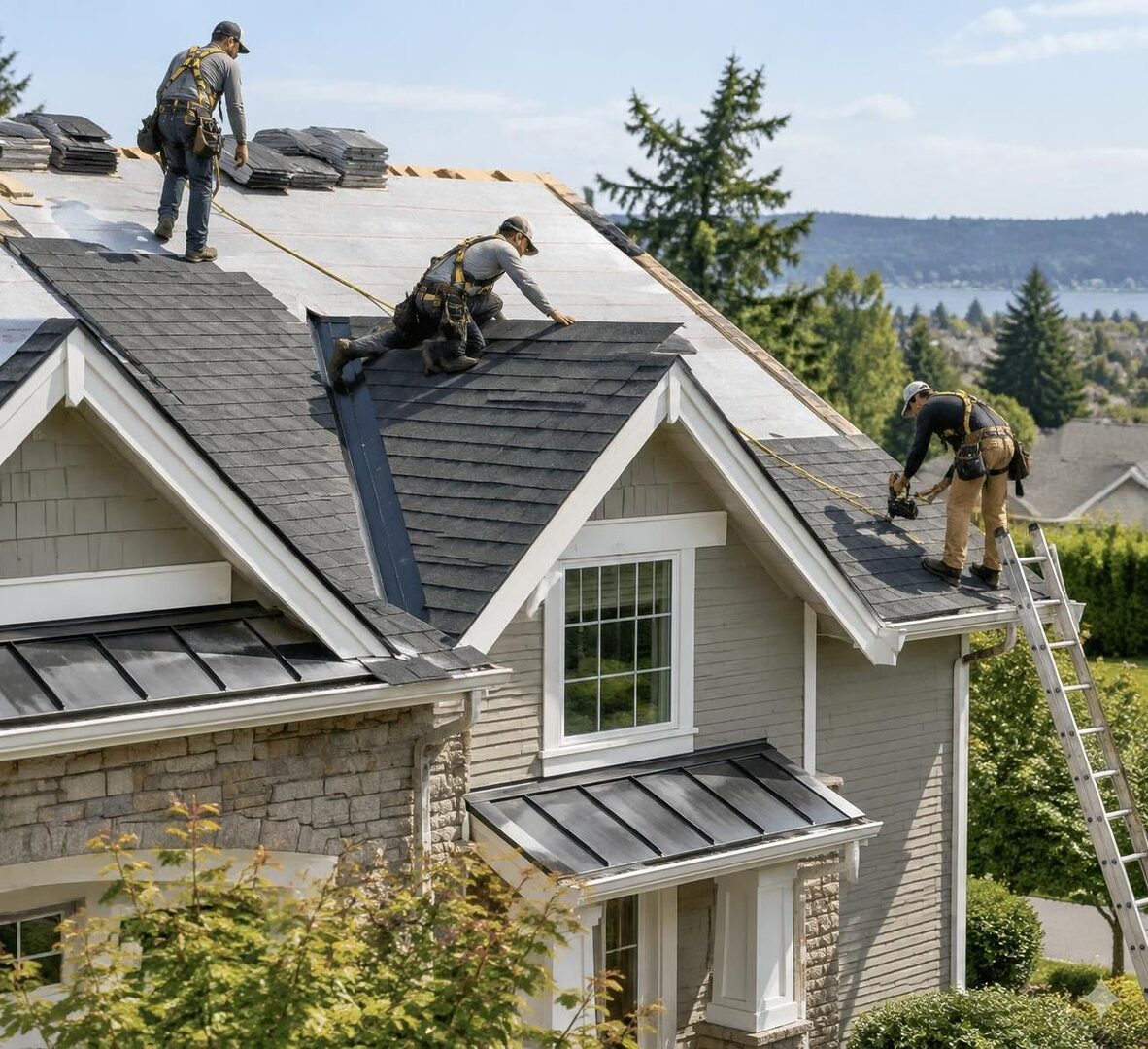
Roofing work involves heights, tools, changing weather, and materials that can be difficult to handle safely. Professional roofers bring specialized equipment and experience recognizing conditions that may not be apparent to a homeowner. Replacing a few accessible-looking shingles can still involve hidden damage, unsafe footing, or incorrect fastening, so do-it-yourself repairs should not be treated as a simple home project.
Before selecting a contractor, request a detailed written scope and ask who will perform and supervise the work. Verify current insurance documentation and check references for projects of a similar type. Depending on the location, homeowners may also need to confirm local permit requirements or other project conditions with the relevant local authority; requirements vary by jurisdiction and scope.
Ask how the crew will protect the property
A well-planned project includes attention to landscaping, siding, windows, driveways, and outdoor equipment. Ask where materials will be staged, how debris will be collected, and what the cleanup process includes. At completion, request a walkthrough and documentation of any approved changes made after the original roof was opened.
Do not rely on pressure to make a rapid decision after a storm. Compare the proposed scope, product details, schedule, payment terms, and warranty paperwork. If insurance is involved, keep communications and estimates organized, but treat coverage decisions as matters for the insurer and applicable policy—not as a promise made by a contractor.
Prepare for snow and severe weather
Snow removal from a roof can be dangerous, especially on steep slopes, near power lines, or where ice has formed. Removing snow incorrectly may damage shingles or other roofing components. Homeowners should seek qualified help when removal is necessary and avoid climbing onto a roof or using tools in ways that could injure someone or harm the covering.
Plan before winter rather than searching for help during a heavy snowfall. Check whether a prospective company is qualified for the work, insured, and able to explain its safety practices. After severe weather, look for damage from the ground and arrange an inspection if there are visible concerns or signs of water entry.
D L Williams Roofing may appear in a homeowner’s search for installation guidance, but the same evaluation standards apply to any provider: documented scope, appropriate credentials, clear communication, and sound safety practices. A durable roof is the result of informed material choices, careful installation, and maintenance that respects the risks of working at height.
| Roof concern | What to check | Practical response |
|---|---|---|
| Possible leak | Ceiling stains, damp insulation, damaged flashing | Document the sign and arrange a professional assessment |
| Poor drainage | Overflowing gutters, debris, loose hangers | Clear or repair safely; use qualified help where access is risky |
| Attic moisture | Condensation, musty odor, damp materials | Have ventilation, insulation, and air leakage evaluated together |
| Storm exposure | Missing shingles, fallen limbs, displaced roof components | Keep clear of hazards and request an inspection when damage is suspected |
How often should a residential roof be inspected?
Timing depends on the roof’s age, material, local weather, tree cover, and recent events. A ground-level visual check after major storms can identify obvious concerns, while a qualified professional can assess areas that are unsafe or difficult to see.
What should a roof installation estimate include?
A useful estimate identifies the roofing products, underlayment, flashing work, ventilation details, removal and disposal, cleanup, project supervision, warranty terms, and how concealed damage or extra work will be handled.
Does roof ventilation prevent every moisture problem?
No. Ventilation is one part of attic moisture management. Insulation, air leakage from the living space, vent placement, and the home’s layout can also affect performance, so the system should be evaluated as a whole.
Is it safe to repair or inspect a roof without a contractor?
Roof access can involve serious fall and tool hazards, and damage may be difficult to diagnose from the surface. Homeowners can observe visible signs from the ground, but roof work and close inspections are generally best left to qualified professionals.

At 33 years old, I specialize as a Licensed Residential Real Estate Advisor and Property Market Analyst. With a deep understanding of market trends and client needs, I provide strategic insights and personalized guidance to help clients make informed real estate decisions.