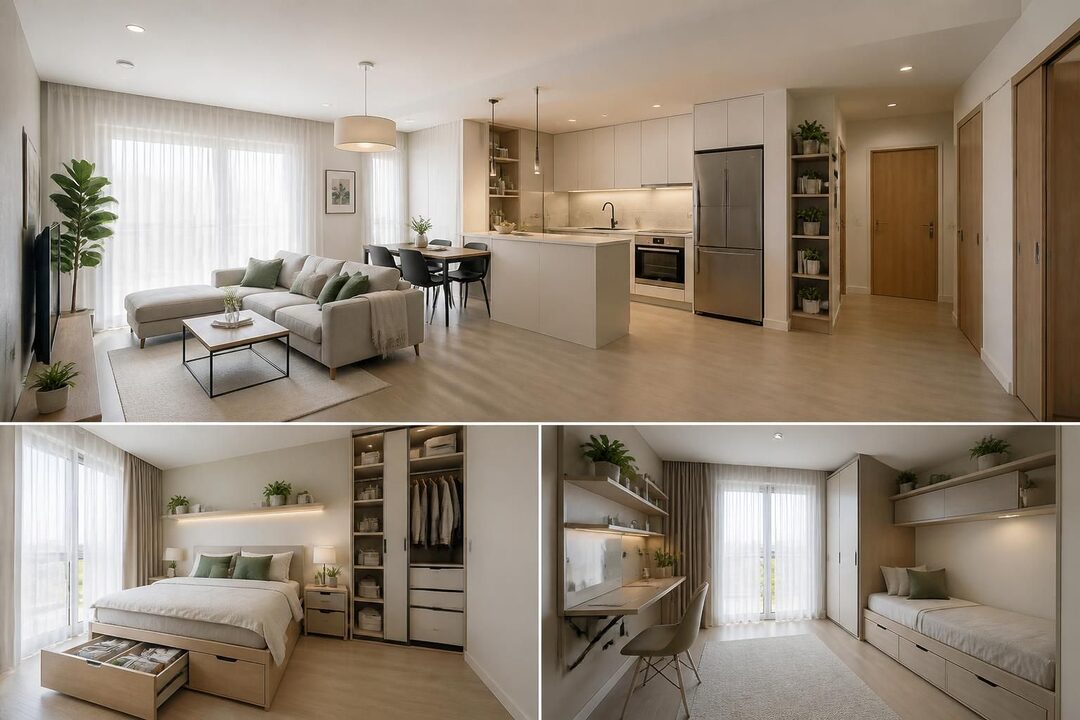
A balcony can function as far more than a narrow strip outside a sliding door. With a considered layout, durable materials, comfortable seating, and well-planned lighting, it becomes a useful extension of the home: a quiet place for morning coffee, an intimate setting for dinner, or a green retreat above a busy street. The most successful luxury balcony designs do not depend on expansive square footage. They make each choice count, from the floor beneath the furniture to the plants that soften a hard railing.
The practical starting point is to assess how the balcony is built and how it will be used. Sun exposure, wind, drainage, privacy, building rules, and access all influence which furnishings and finishes make sense. A few carefully selected pieces can create a more refined result than a crowded collection of accessories. That balance—comfort without clutter, elegance without impracticality—is what turns balcony design into a lasting improvement to everyday living.
In Brief: What Gives a Luxury Balcony Its Appeal
- Design around a primary use: Decide whether the space is chiefly for lounging, dining, gardening, or a mix of activities.
- Choose outdoor-rated materials: Flooring, cushions, and furniture need to suit the local weather and the balcony’s exposure.
- Protect circulation: Keep the route from the door clear and avoid filling every available corner.
- Use greenery thoughtfully: Railing planters and vertical arrangements can add character without consuming all the floor area.
- Layer ambient lighting: Combine practical illumination with a softer glow for evening use.
- Check building requirements: Confirm rules on installations, open flames, planters, privacy screens, and changes to railings.
Plan a Luxury Balcony Around the Way You Live
A strong balcony design begins with a purpose, not a shopping list. A homeowner who wants a peaceful reading spot needs different features from someone who regularly hosts outdoor dinners. Trying to make a compact area serve every possible function can leave it crowded and difficult to use. Instead, identify the activity that matters most, then add only secondary uses that fit comfortably.
Consider an illustrative example: Maya has a small city balcony and initially imagines fitting in a dining table, a lounge chair, several planters, and storage. Once she measures the space and marks the door swing, she sees that a two-seat café table would obstruct the natural route outside. She instead chooses one comfortable lounge chair, a small side table, and a slim planter along the railing. The result supports her daily routine and leaves enough open floor to move with ease.
Measure the space before selecting furnishings
Measure the balcony’s width and depth, note the location of doors and drains, and record any structural posts or changes in floor level. Then use paper templates or removable tape to map out furniture footprints. This simple exercise reveals whether chairs can be pulled back and whether a walkway will remain clear. It also helps prevent expensive purchases that are attractive in a showroom but oversized at home.
For a larger balcony, define distinct areas without building unnecessary barriers. A rug can help distinguish a lounge zone from a dining area, while a pair of planters can mark the transition without blocking the view. On a compact terrace, a single visual anchor—such as a well-proportioned chair or a thoughtfully chosen tree—often provides more impact than multiple small accessories.
Make the indoor-outdoor transition feel deliberate
Luxury often comes from continuity. Repeating a color, material, or shape found inside helps the balcony feel connected to the home rather than like a separate afterthought. A natural-toned rug may echo wood flooring indoors, while cushions in a restrained accent color can relate to nearby interior furnishings. For broader inspiration on exterior character and architectural presentation, see these examples of modern architectural façade design.
Continuity does not mean copying the interior exactly. Outdoor pieces must tolerate exposure, and a balcony can benefit from materials that feel more relaxed, such as teak, textured stone, or woven resin. The goal is a visual relationship between rooms, supported by finishes that suit the conditions outside. A well-planned threshold makes even a modest balcony feel like part of the home’s usable living area.
Choose Durable Flooring and Premium Furnishings
The floor establishes the atmosphere of an outdoor room, but it also has to perform in changing weather. Before covering an existing surface, consider drainage, surface condition, sun exposure, and any rules that apply to the property. A covering should not trap water or conceal a maintenance problem. Where the existing concrete is serviceable, an outdoor rug may be the simplest way to introduce color and define a seating area.
Interlocking deck tiles can give a plain slab a warmer appearance without a permanent renovation, but they must be compatible with the surface and allow appropriate water flow. Outdoor-rated porcelain can offer a more finished look where installation is permitted and professionally suitable. Natural wood brings tactile warmth, though it needs care appropriate to its species and local climate. No finish is maintenance-free, so the right choice depends on the owner’s appetite for upkeep as much as on appearance.
Invest in furniture that suits the exposure
Premium furnishings are not defined only by price or brand. For a balcony, quality also means stable construction, weather-appropriate materials, replaceable cushions, and proportions that fit the available area. Metal frames can look crisp and take up little visual space; wood can soften a contemporary building; and outdoor woven materials can create a more casual, resort-like mood. Compare pieces by comfort and practical dimensions, not by photographs alone.
Textiles deserve similar scrutiny. Look for cushions and rugs designed for outdoor use, and consider how easily covers can be cleaned or stored. In a sunny location, color and fabric performance matter; in a wind-exposed setting, lightweight accessories may need to be secured or brought indoors. A storage bench can hold cushions and gardening supplies, although it should not obstruct drainage or the route to the door.
| Design choice | Useful advantage | Practical consideration |
|---|---|---|
| Outdoor rug | Defines a lounge or dining zone and softens a hard surface | Choose a material suited to moisture and allow the floor to dry |
| Modular deck tiles | Can refresh the look of an existing slab without a full remodel | Check drainage, compatibility, and property rules before installation |
| Folding bistro set | Provides dining space that can be cleared when not needed | Confirm that the folded pieces can be stored securely |
| Storage bench | Combines seating with concealed organization | Prioritize weather resistance and maintain an unobstructed walkway |
Furniture layout should preserve circulation rather than maximize the number of seats. A slender side table may be more useful than a larger coffee table if it keeps the path open. In a deeper space, a compact sectional placed along the perimeter can create a defined lounge area, while leaving the center available for movement. The most luxurious arrangement is one that feels comfortable to use, not one that simply fills the footprint.
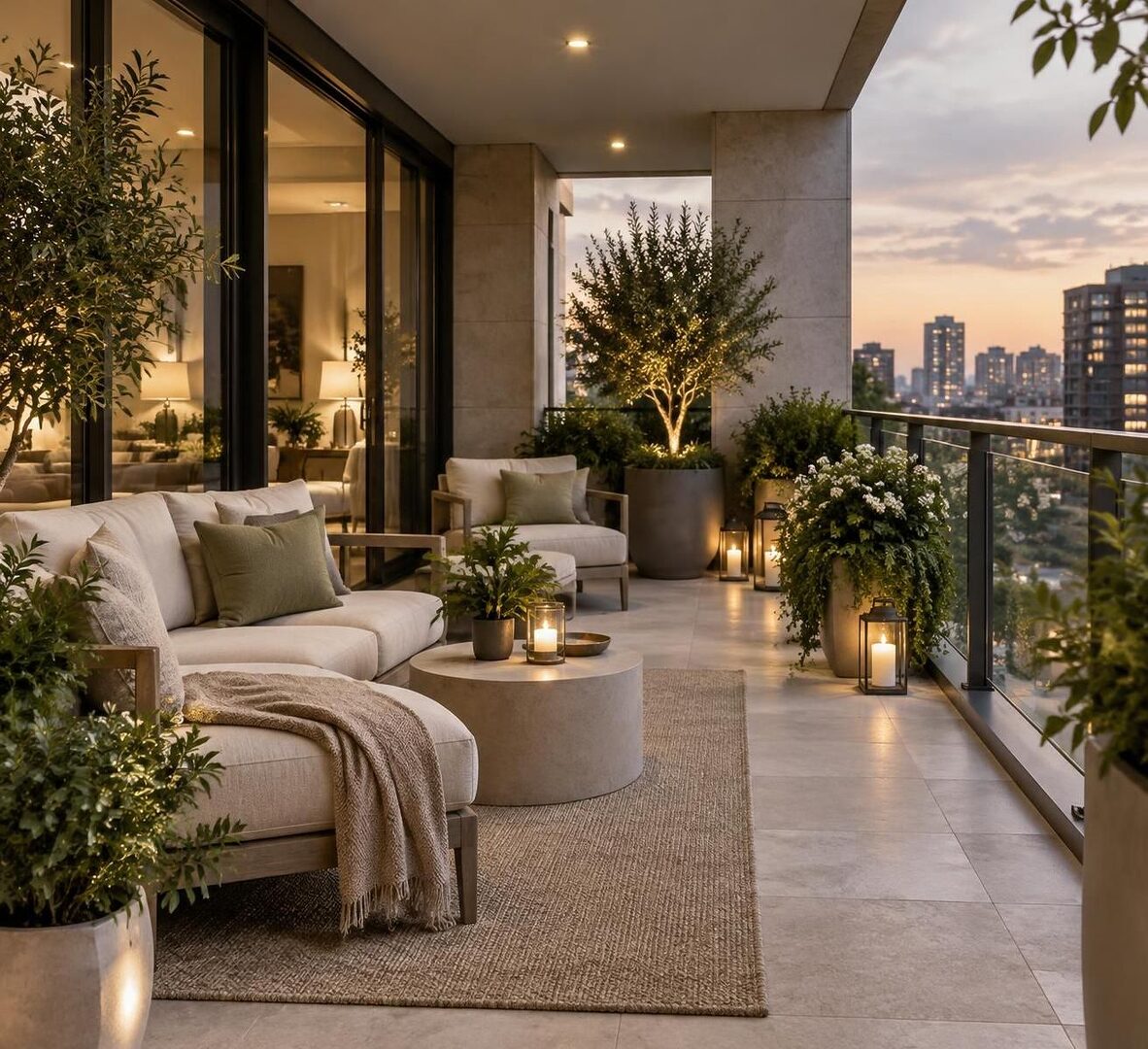
Use Balcony Landscaping to Create a Green Urban Oasis
Plants bring movement, shade, and softness to balconies dominated by glass, metal, and concrete. Effective balcony landscaping starts with the conditions the plants will actually experience: hours of direct sun, wind exposure, seasonal temperatures, and the amount of time available for watering. A plant that thrives in a sheltered garden may struggle on a high, exposed terrace. Local nurseries and extension resources can help identify varieties suited to the region and the balcony’s microclimate.
Rather than scattering pots across the floor, arrange greenery in layers. Taller plants can provide a focal point, medium-height pots can frame seating, and trailing varieties can soften a railing or shelf. Vertical planters make use of walls and corners, leaving more room for furniture. Herbs such as basil or rosemary can combine practical value with fragrance, provided their light and watering needs match the location.
Keep planting safe and manageable
Containers become significantly heavier when filled with wet soil and mature plants. Before installing large planters, hanging systems, or a living wall, confirm that the balcony and its attachments are suitable for the proposed load. Property rules may also restrict what can be fixed to railings or walls. Use secure containers designed for outdoor conditions, and ensure drainage does not stain or damage the façade or affect neighbors below.
A small balcony does not need a dense wall of foliage to feel green. One substantial, healthy plant can create a focal point, while a few smaller pots provide variety. Select containers with drainage and use saucers or managed drainage solutions where appropriate. If watering is likely to be overlooked, choose plants suited to the owner’s routine rather than relying on a complicated irrigation setup.
Balance privacy, views, and natural light
Plants can create a gentler sense of separation from nearby buildings, but blocking every sightline may make a balcony feel enclosed. Place taller greenery where screening is most useful and keep the view open in areas where light or scenery is a key asset. A trellis with a climbing plant can provide a vertical accent, while movable pots allow the arrangement to change as the seasons or needs shift.
Privacy screens and outdoor curtains can help in exposed settings, but they may be regulated by a homeowners association, building management, or local requirements. They also need to withstand wind without creating a hazard. Treat screening as a functional design decision: it should improve comfort while respecting the building and the people around it. The best urban oasis feels protected without becoming cut off from the outdoors.
Layer Ambient Lighting and Comfortable Outdoor Details
Lighting determines whether a balcony remains inviting after sunset. A single bright fixture can make the area feel stark, while several softer sources create depth. Consider a combination of a practical light near the door, a portable table lamp for reading or dining, and low-level accent lighting that highlights plants or architectural details. Warm-toned illumination generally supports a relaxed atmosphere, while task lighting should be bright enough for the activity.
Where fixed electrical work is involved, use a qualified professional and confirm that fixtures are rated for their location. Rechargeable lamps can offer flexibility where outlets are limited, and solar lights may suit areas with sufficient sunlight. Check product instructions and weather ratings rather than assuming every light marketed for outdoor use can withstand direct exposure. Candles and fire features require particular caution and may be prohibited by building rules or local fire-safety requirements.
Build comfort through texture and scale
Outdoor cushions, a durable rug, and a lightweight throw can soften hard surfaces and make a seating area feel more settled. Use a restrained palette to avoid visual clutter: a neutral foundation with one or two accent colors is often easier to maintain than a mix of competing patterns. The scale of each item matters. A generously proportioned lounge chair can feel inviting, but it should not prevent the balcony door from opening fully or block access to the railing.
Sound and scent can also shape the experience. A small herb arrangement may add fragrance; rustling leaves can provide a subtle natural note; and a compact water feature may suit some balconies if it is stable, weather-safe, and acceptable under building rules. These details should support the setting rather than introduce maintenance or noise concerns. Thoughtful sensory choices help make outdoor living restorative without demanding elaborate decoration.
Adapt the design to the building and neighborhood
Balcony decisions can affect more than appearance. Before attaching lights, screens, planters, or furniture to a railing, review the lease, association documents, and property guidelines. Requirements vary by building and location, so general design advice cannot replace the rules that apply to a specific home. In a condominium, a seemingly minor change may involve a shared exterior or require approval.
Architectural context can guide the finish choices. A sleek modern terrace may call for simple lines and restrained materials, while a historic property may suit warmer textures and more traditional forms. For inspiration on how design character relates to a building’s broader story, explore this overview of Belle Époque architectural details. A balcony feels most polished when its styling complements the home instead of competing with it.
Make a Modern Terrace Work in a Small Footprint
Compact balconies reward discipline. The temptation is to buy smaller versions of every item, but several undersized pieces can make the floor plan feel busy. A more effective approach is to choose fewer, purposeful elements: a comfortable chair or bench, a compact surface for a drink, and a limited number of plants. Open frames and visible floor beneath furniture can help the area feel less crowded.
Flexible furnishings are useful when needs change. A folding table can support a meal and disappear afterward; nesting tables offer extra surface space when guests arrive; and stackable stools can be stored when not in use. Wall-mounted or railing-mounted pieces may free floor area, but they require careful attention to secure installation and property rules. Avoid assuming that a railing is designed to support furniture or added weight.
Design for more than one everyday moment
A successful small balcony can serve different purposes at different times without becoming a complicated multipurpose room. A bistro table may work for breakfast, laptop use, and evening drinks. A storage bench can provide seating while keeping cushions out of view. If the main goal is reading, prioritize shade, a supportive chair, and a place to set down a book rather than forcing in dining furniture that will rarely be used.
Keep the door area and the path to the seating clear. This is particularly important where the balcony is narrow or where a door swings outward. Before buying, test the layout with temporary markers and imagine carrying a tray through the space. Comfort depends not just on the furniture itself but on how easily a person can move around it.
Refine the result with a short design checklist
Before completing a balcony makeover, review the design as a whole. Does each piece serve a clear function? Can rainwater drain freely? Are plants appropriate for the light and wind? Can cushions be stored or cleaned? Does the arrangement comply with building requirements? Answering these questions early can prevent avoidable repairs and help the investment last.
- Set one priority: Choose lounging, dining, gardening, or another primary use.
- Measure first: Account for door movement, walkways, and the furniture’s actual footprint.
- Match materials to conditions: Consider sun, rain, wind, and seasonal temperature changes.
- Use vertical space carefully: Add greenery or storage without creating unsafe attachments.
- Finish with restraint: Add a few considered accents rather than filling every surface.
For a broader look at how interior layouts can support connected indoor and outdoor living, these modern home design ideas offer useful context. A coherent palette and clear circulation can make a balcony feel related to the rooms inside, even when the architecture and furnishings differ. In a luxury balcony, thoughtful editing is often more persuasive than added ornament.
How can a small balcony look luxurious?
Choose a clear primary function, a few comfortable and well-proportioned furnishings, outdoor-rated textiles, and layered lighting. Keep the floor and walkway as open as possible, and use a restrained palette to create a composed appearance.
What flooring works well on a balcony?
Outdoor rugs, compatible interlocking deck tiles, and exterior-rated tile may all be appropriate, depending on the existing surface, drainage, exposure, and property rules. The floor must allow water to drain and should not conceal damage or create a slip hazard.
How can greenery be added without taking up much space?
Use railing planters or vertical arrangements where permitted, and select plants suited to the balcony’s sun, wind, and climate. Check attachment security, container weight, and drainage before installing them.
What should renters check before decorating a balcony?
Review the lease and building policies before attaching anything to walls or railings or changing the floor. Removable rugs, freestanding furniture, and portable lighting may be simpler options, but renters should still confirm applicable rules.

At 33 years old, I specialize as a Licensed Residential Real Estate Advisor and Property Market Analyst. With a deep understanding of market trends and client needs, I provide strategic insights and personalized guidance to help clients make informed real estate decisions.