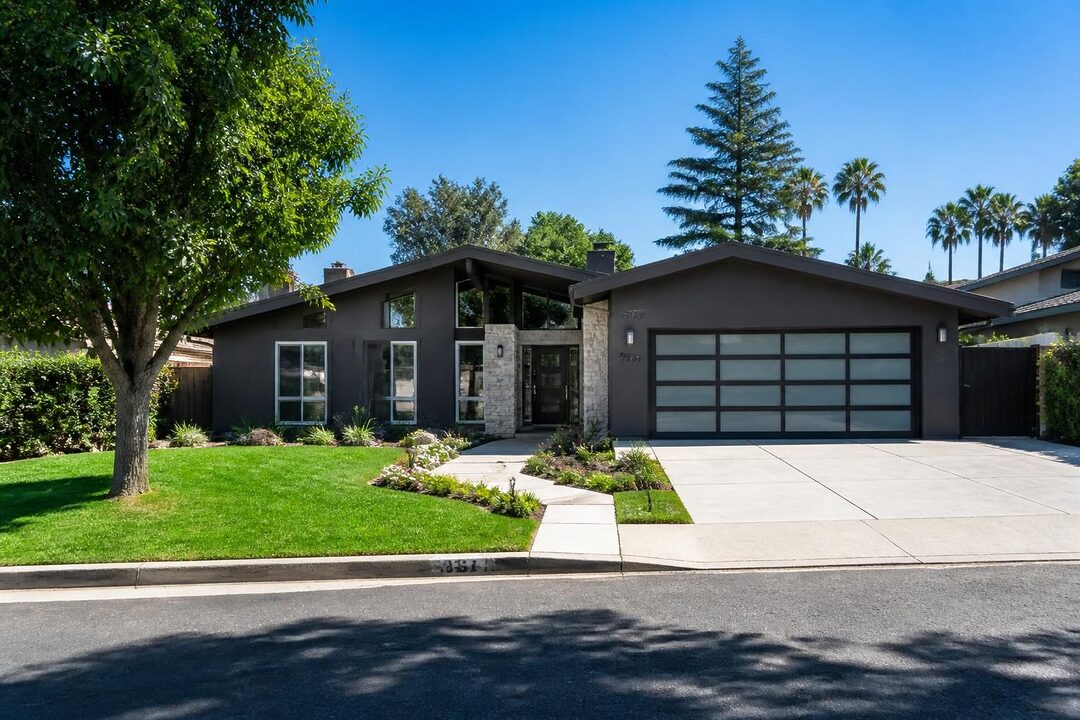
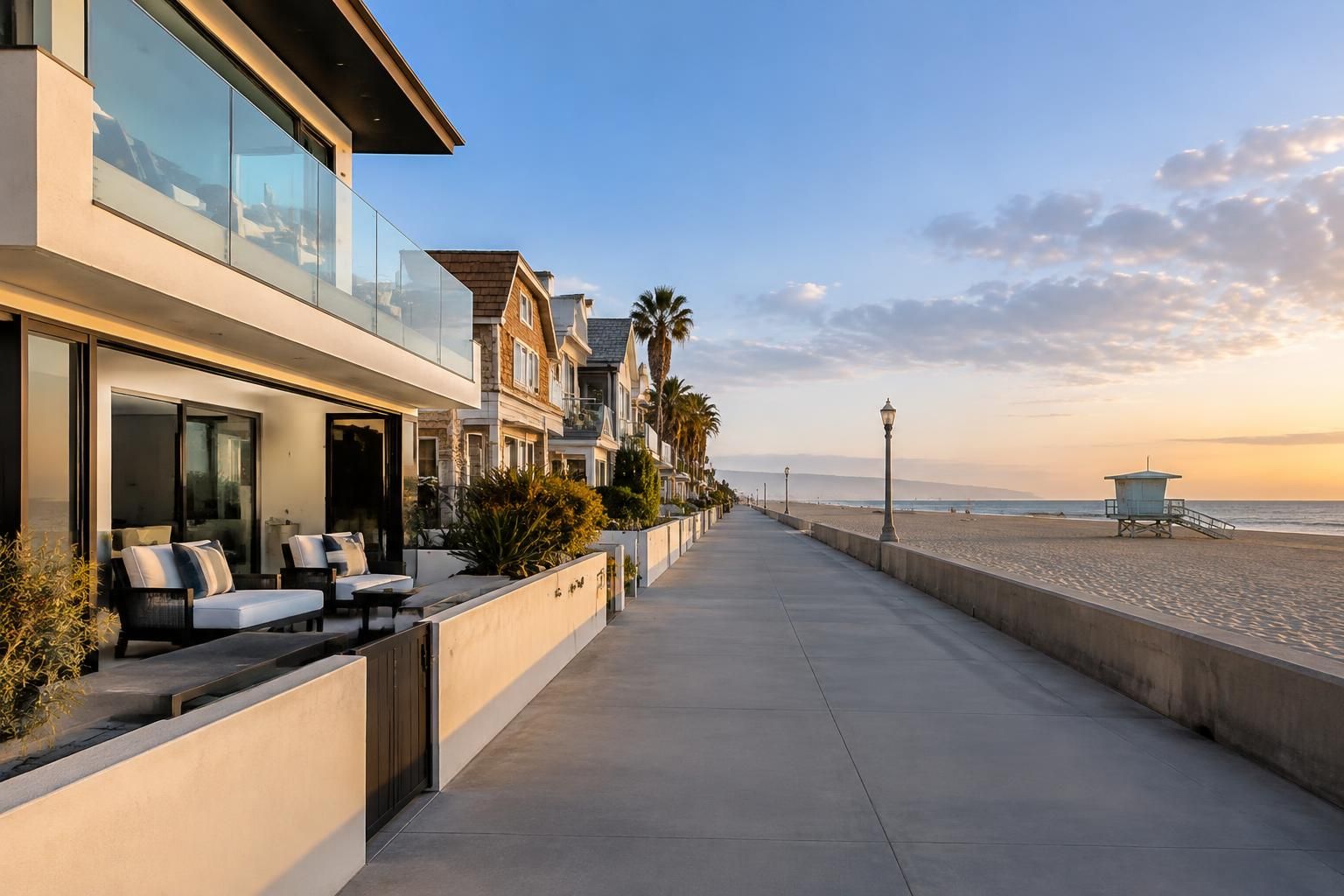
At 3500 The Strand, the appeal begins with a location: a Hermosa Beach address along a coastal route where the Pacific Ocean, public beach, and daily neighborhood life meet. For buyers researching this property, however, the address is only the starting point. Public real estate pages describe the home with conflicting details, including different reported living areas and bed-and-bath counts, so those figures should be checked against authoritative property records rather than treated as settled facts.
The broader setting helps explain why homes on The Strand attract attention. Beach access, ocean views, walkability, and the distinct coastal character of Southern California can shape both everyday use and real estate value. Yet beachfront living also calls for careful review of a property’s condition, legal records, insurance options, and exposure to coastal conditions. Understanding both the setting and the documentation makes it easier to assess what 3500 The Strand may offer—and what still needs to be verified.
In brief
- Location: 3500 The Strand is in Hermosa Beach, California, on a prominent coastal corridor beside the Pacific Ocean.
- Property details: Publicly displayed records differ on the home’s size and room count, so buyers should confirm information through official records and current disclosures.
- Lifestyle: The address offers proximity to the beach and a walkable coastal environment, with the practical trade-offs that come with a high-activity shoreline setting.
- Due diligence: Verify title, permitted improvements, condition, insurance availability, and any applicable coastal or local requirements before making a decision.
- Market perspective: A distinctive address can attract interest, but a sound valuation still depends on verified property facts and relevant comparable sales.
3500 The Strand, Hermosa Beach: What the Public Property Details Show
Address-based property pages can be useful for locating a home and identifying questions to investigate, but they are not a substitute for verified records. Search results for 3500 The Strand have described the property using different figures for interior area and different bed-and-bath counts. Some also classify it as a single-family residence, while others use broader or inconsistent property labels. Such differences may reflect separate data feeds, historical records, measurement methods, or errors in syndicated listings.
For a buyer, the practical response is to treat those figures as unconfirmed until they match reliable documentation. A county assessor’s record can help establish parcel and tax information, while a title report can clarify ownership and recorded interests. Building plans, permits, inspection reports, and seller disclosures may help explain the home’s actual configuration and the history of alterations.
Online pages also show historical references that do not necessarily tell the full story of ownership or present status. For example, a past sale entry may relate to an earlier transaction, while a property page marked “off market” simply indicates that the site does not show an active listing. Neither label, by itself, confirms whether a home is currently available, what it would sell for, or whether a displayed estimate is dependable.
Why reported square footage can differ
Living-area figures may vary when sources use different measurement standards or draw from records created at different times. A listing may include or omit certain spaces, while public records may not reflect a permitted renovation or may classify an area differently. Even where a home’s overall footprint is clear, a buyer should ask how the reported interior area was measured and whether it aligns with the appraisal and permit history.
Consider a hypothetical buyer comparing two Strand-area homes. If one online portal reports 2,868 square feet and another reports 3,580, calculating a price per square foot from either number could produce a misleading result. The better approach is to resolve the discrepancy, then compare the property with recent sales that are similar in location, condition, lot characteristics, and legal use.
The essential first step is separating confirmed property facts from online descriptions. On a distinctive coastal address, accurate records are the foundation for every later judgment about value, renovation, or suitability.
The Strand Lifestyle and Beachfront Living in Hermosa Beach
The Strand is a defining feature of Hermosa Beach’s coastal environment. It runs beside the beach and is used by residents and visitors moving through the shoreline area, so an address here can provide an unusually close connection to outdoor recreation and the Pacific Ocean. Depending on the home’s orientation and sightlines, ocean views may be part of the experience, but the view from a specific room or outdoor space must be confirmed in person rather than assumed from the address alone.
For some households, the attraction is the ability to build everyday routines around the coast. A resident might take an early walk along the beach, return home for work, and meet friends nearby in the evening. That pattern can make a coastal location feel less like a vacation setting and more like a practical home base. The appeal is particularly strong for buyers who value walking, outdoor activity, and a neighborhood atmosphere shaped by the shoreline.
There are trade-offs to consider. A popular beach corridor can experience more pedestrian activity, seasonal visitor traffic, and less privacy than a quiet inland street. Buyers should visit at different times of day and, where possible, on both weekdays and weekends. A calm morning showing may not reveal the sound levels, parking conditions, or foot traffic that matter during busier periods.
How to assess the daily experience
When evaluating beachfront living, focus on how the property works for the people who will use it. A household with young children may prioritize safe access routes, storage for beach equipment, and durable interior finishes. Someone who works from home may pay closer attention to street activity, room placement, and whether a quiet office can be separated from shared living areas.
A useful visit includes more than a quick look at the living room. Walk the nearby route to the beach, note how residents and visitors move along the corridor, and check the location of entrances, parking, and outdoor areas. If the property is being considered as a long-term residence, ask how maintenance needs have been managed and how coastal exposure may affect exterior materials over time.
Hermosa Beach’s coastal charm is not just a view; it is a pattern of access, movement, sound, and neighborhood use. The most realistic assessment comes from imagining an ordinary Tuesday as well as a sunny weekend.
A video can provide a broad visual impression of the shoreline, but it cannot establish the condition, privacy, or outlook of a particular home. Use it to understand the neighborhood context, then confirm property-specific details through an in-person visit and professional review.
Evaluating Luxury Real Estate at 3500 The Strand
Homes on a coastal address are often discussed as luxury real estate, but the label does not determine whether a particular asking price is reasonable. A credible valuation starts with comparable sales—properties that have sold recently and share meaningful features with the subject home. For 3500 The Strand, relevant factors may include the home’s verified living area, lot configuration, condition, permitted improvements, view, parking, and exact relationship to the beach.
In a small coastal market, two properties that look similar in a listing photograph may differ substantially in function or legal status. One might have updated systems and documented improvements; another might need significant work or have additions that require further review. A buyer should therefore look beyond headline square footage and compare the actual utility, condition, and documentation of each home.
Historical sale records can add context, but an older transaction is not a current valuation. Real estate values change with market conditions, property improvements, financing costs, and buyer demand. A past sale reported for the address should be interpreted according to its date and circumstances, not carried forward as a present-day price estimate. In the same way, an automated estimate is a screening tool, not an appraisal or a guarantee of what a willing buyer will pay.
A practical comparison framework
| Factor to review | Why it matters | Useful verification |
|---|---|---|
| Living area and layout | Reported size can affect comparisons, but functionality matters alongside square footage. | Appraisal, plans, measurements, and public records |
| Lot and access | Coastal parcels may have distinctive boundaries, access patterns, or usable outdoor space. | Current survey, title materials, and on-site review |
| Condition and improvements | Deferred maintenance or unverified alterations can affect cost and future plans. | Inspection reports, permits, disclosures, and contractor estimates |
| Comparable sales | Recent nearby transactions help put a proposed price in local context. | Verified closed sales with similar features and timing |
| Insurance and ongoing costs | Availability, coverage terms, and maintenance affect the total ownership picture. | Quotes and written guidance from relevant providers |
For example, a buyer comparing 3500 The Strand with an inland home should not focus only on the difference in price. The coastal property may offer a location and outlook that the inland alternative cannot provide, while the inland home may involve different maintenance, privacy, or insurance considerations. A useful comparison makes those trade-offs explicit rather than forcing both homes into a single price-per-square-foot calculation.
Value is best understood as a relationship between verified property characteristics, current comparable sales, and the buyer’s intended use. That approach is more reliable than treating a prestigious location as proof of a particular price.
Coastal Property Due Diligence: Records, Condition, and Risk
Coastal ownership can involve additional questions beyond those asked about a typical inland home. Salt air, moisture, sun exposure, and wind can influence the condition and maintenance needs of exterior elements. The degree of exposure varies by property, construction, and upkeep, so general observations should lead to an inspection rather than a presumption that a particular home has a defect.
A qualified inspector can assess visible systems and identify areas that merit further review. Depending on findings, a buyer may want additional evaluations from specialists familiar with roofing, drainage, structural components, or other relevant systems. Inspection scope and access should be coordinated through the transaction process, and the appropriate professionals depend on the property’s construction and condition.
Insurance deserves early attention. Availability, coverage, exclusions, and cost can vary by insurer, location, property characteristics, and the applicant’s circumstances. Buyers should request information directly from insurance providers and review policy terms rather than relying on assumptions based on neighboring homes. Flood-related exposure and coverage questions should also be evaluated using authoritative mapping and insurer guidance where relevant.
Permits, title, and local requirements
Before planning a remodel or relying on an existing feature, confirm what has been permitted and what rules may apply. Local requirements can depend on the property, project scope, and current regulations. A room addition, exterior change, or structural alteration should not be assumed to be approved merely because it appears complete or is mentioned in an online listing.
Title and survey review can clarify boundaries, recorded easements, access rights, and other matters that may affect use. In a shoreline setting, buyers should ask their real estate and legal professionals which records are relevant to the parcel and whether any recorded conditions merit specialized review. The details are property-specific, and requirements can vary by jurisdiction and project.
A careful due-diligence checklist may include:
- Confirm the parcel identity, ownership information, and recorded interests through appropriate title and public-record sources.
- Reconcile living-area, room-count, and lot information across reliable documents.
- Review permits and available plans for additions or material renovations.
- Arrange inspections suited to the home’s age, condition, and construction.
- Obtain insurance information and examine policy terms before removing relevant contingencies.
- Check with local authorities or qualified professionals about rules that could affect planned work.
These steps do not eliminate every uncertainty, but they make the decision more informed. For a home in a high-profile coastal location, disciplined verification is part of the value analysis—not a formality after it.
The neighborhood’s visual appeal is only one part of a real estate decision. Records, inspections, financing, and insurance help determine whether a property’s practical realities fit the buyer’s plans.
Making a Well-Informed Decision About 3500 The Strand
Interest in 3500 The Strand can come from several kinds of buyers: a household seeking a full-time coastal residence, a purchaser considering a second home, or an investor evaluating a property’s potential. Each has a different decision framework. A full-time resident may prioritize daily convenience and maintenance; a second-home buyer may focus on access and periods of personal use; an investor needs to evaluate costs, permitted uses, and realistic income assumptions without treating location alone as proof of returns.
Financing also shapes what a buyer can responsibly consider. A lender may review the property, borrower qualifications, appraisal, and loan terms, and requirements differ among lenders and loan products. Buyers should obtain current information from their lender about preapproval, down payment, closing costs, reserves, and any property-specific conditions. A coastal home’s price is only one part of the total ownership budget.
When a property is not actively listed, public pages may still display photos, estimates, or older sale information. Those materials can help frame initial research, but they do not establish that the owner is selling or that the details are current. A buyer should rely on verified listing status and transaction documents before making plans around availability.
Match the property to a specific use
A useful way to test fit is to describe a normal week, not an ideal holiday. Where will household members work or study? How will groceries, parking, and equipment storage function? Are visitors comfortable with the area’s activity level? What maintenance projects would be acceptable, and what recurring costs need to fit the budget? These questions translate the abstract idea of coastal charm into a practical ownership picture.
Imagine a couple who loves being close to the ocean but expects to work remotely several days each week. They might value the location yet discover that the home’s layout, noise conditions, or available workspace do not suit their routine. Another buyer could place less weight on quiet and more on walking access. Neither preference is inherently better; the important point is to compare the home with actual needs rather than a generalized image of Southern California living.
Because online details for the address are inconsistent, the best next step in any serious evaluation is a fact-checking sequence: establish the property’s verified identity and status, confirm physical and legal characteristics, evaluate condition, then compare it with appropriate market evidence. This sequence keeps an appealing location from overshadowing the information that determines whether the purchase makes sense.
The Strand can offer a distinctive coastal setting, but a sound decision about 3500 The Strand depends on verified facts, realistic costs, and a clear understanding of how the property would function day to day.
Questions Buyers Commonly Ask About 3500 The Strand
Where is 3500 The Strand located?
The address is in Hermosa Beach, California, along The Strand, a coastal corridor beside the Pacific Ocean. Confirm the exact parcel and current property status through reliable public records and current listing information.
Are the online bedroom, bathroom, and square-footage figures consistent?
No. Public property pages show differing figures for the home’s size and room count. Buyers should verify those details using authoritative records, plans, appraisal information, permits, and transaction disclosures.
Does the address guarantee ocean views?
No. The address places the property in a coastal setting, but the view from particular rooms or outdoor areas depends on orientation, sightlines, structures, and other site-specific factors. Confirm views in person.
What should buyers check before purchasing a Strand property?
Review title and parcel information, permits, property condition, insurance availability and terms, applicable local requirements, and comparable sales. The right scope of review depends on the home and the buyer’s plans.

At 33 years old, I specialize as a Licensed Residential Real Estate Advisor and Property Market Analyst. With a deep understanding of market trends and client needs, I provide strategic insights and personalized guidance to help clients make informed real estate decisions.