Creating a comfortable home with a terrace designed for relaxing moments has become a top priority for homeowners seeking to blend indoor comfort with outdoor leisure. The modern approach to terrace design emphasizes not only aesthetic appeal but also functionality, comfort, and a seamless connection to nature. Terraces today serve as key leisure spaces, inviting residents to unwind, entertain, or simply enjoy a breath of fresh air without leaving their home environment. Achieving this balance requires a thoughtful selection of outdoor furniture, ambient lighting, and integration of natural elements that set the stage for a cozy atmosphere tailored to personal habits and lifestyles.
Outdoor furniture plays a crucial role in shaping the terrace experience. It is no longer about filling a space with decorative pieces but crafting an inviting environment that encourages prolonged relaxation and social gatherings. Embracing natural materials, such as wood or woven fibers, alongside warm, soft textiles, enhances the connection between the home’s interior and its garden terrace. Furthermore, the use of adaptable seating arrangements and flexible layouts accommodates different activities throughout the day, from serene mornings to lively evening get-togethers. This approach ensures the terrace is not just an auxiliary space but a vital extension of the home’s comfort and design ethos.
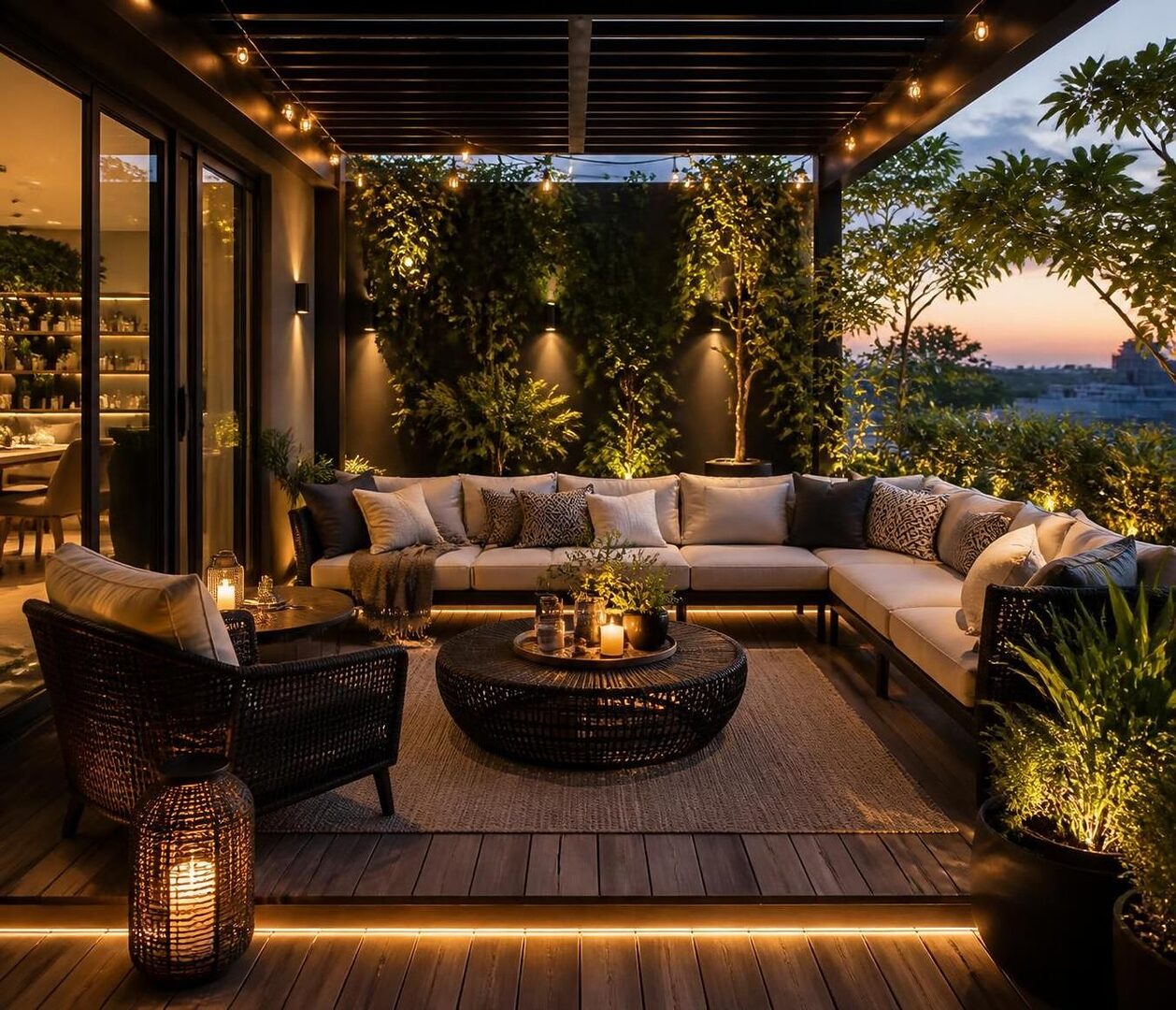
Ambient lighting is another pivotal aspect when transforming a terrace into a comfortable home setting. Soft, warm light sources—like LED strip lighting under benches or subtle string lights overhead—can immediately infuse a sense of calm and intimacy as daylight fades. Such lighting choices amplify the terrace’s usability during evening hours, providing an inviting backdrop for relaxed conversations or quiet reading sessions. Complementing light with greenery and natural elements further softens the environment, creating a sanctuary that promotes mental wellbeing and tranquility. Modern terrace designs acknowledge these factors, often incorporating shaded areas and ventilation solutions to maximize usability and comfort regardless of weather conditions.
Contemporary homeowners increasingly value terraces as personal retreats that integrate lifestyle, family needs, and outdoor enjoyment. Whether nurturing a garden terrace with lush plants or creating a minimalistic lounge with ergonomic furniture, the ultimate goal remains constant: fostering a peaceful and comfortable environment that encourages rest and rejuvenation. For those exploring upscale outdoor living, resources like how to design luxury outdoor spaces for ultimate relaxation can offer valuable insights into elevating terrace designs to the next level.
As residential trends evolve, terraces no longer simply complement homes; they transform the way families live and enjoy their space. By integrating thoughtful outdoor furniture choices, ambient lighting, and natural elements thoughtfully aligned with individual needs, homeowners create not only a terrace but a reliable daily refuge. This evolution within home decor signifies a broader shift toward valuing leisure space as essential to comfortable living, underscoring how outdoor environments deeply impact lifestyle quality and overall wellbeing.
Designing a Terrace as a Functional Leisure Space with Comfortable Home Elements
A terrace serves as an invaluable leisure space that should balance comfort, functionality, and style. In many urban or suburban environments where outdoor space is limited, optimizing a terrace design means making smart furniture selections and creating a cozy atmosphere that invites use throughout the day. A critical first step is assessing how the terrace will complement the home’s interior living space, fostering an organic flow between environment and activity.
Comfort begins with the choice of outdoor furniture. Modular sectionals provide versatile seating that can be customized depending on the size and orientation of the terrace. These pieces support both lively social gatherings and relaxed solitary moments. Moreover, selecting weather-resistant materials such as treated teak or high-quality synthetic fibers ensures durability without compromising aesthetics. For small terraces, built-in wooden benches or folding chairs help maximize usable space while maintaining visual openness.
Beyond furniture, incorporating ambient lighting enhances usability and mood. Strategically placed lights, such as subtle LED strips beneath benches or warm-toned string lights overhead, create an outdoor atmosphere conducive to relaxation and convivial evenings. Avoiding harsh spotlights prevents glare, emphasizing instead an inviting glow that highlights natural elements like plants or wood textures. These lighting choices also contribute to the safety and practicality of after-dark use.
Natural elements are essential in developing a relaxing terrace ambiance. Lush greenery softens hard edges and brings movement and fresh air to the space. Potted ferns, palms, or climbers can visually expand the terrace and offer privacy, serving as natural screens. Integrating natural textures in cushions, rugs, and decor items further deepens the sensory connection to the outdoors, encouraging frequent use.
Finally, shading solutions are indispensable for making leisure spaces comfortable for extended periods. Depending on the terrace’s orientation, installing pergolas with climbing vines, cantilever umbrellas, or retractable awnings ensures protection from intense sunlight. These options also create a sense of enclosure and intimacy, allowing the terrace to function as a true extension of the home’s comfort zone while adapting to changing weather.
Prioritizing Comfort in Outdoor Furniture for Relaxing Moments on Your Terrace
Encouraging comfortable, leisurely moments outdoors starts with selecting the right outdoor furniture that facilitates rest and social interaction. Many homeowners mistakenly opt for aesthetically pleasing furniture that sacrifices practicality, making the terrace less usable and inviting. Functionality should guide the investment, ensuring the outdoor furniture supports typically intended activities such as reading, dining, or casual conversation.
A diverse range of furniture styles meet different lifestyle needs. For instance, modular outdoor sectionals offer laid-back flexibility with individual pieces that can be arranged or expanded based on occasion. Their plush cushions invite hours of lounging while weatherproof fabrics resist fading and moisture. Alternatively, built-in wooden benches anchored along terrace edges free floor space and lend architectural cohesion to the seating area. Completing these options with soft cushions enhances comfort substantially.
For smaller terraces or balconies, compact bistro sets and lightweight folding chairs create intimate, multipurpose areas without sacrificing mobility or space. The key is balancing proportion with comfort, ensuring each piece serves a practical purpose while contributing to the terrace’s overall cozy atmosphere. Floor cushions and bean bag loungers introduce casual, informal seating that is both lightweight and comfortable, perfect for relaxing or informal entertaining.
Material choice greatly influences comfort and durability. Teak remains a perennial favorite among outdoor furniture materials due to its natural oils that resist rot, insects, and moisture. Rattan and wicker provide warm textural contrasts, blending classic style with a natural feel. Synthetic weaved fibers often outperform natural versions in weather resistance, making them ideal for year-round outdoor use.
Adapting seating to the intended use of the terrace is crucial; this often means creating distinct zones—a dining area for meals and conversation, a lounging area for unwinding, or a smaller, secluded space for solitary reflection. Accessories like weather-resistant cushions, soft throws, and versatile rugs add layers of comfort and style, completing the transformation of your terrace into a home extension optimized for relaxation.
Creating a Cozy Atmosphere by Using Ambient Lighting and Natural Elements on Your Garden Terrace
Ambient lighting and natural elements work in tandem to forge a cozy atmosphere that defines the character of a garden terrace. Proper illumination not only makes the space functional after dusk but also establishes a mood conducive to relaxation and socializing. Overhead string lights, lanterns, and recessed lighting along planters or benches provide layered lighting effects that create a welcoming glow without overwhelming the senses.
The choice of lighting should prioritize warmth and softness to avoid harsh glares. LED lighting technology permits energy-efficient solutions with customizable brightness and tone, ideal for tailored outdoor experiences. Additionally, solar-powered lights provide sustainable options for enhancing outdoor spaces while minimizing environmental impact. Use of indirect lighting under furniture or steps also promotes safety and a gentle ambiance simultaneously.
Natural elements serve to harmonize the terrace with its surroundings, creating a sense of sanctuary. Plants are fundamental, offering greenery that refreshes the visual environment and cleans the air. Incorporating a variety of planters with diverse species—from tall leafy palms to cascading vines—adds depth and texture. The sensory experience is heightened with aromatic plants like lavender, rosemary, or jasmine that stimulate relaxation through scent.
Materials such as wooden decking, bamboo accents, and woven fabrics echo the natural theme, grounding the terrace in organic textures. Their tactile qualities invite touch and foster a connection to the environment. Maintaining visual simplicity and avoiding overcrowding helps sustain a feeling of tranquility, allowing each element space to be appreciated. Thoughtful curation of natural features alongside carefully chosen ambient lighting transforms the terrace into a true haven for comfortable home living.
How to Manage Sunlight and Temperature to Maximize Comfort on Your Terrace
Managing sunlight and temperature is vital for creating a terrace that remains comfortable throughout the day and across seasons. Exposure to direct sunlight can quickly turn an inviting outdoor space into a source of discomfort. Strategic shading solutions protect users from heat and glare, extending terrace usability from morning through late afternoon.
Popular shading techniques include installing pergolas covered with retractable fabric, cantilever umbrellas that offer adjustable coverage, or natural shade from tall plants and trellises. These elements provide opportunities for customization according to the terrace’s size, orientation, and architectural constraints. Shade structures not only serve functional purposes but enhance the terrace design, contributing to a cozy atmosphere and a sense of enclosure.
Air circulation is equally important. Good ventilation counters heat buildup, maintaining fresh air and reducing humidity levels. In urban environments where space is limited, lightweight curtains and light fabrics gently billowing with the breeze add softness while improving airflow. Incorporating fans or strategically placed vents can also enhance comfort during hot weather.
Cooler evenings invite additional layers, such as outdoor blankets or insulated throws, allowing continued enjoyment of the terrace when temperatures drop. Heating options, such as fire pits or patio heaters, provide warmth and become focal points around which family and friends can gather. These features transform terraces into versatile spaces that support leisure activities year-round.
Understanding how to regulate sunlight and temperature on your terrace is crucial for crafting a leisure space that truly feels like an extension of your indoor comfort zone. For homeowners considering complex multi-level spaces, exploring architectural solutions in two-storey house designs can provide additional perspectives on how terraces integrate with overall home comfort.
Utilizing Space Wisely: Ideas for Small Terrace Design to Encourage Relaxing Moments
Small terraces, often found in urban residences, require intelligent design strategies to become viable leisure spaces that offer a comfortable home experience. Limited square footage mandates prioritizing essential outdoor furniture pieces and creating flexible layouts that accommodate changing needs. The goal is to foster a cozy atmosphere without overcrowding, making the most of every inch.
Key tactics include selecting foldable or stackable furniture that can be stored away when not in use, thus freeing up space. Lightweight pieces such as wicker bistro sets or Acapulco chairs, recognized for their airy design and colorful presence, enhance the terrace without overwhelming it. Choosing light color palettes for cushions and decor amplifies natural light and visually enlarges the space.
Using vertical space smartly, through wall-mounted planters, hanging lanterns, or shelves for potted herbs or flowers, adds greenery and ambiance while leaving floor space uncluttered. Textiles like outdoor rugs and cushions introduce softness and warmth, essential for a relaxing environment.
Maintaining flexibility in arranging furniture is also vital. Modular pieces that can be reconfigured easily help transition the terrace from a morning coffee nook to an evening social hub. Lighting can be layered with portable lamps or solar lights to adjust mood and brightness levels according to activity and time of day.
The following table outlines some practical furniture and decor options tailored specifically for small terraces:
| Furniture Type | Advantages | Space Suitability | Suggested Use |
|---|---|---|---|
| Folding Wooden Chairs | Space-saving, easy storage | Small terraces, balconies | Flexible seating for gatherings |
| Wicker Bistro Set | Lightweight, stylish | Compact areas | Casual dining or reading corners |
| Acapulco Chairs | Breathable, colorful design | Small, open terraces | Relaxed lounging or single seating |
| Floor Cushions and Bean Bags | Casual, comfortable, movable | Any size terrace | Informal seating or nap zones |
| Hanging Swing Chair | Space-efficient, playful | Terraces with sturdy supports | Cozy reading or relaxation nook |
Implementing these suggestions in a well-thought-out way can significantly amplify outdoor leisure quality on a limited terrace, contributing to a comfortable home lifestyle. Small terraces can indeed become powerful retreats, particularly when thoughtfully appointed with functional furniture and personal touches. For inspiration on transforming space, see resources related to three-storey house design ideas which often include innovative terrace layouts.
What are the best materials for durable outdoor furniture?
Materials like treated teak, powder-coated aluminum, and synthetic wicker are highly durable and weather-resistant, ensuring long-lasting furniture that maintains comfort and aesthetic appeal.
How can I create privacy on my terrace without compromising openness?
Using tall plants, privacy screens, or latticework with climbing vines can provide seclusion while maintaining an open, natural feel on your terrace.
What lighting options are recommended for a cozy terrace atmosphere?
Warm LED string lights, lanterns, and indirect lighting under benches or pathways create soft, inviting illumination conducive to relaxing moments outdoors.
How can I optimize a small terrace for different daily uses?
Choose versatile, lightweight furniture that can be rearranged, use foldable pieces, layer lighting, and incorporate vertical gardening to adapt the space for varying needs throughout the day.
What are effective ways to manage heat and sun exposure on outdoor terraces?
Install adjustable shade structures like pergolas, umbrellas, or retractable awnings, coupled with good ventilation methods such as fans or light curtains to maintain a comfortable temperature.

At 33 years old, I specialize as a Licensed Residential Real Estate Advisor and Property Market Analyst. With a deep understanding of market trends and client needs, I provide strategic insights and personalized guidance to help clients make informed real estate decisions.