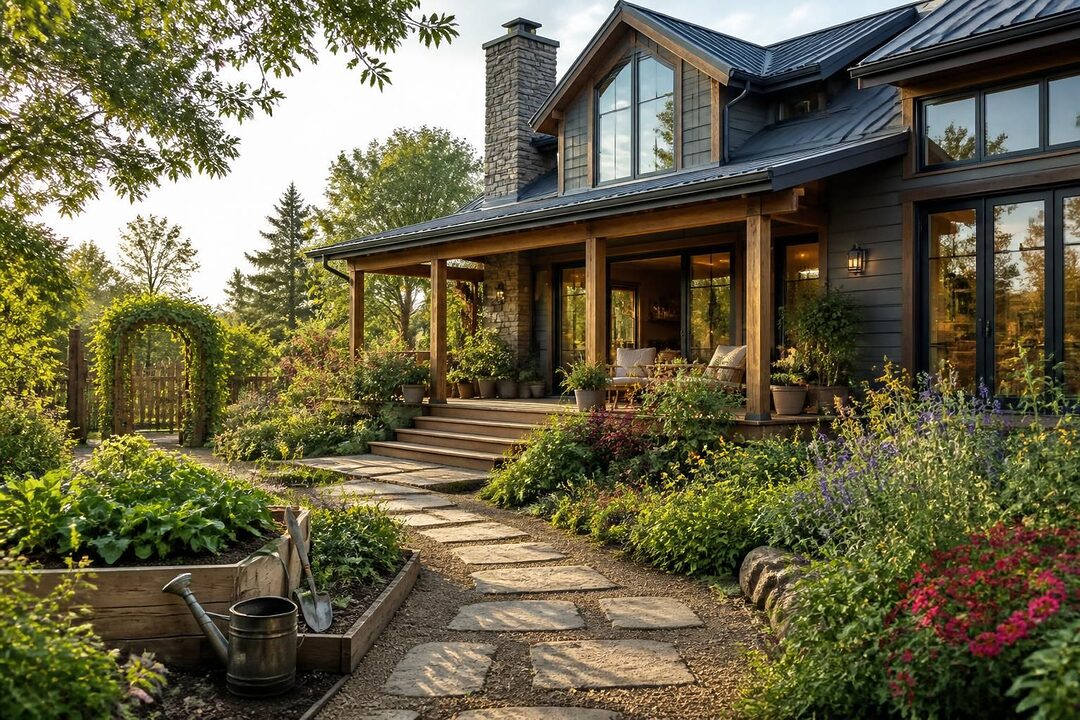
As sustainable living reshapes the residential landscape, building a cool house in 2026 offers an integration of advanced technology, energy efficiency, and climate-responsive architecture. Homeowners increasingly prioritize houses that not only boast modern design but also align with environmental values and provide long-term comfort and resilience. This paradigm shift means that homebuyers are thinking beyond just aesthetics; they consider how a home performs in real-world conditions, its ability to reduce waste, and how it contributes to healthier, smarter living environments.
Data from the National Association of Home Builders shows a strong upward trend in green elements incorporated in new homes, emphasizing the rise in demand for smart home technology and innovative materials. Whether building from scratch or retrofitting an existing residence, these cool houses leverage climate-adaptive designs and cutting-edge systems, positioning homeowners to enjoy lower energy costs, enhanced indoor air quality, and greater protection against increasingly unpredictable environmental stressors.
In urban infill spaces or rural retreats alike, the focus on building benefits that improve quality of life has led to spaces thoughtfully planned to optimize natural light, improve spatial efficiency, and incorporate sustainable materials. The seamless fusion of these elements results in homes that exemplify what future construction means for the average American homeowner—responsible, comfortable, and intelligent. This trend emphasizes the new definition of luxury, rooted in sustainability and long-term value rather than mere size or style.
The following sections dissect the multifaceted benefits of building a cool house in 2026, exploring foundational principles, innovative strategies, technological integrations, and practical considerations for homeowners eager to stay ahead in the evolving housing market.
In brief:
- Energy-smart design with high-performance insulation and solar integration significantly cuts utility costs and environmental impact.
- Climate-resilient architecture, including wildfire-resistant materials and passive solar orientation, enhances durability and occupant safety.
- Smart home technology in 2026 goes beyond convenience to automate comfort, air quality, and energy optimization seamlessly.
- Sustainable living merges aesthetic appeal with functional innovations such as low-VOC finishes and responsibly sourced natural materials.
- Collaborating with experienced builders ensures quality, adherence to emerging codes, and access to incentives supporting green construction.
- Long-term monitoring and adaptive systems secure lasting home performance and resilience amid changing environmental conditions.
Integrating Climate-Resilient Architecture and Energy Efficiency in Cool House Design
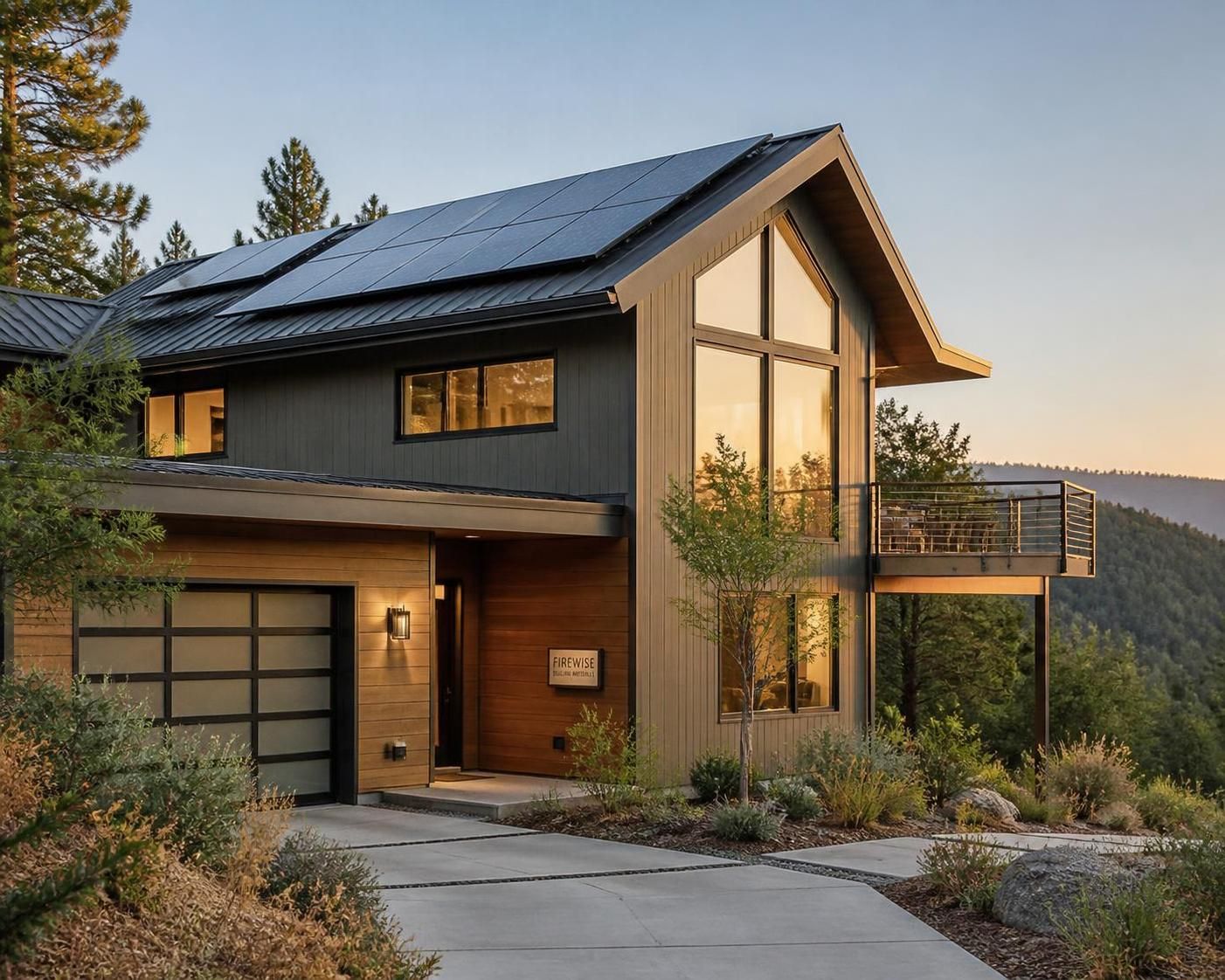
Climate-resilient architecture is at the heart of the cool house movement. In 2026, homeowners face increased demand for residences that respond intelligently to heat waves, floods, wildfires, and other climate-related threats. By integrating design principles that prioritize passive solar gain, thermal mass, and shading strategies, cool houses optimize natural heating and cooling, drastically reducing energy consumption. A key consideration is the building envelope — comprised of fire-rated cladding, continuous high-R insulation, and window systems engineered to minimize heat transfer.
For example, the ASTM E2912-compliant wildfire-resistant siding is gaining prominence in fire-prone regions. Incorporating such durable, ember-resistant materials can not only protect the structure but may also lower insurance premiums, with California homeowners seeing discounts up to 22%. Beyond safety, this approach guarantees longevity while maintaining design flexibility. Combining these features with high-performance, triple-glazed windows featuring low-E coatings yields a sealed environment that maintains steady indoor temperatures year-round while enhancing natural light.
Energy-smart design extends to the integration of renewable energy, particularly solar photovoltaic systems, which many 2026 cool houses include as a standard feature. Pre-wired conduits for future photovoltaics, battery storage, and electric vehicle charging comply with National Electrical Code Article 706, ensuring smooth system upgrades as technology advances. Some luxury custom builds even incorporate geothermal heating and advanced rainwater collection systems, reflecting modern design’s holistic view on environmental stewardship.
Moreover, zoning strategies that allocate distinct acoustical and mechanical zones, such as master suites separated from home offices or common spaces, optimize thermal comfort and reduce HVAC loads. Such right-sized spatial planning, common in barndominiums and modern cottage retrofits, supports efficient mechanical system sizing, translating into reduced energy waste and mechanical complexity. This approach also contributes to a calmer living environment by limiting noise transfer between zones.
Understanding these elements of climate-resilient architecture helps homeowners evaluate the building benefits of a cool house, supported not just by certifications but by tangible outcomes like up to 30% lower annual energy costs in hot, humid climates. Integrating these principles early in the design phase aligns well with budget management since delaying upgrades or relying on add-ons rarely provides the same return on investment.
Smart Home Technology as a Core Element of Future Construction
Smart home technology in 2026 transcends the basic smart thermostat or voice-activated light bulb. The cool house concept incorporates self-managing systems that use embedded sensors, AI-driven local edge computing, and interoperable platforms like Matter 1.3 to orchestrate climate control, lighting, security, and water usage automatically. These systems continuously analyze occupancy patterns, weather forecasts, and utility pricing to adjust home settings in real time, significantly reducing manual user intervention.
The shift towards integrated control layers over standalone gadgets is essential to ensure reliability and cybersecurity compliance, such as UL 2900-2-2 certification. For instance, AI-driven HVAC systems can pre-cool or pre-heat spaces based on predictive models, optimizing comfort without wasting energy. Motorized blinds automatically adjust to prevent solar overheating, while demand-controlled energy-recovery ventilation units (ERVs) adapt ventilation rates to maintain air quality per ASHRAE Standard 62.2.
Some common homeowner feedback highlights how these features improve daily living—quotes include how maintaining 45% relative humidity in extreme climates enhances comfort and health, and how autonomous systems reduce cognitive load by managing routine tasks silently in the background. However, the complexity of these systems demands certified installers and thorough commissioning to avoid interoperability issues that still occasionally arise with legacy appliances.
Utility providers also increasingly participate by offering time-of-use rate structures and grid-responsive platforms that enable smart homes to adjust consumption dynamically. This grid-interactive capability fosters increased resilience and may unlock additional incentives or savings opportunities for homeowners invested in environmentally friendly practices.
The benefits extend beyond energy savings to long-term durability. For example, smart monitoring systems alert owners to maintenance needs such as filter replacements or duct leakage, reducing costly repairs and preserving system performance. As technology matures, compatibility with a range of devices through open standards empowers homeowners to customize functionality without vendor lock-in.
Choosing Innovative Materials and Sustainable Living Practices for Lasting Value
A cool house in 2026 embodies sustainability by combining elegant aesthetics with responsible resource use. Material selection plays a critical role in achieving this balance. Natural stone like granite and limestone offers durability and timeless appeal, while sustainably harvested woods certified by the Forest Stewardship Council (FSC) provide warmth and character. Low-VOC paints and finishes contribute to healthier indoor air quality, especially beneficial for families with children or residents sensitive to chemicals.
Innovative materials also extend to high-performance insulation made from foam or mineral wool, delivering superior thermal performance that complements triple-glazed window units. These combined elements block drafts, reduce heat loss in winter, and prevent heat gain in summer. Sustainable roofing solutions, as detailed in guides covering modern roof design essentials, also factor heavily into extended building life and energy efficiency, providing waterproofing, UV resistance, and sometimes integrated solar capabilities.
In encouraging sustainable living, cool houses incorporate design elements fostering wellness and connection to the environment. This can mean natural daylighting strategies, using shading elements to reduce glare and heat, or landscaping with native plants that demand minimal irrigation and support local ecology. Engaging local artisans and suppliers further reduces carbon footprints associated with transportation and fosters community resilience.
Practical choices in layout and finishes support adaptability. Flexible room configurations that can evolve with family needs extend a home’s relevance over time. Homeowners often weigh priorities such as whether to emphasize indoor–outdoor living spaces, which can be designed to offer seamless transitions while maintaining energy efficiency through proper insulation and barrier systems.
- Benefits of innovative materials:
- Durability against weather and wear
- Reduced maintenance costs over time
- Improved indoor environmental quality
- Enhanced resale value through quality craftsmanship
- Compatibility with smart home integration systems
Financial Considerations and Project Planning for Building a Cool House
Building a cool house requires upfront investment, but understanding the cost-benefit landscape ensures smarter financial decisions. For instance, climate-first envelope upgrades can add approximately $35,000 to $62,000 to the cost of a typical 1,600 square foot build but qualify homeowners for federal tax credits like the 45L residential energy-efficient property credit, offering $2,500 to $5,000 back. Coupled with utility savings, such measures deliver compelling long-term returns.
Right-sized zoning layouts reduce HVAC system size by 25% to 35%, saving between $7,000 and $12,000 in mechanical costs. Adding self-managing smart home automation systems averages $8,500 to $15,000 installed, with a payback period of roughly 6.8 years when combined with envelope improvements. Economies of scale and integrative planning maximize efficiency across these elements.
| Upgrade Type | Approximate Cost Range | Key Benefit | Potential Savings & Incentives |
|---|---|---|---|
| Climate-First Envelope | $35,000–$62,000 (for 1,600 sq. ft.) | Energy savings, insurance discounts, durability | Federal 45L tax credit ($2,500–$5,000), 22% insurance discount (CA) |
| Zoned Right-Sizing | $190–$240 per sq. ft. | Smaller HVAC equipment, noise reduction | $7,000–$12,000 mechanical savings |
| Self-Managing Automation | $8,500–$15,000 installed | Reduced utility bills, convenience | Payback period ~6.8 years |
| Bespoke Materials & Finishes | $12–$35 per sq. ft. (finishes only) | Enhanced aesthetics, healthier interiors | Indirect via improved resale value |
Homeowners should also engage with experienced builders who understand regional permitting nuances and sustainability incentives. Local governments increasingly offer expedited permits or rebates for environmentally friendly homes, making early collaboration and documentation crucial. Choosing vendors committed to quality and eco-conscious practices further mitigates risk and supports the living environment’s overall health.
Maximizing Comfort and Longevity Through Maintenance and Community Engagement
Maintaining a cool house’s performance involves ongoing attention to smart systems and building components. Annual reviews of HVAC filters, ventilation systems, and monitoring of smart home devices prevent inefficiencies and potential malfunctions. Owners benefit from partnering with certified integrators for firmware updates and sensor recalibration, beyond typical maintenance providers.
Engaging local tradespeople for landscaping and repair sustains regional economies and ensures knowledge of local climate conditions informs property care. Many residents choose native plants requiring less irrigation, aligning with water conservation goals reflected in the cool house ethos. Tracking energy usage with utility-provided audits identifies further improvement areas to optimize expenses.
Long-term, living sustainably creates both a comfortable and valuable home asset. Resale markets reward climate-resilient and energy-efficient features with faster sales and higher premiums, as indicated by Zillow studies on climate-resilient listings. By committing to maintenance and community connections, homeowners extend this benefit over decades.
Exploring this homeowner-centric perspective reveals that building benefits in a cool house extend far beyond initial construction. They encompass a lifestyle that prioritizes environmental stewardship, health, and economic prudence, all within the framework of elegant and modern design.
Discover the benefits of eco-friendly houses for a sustainable future and explore the best colors for modern houses to further enhance your knowledge about sustainable living and stylish home design.
What defines a cool house in 2026?
A cool house in 2026 integrates climate-resilient architecture, smart self-managing technology, and right-sized zoning to deliver energy efficiency, durability, and occupant comfort with minimal manual intervention.
Are smart home technologies worth the investment in a sustainable home?
Yes. Advanced automation systems optimize energy use, reduce utility bills, and improve comfort, typically offering a payback period of under seven years when combined with other energy-saving upgrades.
Which materials best combine luxury and sustainability?
Materials such as FSC-certified wood, natural stone, low-VOC paints, and high-performance insulation strike a balance between elegance and ecological responsibility.
How can I qualify for incentives when building a cool house?
Engage early with local permitting offices and research federal credits like the 45L tax credit. Many states offer expedited permitting or rebates for homes meeting green building standards.
What maintenance is required to keep a cool house operating efficiently?
Regular inspections and maintenance of HVAC, ventilation, and smart systems are essential. Firmware updates, sensor calibration, and filter replacements should be performed by certified professionals.

At 33 years old, I specialize as a Licensed Residential Real Estate Advisor and Property Market Analyst. With a deep understanding of market trends and client needs, I provide strategic insights and personalized guidance to help clients make informed real estate decisions.