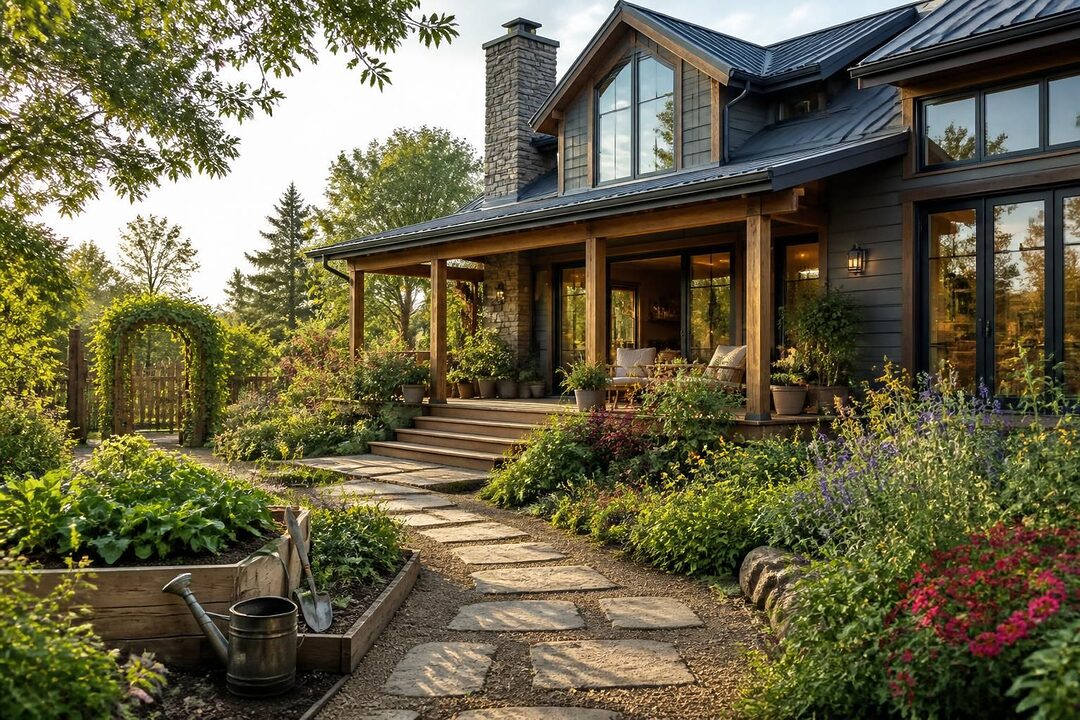
Mexican style homes captivate with their bold use of vibrant colors, distinctive architectural details, and a seamless blend of tradition with modern living. These homes emphasize warmth and personality through a variety of features such as stucco walls, terra cotta roofing, and inviting courtyards. From rustic adobe retreats to elegant haciendas framed by soaring palms, the diversity in design reflects the deep cultural heritage and pragmatic needs of residents in sun-drenched climates. Rich textures, handcrafted accents, and thoughtfully designed indoor-outdoor spaces create a lifestyle centered around both community and relaxation.
Exploring Mexican style homes reveals unique interpretations of classic elements like arched doorways and wrought iron detailing that combine visual appeal with durability. The integration of nature is ever-present, with lush greenery and cactus landscaping enhancing the solid earthen tones of the architecture. Each house tells a story through its use of color and material, offering a warm invitation to experience comfort, art, and culture under one roof. The ongoing popularity of Mexican style homes in varying climates underscores their ability to balance aesthetics with smart design solutions suitable for modern homeowners.
These homes emphasize spatial flow and social interaction, often featuring spacious courtyards and open-air verandas that act as extensions of the living spaces. This connection to the outdoors harnesses natural light and ventilation—important factors in energy-efficient design in warm regions. The durability of materials like terracotta tiles and stucco, combined with timeless aesthetic touches like vibrant wall murals and mosaic focal points, showcases how Mexican architecture honors its heritage while embracing contemporary comfort. This vibrant style represents an important segment of residential market trends, appealing to those valuing cultural authenticity alongside functional design.
Whether set against mountain backdrops, nestled in tropical gardens, or standing proud in desert settings, Mexican style homes adapt beautifully to their environment while making a strong visual statement. The lively use of color, ranging from the brightest yellows to deep earth tones, plays a significant role in defining these properties’ character. Moreover, the incorporation of traditional elements such as exposed wooden beams and artisan ironwork lends authenticity and craftsmanship to modern interpretations. The following sections delve deeper into the key features and inspiring design ideas that define Mexican style homes today.
Key Takeaways
- Vibrant colors and bold architectural elements are hallmark features of Mexican style homes, expressing cultural heritage and personality.
- Terra cotta roofing and stucco walls provide both aesthetic charm and practical benefits like durability and heat reflection.
- Arched doorways and wrought iron detailing add elegance, security, and a historic feel to these residences.
- Indoor-outdoor living is emphasized through expansive courtyards, verandas, and patios that enhance natural light and airflow.
- Materials like adobe, stone, and brick are skillfully combined with modern elements to balance tradition with innovation.
- Cultural artistry appears in hand-painted tiles, murals, and mosaic accents, creating unique focal points throughout the home.
Distinctive Architectural Elements Defining Mexican Style Homes
The architectural signature of Mexican style homes is immediately recognizable through a series of key features that harmonize form and function. Among the most prominent are arched doorways and windows, which not only project elegance but also contribute to structural soundness and visual rhythm. These arches soften rigid lines, inviting a natural flow between indoor and outdoor spaces. Historically, arches have been a defining feature in Mexican and Spanish colonial design, symbolizing hospitality and craftsmanship.
Stucco walls are another cornerstone of this style. Their smooth, durable surface withstands harsh sunlight while reflecting heat, essential in warmer climates common to this architectural form. The natural earthy colors of stucco—ranging from crisp whites to warm ochres—blend well with the surrounding landscape. Stucco offers excellent insulation, which aids in maintaining indoor comfort throughout seasonal extremes.
Terra cotta roofing tiles are both aesthetically pleasing and practical. Their reddish-orange tones evoke the desert sun and provide effective thermal protection. The curved tiles interlock to form weather-resistant layers that have served homeowners for centuries. Beyond function, these tiles contribute to the texture and color palette that bring Mexican style homes to life.
Exposed wooden beams, often handcrafted, provide warmth and rustic charm to interior ceilings, complementing the earthen tones of walls and floors. These beams showcase traditional woodworking techniques, adding architectural interest and a tactile quality seldom found in more contemporary designs.
Wrought iron details frame windows, balconies, and entryways, combining beauty with security. Artistic patterns sculpt ironwork into elegant elements that catch the light and cast shadows, enriching the home’s facade while offering sturdy protection. Balconies with wrought iron railings extend living spaces outdoors, supporting the culture of open-air social life prevalent in Mexican communities.
Courtyards are the symbolic heart of many Mexican homes. These open-air spaces foster interaction, relaxation, and enjoyment of mild weather. Traditionally centered around a fountain or lush garden, these courtyards create natural circulation of air and light, enhancing comfort inside the home. Floors often feature patterned tiles such as colorful Talavera ceramics, which celebrate Mexican artistry with intricate geometric and floral motifs.
In sum, these architectural elements create a cohesive language that marries tradition with practicality and enriches the residential experience. For buyers interested in authentic Mexican style homes, understanding these features helps evaluate properties with a critical eye for quality and cultural integrity.
Incorporating Color and Texture: Vibrant Design Ideas in Mexican Style Homes
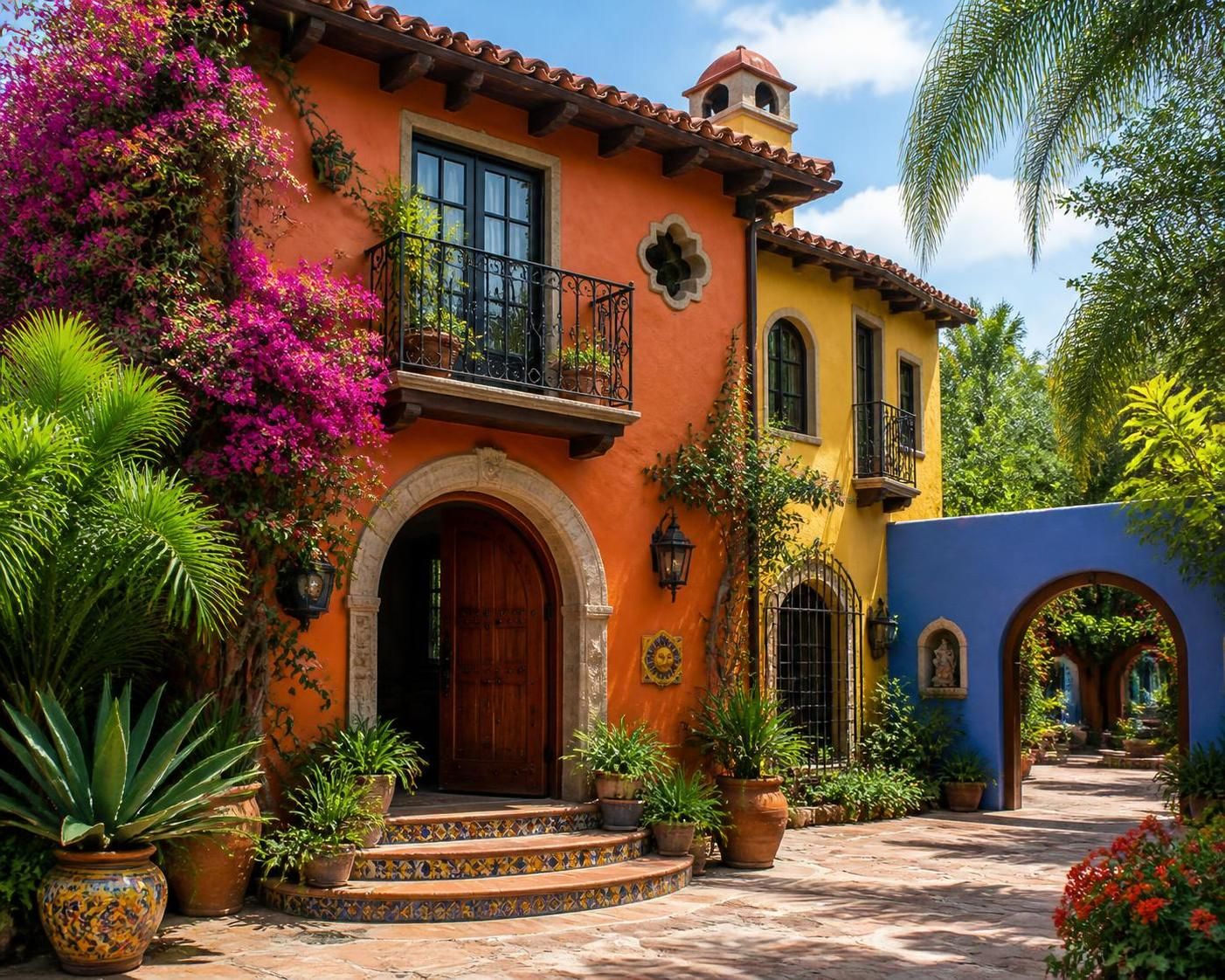
Color plays a central role in Mexican style homes, used to reflect both cultural vibrancy and environmental responsiveness. Exteriors often sport bold hues like mustard yellow, bright oranges, and deep reds. These vibrant colors not only create cheerful curb appeal but also serve practical functions such as capturing sunlight and standing out against native vegetation. Interiors mirror this energy with dynamic accent walls, hand-painted Talavera tiles, and mosaic focal points, which introduce texture and delight the senses.
The use of colorful Talavera accents integrates tradition with artistry. These ceramic tiles, individually hand-painted, often appear on stair risers, kitchen backsplashes, and courtyard fountains. Their vibrant blues, yellows, and greens provide contrasting elements to neutral backgrounds, enhancing visual interest without overpowering the overall design.
Texture is equally important. Rough stucco walls contrast with smooth tilework, weathered wooden beams add warmth to plaster ceilings, and ironwork provides an unexpected tactile quality. The interplay of surfaces reminds occupants of handcrafted craftsmanship and natural materials integral to Mexican architectural identity.
Rustic finishes such as plastered walls with subtle imperfections or exposed brick accents further enhance this sensory richness. These coatings create depth and an aura of age, imbuing new homes with a sense of history. When combined with lush courtyards and carefully curated greenery, including native cacti and palms, the design becomes an immersive experience.
Outdoor spaces benefit from this vibrant palette and textural mix too. Brightly painted doors and window frames invite guests inside, while patterned tile pathways weave through gardens, leading to shaded verandas or bubbling fountains. Such elements not only elevate curb appeal but also increase functional outdoor living space, a valuable asset in warm regions.
Owners seeking a contemporary spin can blend these bold colors with minimalist furniture or modern lighting, creating a striking balance between tradition and innovation. Whether the goal is a festive family retreat or a sophisticated desert oasis, the thoughtful use of color and texture in Mexican style homes defines their enduring charm.
Courtyards and Outdoor Living: Essential Design Features in Mexican Residences
The courtyard remains a pivotal feature in Mexican style home design, epitomizing indoor-outdoor living and cultural values around community and family. These open spaces serve multiple practical and aesthetic purposes, making them vital for both comfort and social interaction. Strategically placed courtyards allow natural light to permeate adjoining rooms while facilitating cross-ventilation to cool interior areas naturally. This approach reduces reliance on mechanical systems, supporting energy-efficient living in hot climates.
Typically landscaped with native plants like succulents, cacti, and palms, courtyards create a microclimate that buffers heat while introducing lush greenery to the home’s core. The soil and stone pathways enhance drainage and create a textured surface for walking rather than hard concrete, increasing tactile connection with nature. Water features such as fountains add sound and visual calm, reinforcing the ambience of a peaceful sanctuary.
Access points often include arched doorways or traditional wooden doors, extending the home’s architectural language into this outdoor heart. Courtyards also facilitate versatile usage—be it formal dining, casual relaxation, or lively celebrations. Seating areas furnished with wrought iron and rustic wood complement the natural environment and maintain aesthetic coherence.
Open-air living spaces connected to courtyards allow residents to enjoy sunlight and fresh air year-round. Expansive verandas, tiled patios, and covered porches enhance this connection, often decorated with patterned ceramics and potted plants. This layout fosters a refreshing lifestyle, particularly desirable in U.S. real estate markets where indoor-outdoor flow is prized.
Modern Mexican homes sometimes integrate sustainable water systems and native xeriscaping to maintain these gardens with minimal irrigation. This eco-friendly approach aligns with growing homeowner demand for low-maintenance, sustainable properties that honor tradition without sacrificing convenience.
The courtyard courtyard design represents a bridge between heritage and modernity, inviting homeowners and guests to experience a unique blend of privacy, community, and environmental harmony.
Material Selection and Sustainability in Mexican Style Homes
Sustainability is increasingly important in residential architecture, providing Mexican style homes an opportunity to marry historic building techniques with modern eco-consciousness. Traditional materials like adobe, stone, and stucco have intrinsic environmental advantages such as thermal mass, natural insulation, and durability that reduce energy consumption. These elements remain relevant in 2026 as buyers seek greener living solutions that don’t compromise on style or comfort.
Adobe walls, composed of earth and organic fibers, naturally regulate indoor temperatures, keeping interiors cool in summer and warm in winter. This passive design element aligns with current best practices for energy efficiency, decreasing heating and cooling costs. In addition, adobe production typically uses renewable resources and has a low carbon footprint compared to modern building materials.
Stone and terracotta are other traditionally favored materials. Their longevity and low maintenance make them excellent choices for long-term value and resilience in harsh climates. Terracotta roofing tiles not only enhance aesthetic appeal but also shield from intense sunlight while allowing the roof to breathe, preventing moisture buildup.
Modern adaptations often combine these traditional materials with contemporary insulation, sealed windows, and solar panels to further enhance sustainability. Landscaping with native flora reduces water consumption, while eco-friendly finishes like low-VOC paints improve indoor air quality.
Homeowners interested in investing in Mexican style homes should inquire about the incorporation of sustainable features during the buying process. Properties that employ both authentic materials and modern green technologies tend to maintain higher resale value and offer healthier living environments. Whether restoring a classic hacienda or constructing a new minimalist casita, blending tradition with sustainability remains a winning formula.
| Material | Benefits | Typical Uses | Environmental Considerations |
|---|---|---|---|
| Adobe | Thermal mass, low energy use, natural insulation | Walls, structural elements, earthen finishes | Low carbon footprint, renewable materials |
| Terracotta | Durability, weather resistance, heat reflection | Roof tiles, decorative accents | Natural clay material, recyclable |
| Stucco | Protective, low maintenance, aesthetic flexibility | Exterior and interior wall finishes | Depends on formulation; modern stucco can be eco-friendly |
| Stone | Longevity, natural beauty, thermal regulation | Facades, pathways, fireplaces | Quarrying impact varies; durable reduces replacement needs |
| Wrought Iron | Durable, security, decorative appeal | Balconies, window grilles, gates | Recyclable metal, long lifespan |
Blending Tradition and Modern Comfort in Mexican Style Homes
The allure of Mexican style homes partly lies in their ability to blend historic charm with the conveniences of contemporary living. Open floor plans integrate social spaces while preserving intimate nooks for privacy. Expansive windows and glass doors enhance natural light and connect interiors to scenic courtyards, gardens, or terraces.
Modern kitchens in these homes often feature colorful tile backsplashes, rustic wood cabinetry, and open shelving that nod to tradition while accommodating current lifestyle needs. Bathrooms combine classic mosaic details with updated fixtures and energy-saving water technology.
Heating and cooling systems coexist with passive features such as deep eaves and shuttered windows designed to mitigate heat gain. Fireplaces remain a prominent feature, providing ambient warmth and a gathering spot during cooler months, surrounded by stone or tile to anchor the space.
- Spacious indoor-outdoor transition areas promote family and cultural gatherings.
- Handcrafted details such as wooden doors and ironwork accentuate aesthetic authenticity.
- Use of vibrant textiles and decorative ceramics personalize living spaces.
- Incorporation of modern amenities ensures year-round comfort and convenience.
This fusion of old and new appeals to a broad range of buyers—from traditionalists seeking authentic architecture to modern homeowners valuing style and efficiency. Embracing Mexican design principles offers an opportunity to create homes that are as inviting as they are unique.
What are the key architectural features of Mexican style homes?
Key features include arched doorways and windows, stucco walls, terra cotta roofing, wrought iron detailing, stone and adobe construction, and central courtyards that enhance indoor-outdoor living.
How do Mexican style homes integrate outdoor spaces?
They use expansive courtyards, verandas, and tiled patios to blur the line between indoor and outdoor living, maximizing natural light, air flow, and social interaction.
What materials are commonly used in Mexican style homes?
Traditional materials include adobe, stucco, terracotta, stone, wrought iron, and wood, chosen for their durability, aesthetic appeal, and natural insulating properties.
Can Mexican style homes be energy efficient?
Yes, many incorporate passive solar design, natural insulation like adobe and stucco, and modern energy-saving systems to maintain comfort in warm climates sustainably.
How is cultural artistry expressed in Mexican home design?
Through colorful Talavera tiles, mosaic focal points, hand-painted murals, artisan ironwork, and vibrant color palettes that reflect Mexico’s rich heritage and craftsmanship.

At 33 years old, I specialize as a Licensed Residential Real Estate Advisor and Property Market Analyst. With a deep understanding of market trends and client needs, I provide strategic insights and personalized guidance to help clients make informed real estate decisions.