A luxury hotel’s exterior does more than announce its presence. It sets expectations before guests reach the lobby, signals how the property relates to its surroundings, and can influence whether a passerby sees the building as welcoming, memorable, or out of place. The strongest designs bring architecture, materials, landscape, lighting, and practical operations into a coherent whole. Their appeal is not simply a matter of expensive finishes: proportion, thoughtful detailing, durability, and a clear sense of place often matter just as much.
For owners and design teams, that first impression is also a long-term property decision. Façade systems face weather, urban pollution, coastal air, foot traffic, and the demands of ongoing maintenance. A surface that looks striking in a rendering must still perform safely and retain its character after years of exposure. From a restrained city hotel to an expansive resort, effective Luxury hotel architecture balances visual impact with guest comfort and the realities of construction and upkeep.
At a glance
- Design should express a clear identity while responding to the neighborhood, climate, and intended guest experience.
- Façade materials need to perform, not merely look attractive in photographs or renderings.
- Entrances, landscape, and lighting shape how guests approach and experience the property.
- Renovation planning matters: a well-managed exterior upgrade can limit disruption while improving appearance and function.
- Timeless design usually comes from coherent proportions and quality detailing, rather than chasing a short-lived trend.
Luxury Hotel Exterior Design Begins with a Sense of Place
A compelling hotel exterior gives guests a preview of the experience inside. Its scale, materials, and arrival sequence communicate whether the property is intimate, celebratory, restorative, or distinctly urban. That message is most convincing when it grows from the site rather than being applied as a generic luxury template. A coastal resort, a downtown tower, and a small historic-district hotel have different relationships to climate, street life, and views; their architecture should make those differences legible.
Consider a hypothetical boutique hotel in Mexico City. Its design team might study the surrounding block’s building heights, street rhythm, local stone and plaster traditions, and the way pedestrians approach the entrance. The goal would not be to imitate neighboring buildings, but to create a contemporary property that feels connected to its context. Hotel Picasso, Mexico City, can prompt discussion of how a named urban hotel sits within a larger architectural setting, but without verified project details it should not be used to make claims about its actual façade or design features.
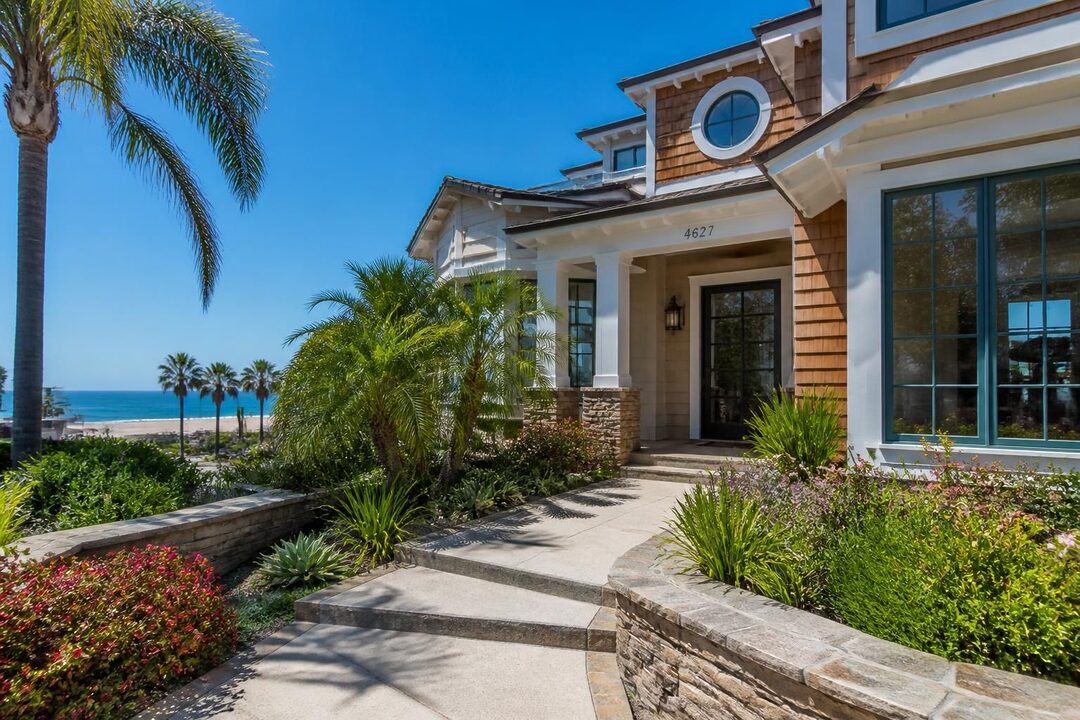
Elegant facades can be expressive without competing with their surroundings. A strong composition may rely on a carefully proportioned window grid, a recessed entrance, a tactile stone base, or a change in texture at upper levels. In residential real estate, curb appeal is often discussed as an immediate visual impression; hotels operate similarly, though their exterior must also help guests identify the entry, understand the building, and feel comfortable approaching it. A dramatic form can attract attention, but clarity is what makes arrival feel effortless.
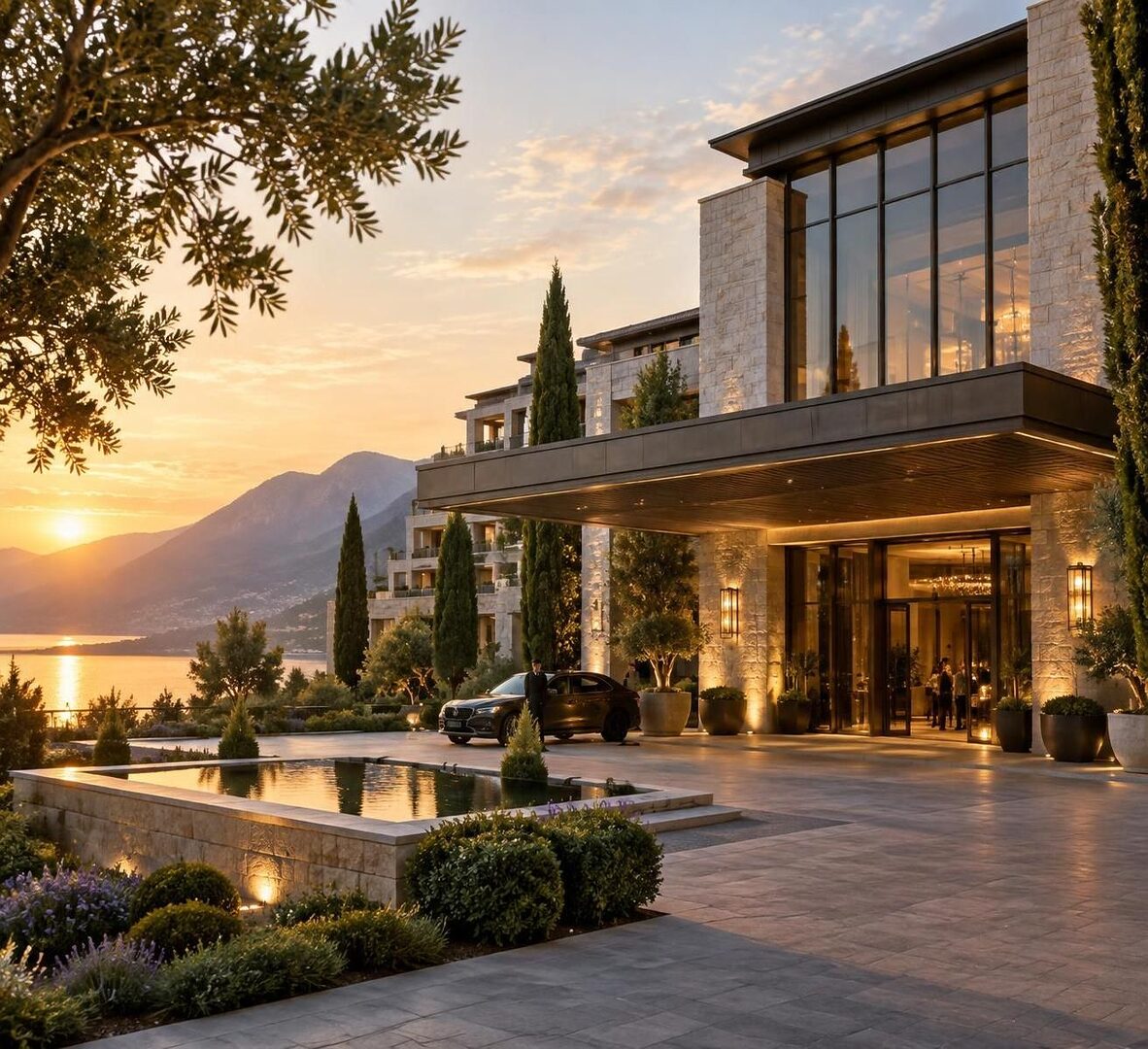
Grand entrances are especially important because they transform the transition from public street to private hospitality. A canopy, covered drop-off, visible reception route, and well-lit doors can help distinguish the hotel from adjacent commercial space. These features should be scaled to actual use. A busy city property may need a sheltered place for rideshare vehicles and luggage handling, while a smaller inn may benefit from a modest, human-scale doorway rather than an oversized porte cochère.
Design references can help clarify the relationship between form and experience. For example, a discussion of how a high-rise’s floor plan organizes space can prompt broader questions about how exterior massing relates to the building’s internal layout. Similarly, the architectural character of Pierre House offers a point of comparison for thinking about enduring proportions and detail. The useful lesson is not to copy a landmark; it is to understand why a design feels coherent in its own setting.
When the exterior tells a locally grounded story, the building becomes more than a backdrop for a stay. It becomes part of the destination’s identity.
Façade Materials, Craftsmanship, and Long-Term Performance
A hotel façade covers a large area, so small choices have substantial visual and operational consequences. Stone, metal, glass, porcelain, timber, concrete, and high-performance cladding each bring a distinct appearance, but they also differ in weight, maintenance needs, installation requirements, weather response, and repairability. Selecting a material is therefore a coordination exercise involving the architect, façade consultant, structural engineer, contractor, owner, and operations team.
Material decisions should begin with the property’s conditions. A coastal building may need careful consideration of salt exposure and corrosion; a city hotel may face soot, vibration, and limited access for cleaning; a mountain resort may need to account for freeze-thaw cycles and heavy weather. These are design questions to assess with qualified professionals, not reasons to assume that one product works everywhere. Local codes, tested assemblies, manufacturer instructions, and project-specific engineering all matter.
The attachment system is part of the design, even when guests never see it. Panels must be supported and installed in a way that suits their weight, substrate, movement, and exposure. Mechanical fasteners can be appropriate in many assemblies; adhesive systems may suit some tested applications. Neither method should be selected on appearance or speed alone. The complete façade assembly—including backing, joints, insulation, membranes, and attachments—needs to be evaluated for the project’s performance requirements.
Precision is particularly visible in minimalist architecture. A simple grid of panels can make a powerful impression, but uneven joints, inconsistent reveals, or poorly aligned edges quickly undermine the intended effect. A mock-up lets the project team review color, texture, joint width, reflectivity, and workmanship before installation proceeds at scale. It can also reveal whether a material that looked subtle on a small sample appears too glossy or visually busy across an entire elevation.
For owners comparing options, the apparent purchase price is only one part of the picture. A lower-cost finish may require more frequent cleaning or replacement, while a premium material may impose higher initial costs, more complex detailing, or specialized maintenance. The following comparison is a starting point, not a substitute for specifications and engineering:
| Material approach | Visual character | Questions for the project team |
|---|---|---|
| Natural stone | Textural, substantial, and often closely connected to regional architecture | How do weight, anchoring, sourcing, cleaning, and weather exposure affect the assembly? |
| Metal panels | Precise, contemporary, and capable of varied finishes | How will the finish respond to glare, corrosion risk, denting, and thermal movement? |
| Glass | Open, reflective, and useful for connecting interiors with views | How will solar gain, privacy, bird safety, cleaning access, and glare be addressed? |
| Timber or wood-look cladding | Warm and natural, suited to many resort settings | What are the fire, moisture, fading, maintenance, and sourcing requirements? |
| Concrete or mineral finishes | Solid, understated, and adaptable to varied architectural forms | How will staining, cracking, drainage, and surface variation be managed? |
Durability is not a hidden technical concern separate from beauty. It is what allows a design to keep its intended character after repeated seasons of use.
Landscaped Grounds, Outdoor Elegance, and the Guest Arrival
The hotel experience begins before a guest reaches the front desk. Landscaped grounds guide movement, soften the building’s scale, and create a transition between public space and the more private atmosphere of the property. In a resort, that might mean a sequence of shaded paths and framed views; in a compact city hotel, it could be a planted setback, a small courtyard, or carefully designed planters that make the entrance easier to recognize.
Landscape design works best when it is coordinated with architecture rather than added after the façade is complete. Trees can provide shade and reduce the visual hardness of a large elevation, but their mature size, root systems, and maintenance needs must be considered. Planting can also help organize the approach: a clear path, a visible door, and a well-positioned drop-off make a property feel legible. Dense planting that hides signage or blocks sightlines may look lush in a rendering but create confusion in daily use.
Outdoor elegance depends on usability as much as appearance. Guests may arrive with luggage, mobility devices, children, or wet-weather gear. An accessible route should be integrated into the principal arrival sequence rather than treated as a secondary path. Shade, seating, drainage, surface texture, and protection from wind or rain are practical design elements that influence how welcoming an exterior feels. These details are especially important in hospitality, where a first impression is experienced physically, not just seen in a photograph.
Resort design often has a closer relationship with terrain and landscape than an urban hotel. A property near the ocean, desert, or forest may use terraces, courtyards, or low building forms to frame its surroundings. The design should preserve meaningful views without assuming that every guest wants a fully exposed outdoor environment. Screens, covered verandas, and planted buffers can provide privacy and shelter while maintaining a connection to the setting.
Outdoor areas also require an operational plan. Irrigation, drainage, lighting, furniture storage, pest management, and seasonal maintenance can influence both costs and appearance. A planting palette suited to local conditions may reduce replacement needs, though site-specific horticultural guidance is essential. For example, a hotel in a dry region may prioritize shade structures and water-conscious planting, while a property in a humid climate may need to pay particular attention to drainage and mildew-resistant finishes.
For a hypothetical resort renovation, the design team could map the guest journey from arrival curb to lobby, pool, dining terrace, and rooms. Each threshold should feel intuitive, with landscape features reinforcing rather than interrupting circulation. This approach is more useful than treating gardens as decorative leftovers around the building.
When the grounds make arrival intuitive and outdoor spaces comfortable, the landscape becomes part of the hospitality itself.
Architectural Lighting and Iconic Exteriors After Dark
Architectural lighting changes how a hotel is read after sunset. It can reveal texture, clarify the entrance, and give the building a recognizable nighttime presence. A restrained lighting plan often works better than illuminating every surface equally. Light placed to graze a textured wall can make its material legible, while focused illumination at a canopy or doorway helps guests identify where to go.
Good lighting begins with purpose. Designers should distinguish between functional illumination for arrival and circulation, accent lighting for architectural features, and ambient light for terraces or gardens. The aim is not simply brightness. Glare, contrast, color appearance, spill into neighboring homes, maintenance access, and energy use all affect whether the result feels comfortable. Local requirements and professional lighting plans should guide the final specification.
Iconic exteriors are often remembered for a clear silhouette or a disciplined use of contrast, not for sheer brightness. A hotel tower might use a warm-lit lobby as a visible anchor, while keeping guest-room elevations subdued. A low-rise property could use discreet path lighting and a softly illuminated landscape edge. In both cases, a consistent lighting hierarchy helps the building remain inviting without overwhelming the street or the night sky.
Lighting also influences perception of materials. Glass can reflect nearby city lights, metal can produce highlights, and stone can appear warmer or cooler depending on the source and color temperature. Samples and mock-ups viewed at night help teams avoid surprises. A finish that appears elegant under daylight may become harsh when hit by poorly positioned fixtures; conversely, carefully controlled grazing light can give a plain surface unexpected depth.
For property owners, maintenance is a practical consideration from the beginning. Fixtures mounted high on a façade may require specialized access equipment, and a complex system can be difficult to service if components are not standardized. Controls should be understandable to hotel operations staff and should allow schedules to respond to occupancy patterns and seasonal daylight. Decisions about smart controls and energy performance belong in the broader project plan rather than being treated as decorative upgrades.
These ideas connect closely with the wider concept of Luxury hospitality: the architecture must support comfort while shaping an emotional response. A guest arriving late at night should be able to find the entrance without searching, yet the building should not feel like a brightly lit billboard. That balance is often the difference between a memorable nighttime identity and visual noise.
Light is most effective when it reveals the building’s character and supports the guest’s journey, rather than competing with either one.
Renovating Hotel Exteriors Without Losing the Guest Experience
Exterior renovation can refresh a hotel’s identity, address deteriorating finishes, and improve the performance of an existing building. It can also create noise, dust, blocked entrances, and restricted views if the work is not planned around hotel operations. The design challenge is therefore twofold: improve the property while keeping guests, staff, contractors, and the public safe and informed throughout construction.
Before selecting a new façade treatment, owners need a clear understanding of the existing assembly. Condition surveys, selective openings, records review, and consultation with qualified building-envelope professionals can help identify water intrusion, corrosion, movement, failed sealants, or concealed damage. A cosmetic covering may hide symptoms without resolving the underlying cause. Scope should be based on verified conditions and applicable code requirements, which vary by jurisdiction and project.
Phasing can reduce disruption, but it requires careful coordination. The construction team may sequence work by elevation, floor, or building wing, while hotel operations adjust room assignments and access routes. Temporary wayfinding, clear notices, protected walkways, and agreed work hours can make a tangible difference to guests. The plan should also anticipate deliveries, equipment staging, emergency access, and changes to parking or drop-off areas.
Claims about faster installation or lower costs need to be evaluated in context. A renovation account supplied for this topic reports that a La Quinta upgrade using an adhesive-based panel system took substantially less installation time than a mechanical-fastener alternative, with reported reductions of 60 percent in installation time and half in installation costs. Those figures should be treated as project-specific claims, not as a prediction for another hotel. Building conditions, labor, materials, engineering, testing, and local requirements all affect results, and any proposed system must be approved for the particular assembly.
A responsible comparison examines the full project rather than one line item. Owners can ask the design and construction team:
- What condition is the existing façade in, and what evidence supports the proposed scope?
- How will the selected assembly meet project-specific structural, moisture, fire, and weather requirements?
- What testing, mock-ups, and manufacturer documentation are needed before installation?
- How will work affect guest rooms, entrances, deliveries, accessibility, and emergency routes?
- What maintenance, inspection, and repair procedures will be needed after completion?
A striking façade renewal does not have to mean an entirely new visual language. Sometimes cleaning, repairing joints, replacing damaged panels, improving lighting, or updating the entrance can restore clarity while preserving a building’s recognizable character. Other properties may need a broader redesign to address outdated proportions or a poor relationship to the site.
The most successful renovation is not merely the one that looks new on opening day; it is the one that performs well and remains manageable for the people who operate the property.
Timeless Design Choices for Memorable Hotel Exteriors
Timeless design is not the absence of personality. It is a recognizable architectural idea that can endure changes in taste because its proportions, materials, and details work together. A hotel does not need to be neutral to age well; it needs a design logic that makes its distinctive choices feel intentional. Color, texture, geometry, and ornament can all contribute when they are used with discipline.
A bold color scheme, for instance, can distinguish a hotel from neighboring buildings and create a lively identity. The risk is that a highly specific palette may date quickly or clash with future changes to signage and landscaping. Designers can manage that risk by using saturated color selectively—perhaps at an entrance, screen, or courtyard—while keeping large façade areas grounded in durable, compatible tones. The right balance depends on the building’s context and brand, not on a universal rule about bright or muted colors.
Natural finishes create a different kind of character. Stone, timber, and textured mineral surfaces can connect a property to its landscape or regional building traditions. Their appeal comes with practical responsibilities: sourcing, exposure, cleaning, replacement, and consistency should all be considered. A material that weathers gracefully may gain character; one that stains unpredictably can make a carefully composed exterior appear neglected.
Mixing materials can create contrast and visual depth. Glass paired with stone may balance openness and solidity; metal combined with wood can bring a contemporary edge to a warmer composition. The transitions need to be resolved at corners, window openings, parapets, and panel joints. Without careful detailing, a mixed palette can look like separate ideas assembled together. With a clear hierarchy, the different surfaces can reinforce one another.
The design team should also consider how an exterior appears from several distances. At street level, guests notice doors, tactile surfaces, signage, and human-scale details. Across the block, they read the entrance and overall massing. From a distance, the silhouette and larger patterns become more important. A successful hotel exterior holds together across all three views rather than relying on one dramatic photograph.
Hotel Picasso in Mexico City may serve as a useful prompt for investigating how a hotel name and setting can shape research into local architectural character, but credible evaluation requires verified project information and direct observation. In any city, a property can be studied through its site, documented materials, planning context, and relationship to surrounding buildings. That method is more reliable than assuming a design story from an image or name alone.
Before committing to a concept, owners can test its staying power with a few grounded questions:
- Does the exterior make the entrance and guest route easy to understand?
- Will the selected materials suit the local climate and maintenance capacity?
- Does the design respond to its surroundings without simply copying them?
- Can the lighting, signage, and landscape evolve without undermining the architecture?
- Do the details remain convincing at both close range and across the street?
Memorable hotel exteriors are not created by spectacle alone. Their lasting charm comes from a strong sense of place, sound material choices, and details that support both the architecture and the people who use it.
What makes a hotel exterior feel luxurious?
A luxury hotel exterior usually combines coherent proportions, durable and well-detailed materials, a clear arrival sequence, thoughtful landscape, and lighting that supports both appearance and comfort. High cost alone does not guarantee a convincing result.
Which materials are commonly used for luxury hotel facades?
Common options include stone, metal panels, glass, concrete, timber, porcelain, and other cladding systems. Suitability depends on the building, climate, structural design, maintenance plan, and applicable project requirements.
How can a hotel renovation limit disruption to guests?
Teams can plan construction phases around occupied areas, preserve safe and accessible routes, coordinate deliveries, communicate schedule changes, and select work methods appropriate to the building. The results depend on site conditions and contractor planning.
What role does lighting play in hotel exterior design?
Architectural lighting can make entrances easier to find, reveal material texture, and establish a nighttime identity. Effective plans also manage glare, energy use, maintenance access, and light spill into surrounding areas.

At 33 years old, I specialize as a Licensed Residential Real Estate Advisor and Property Market Analyst. With a deep understanding of market trends and client needs, I provide strategic insights and personalized guidance to help clients make informed real estate decisions.