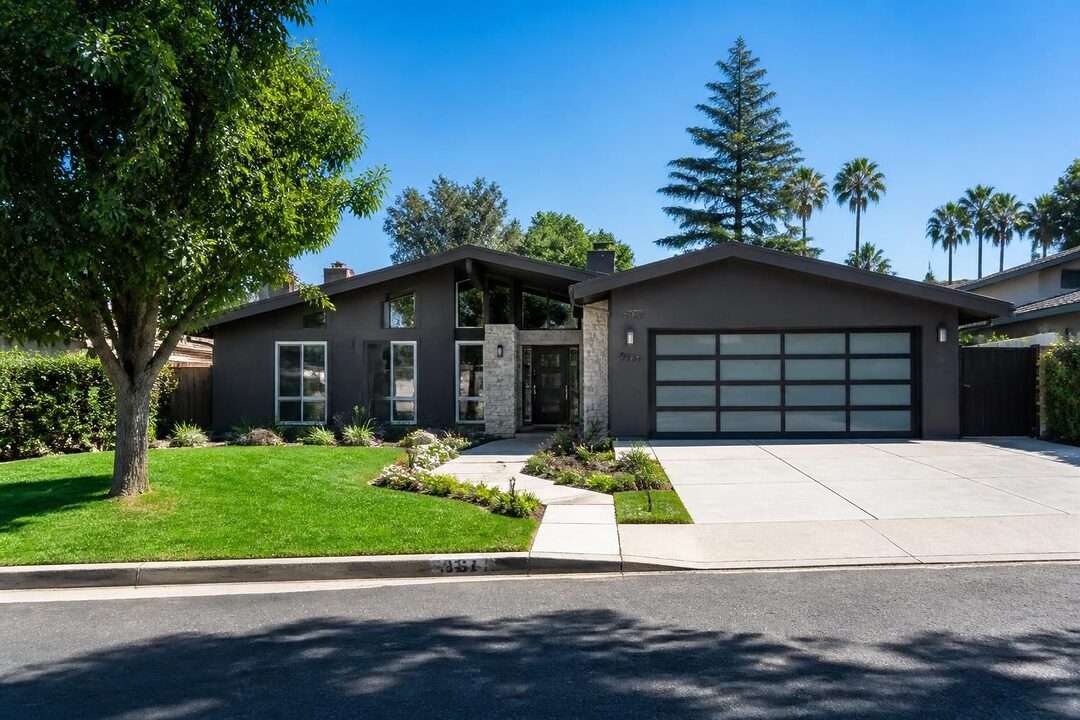
Luxury lifestyle pictures do more than display expensive objects. At their best, they suggest how a home feels at dawn, how a room supports everyday rituals, or how a particular view connects indoor living with the world outside. For real estate buyers, sellers, designers, and publishers, that distinction matters: a compelling image communicates atmosphere while still giving viewers a believable sense of place.
From sunlit interiors and considered fashion to coastal travel and architectural details, the strongest luxury lifestyle photography balances elegance with authenticity. Understanding composition, visual storytelling, image licensing, and the difference between aspirational styling and misleading presentation helps readers choose pictures with greater confidence—and see what makes an image useful beyond its surface beauty.
In brief
- Luxury lifestyle images work best when they convey a credible experience, not simply expensive possessions.
- Lighting, composition, materials, and context help distinguish refined photography from generic displays of opulence.
- For real estate, images should represent a property honestly and show details that help buyers understand its character.
- Stock-photo counts and download terms can change; confirm current licensing before using an image commercially.
- A consistent visual approach can support a property listing, design project, or editorial story without making every image feel staged.
What Makes Luxury Lifestyle Pictures Feel Beautiful and Believable
The beauty of luxury lifestyle pictures often comes from restraint rather than spectacle. A photograph of a quiet terrace, a well-proportioned living room, or a carefully arranged breakfast can communicate comfort and quality without filling the frame with conspicuous labels. The viewer notices how the space works: where the light falls, how materials complement one another, and whether the setting feels suited to real life.
That sense of credibility is especially valuable in residential real estate. Imagine a hypothetical coastal home with a broad glass door opening onto a shaded patio. One image could emphasize the outdoor view, while another might show a reading chair placed beside the window. Together, they suggest both the property’s setting and the way a resident might use it. The images become more persuasive because each one has a purpose.
Opulence is not the same as visual clutter. Marble, polished metal, dramatic art, and designer furnishings may signal expense, but too many competing focal points can make a room appear smaller or less inviting. Strong pictures give important features room to register. In a luxury kitchen, for example, balanced framing may communicate the relationship between the island, cabinetry, windows, and circulation space more effectively than a close-up of a single high-end appliance.
Elegance Through Light, Materials, and Composition
Natural light can reveal texture and proportion with a softness that artificial illumination sometimes struggles to reproduce. A photographer may schedule a room’s main image for the time of day when its windows provide even light, then use supplemental lighting carefully to avoid harsh color shifts. That choice is not merely aesthetic: accurate color helps viewers understand finishes and reduces the risk of a dramatic photograph creating expectations the home cannot meet.
Materials also shape the mood. Linen, natural wood, stone, and brushed finishes can appear rich without demanding attention. In a staged bedroom, a restrained palette and neatly layered bedding may help the room feel calm; adding too many decorative accessories can distract from its dimensions and window placement. The same principle applies to fashion and travel imagery: styling should support the setting rather than compete with it.
Composition gives viewers a path through the scene. Lines from a hallway, a dining table, or a landscape can guide the eye toward a defining feature. A wide view helps establish context, while closer images reveal craftsmanship, such as custom millwork or a distinctive tile pattern. A thoughtful set moves between these scales instead of repeating the same angle.
How an Image Suggests a Lifestyle
A picture communicates lifestyle through small, believable signals. A book beside a lounge chair may suggest a quiet retreat; a dining table arranged for a modest gathering may make an open-plan room easier to imagine in use. These details should not imply features that do not exist or obscure a property’s actual condition. Their value lies in helping viewers interpret a space, not disguising it.
This balance can be seen in a hypothetical listing for a city penthouse. A dramatic skyline image may attract attention, but a second photograph showing the living area’s connection to the windows gives that view real estate context. The first establishes emotion; the second helps a prospective buyer understand the home. A beautiful image earns trust when its atmosphere and its facts remain aligned.
For editorial projects and property marketing alike, the central lesson is simple: luxury feels most convincing when the image presents quality as an experience, not a price tag.
Luxury Lifestyle Photography for Homes, Interiors, and Property Marketing
Luxury lifestyle photography has a practical role in real estate because buyers make decisions from a combination of facts and impressions. A listing’s photographs can help people understand the layout, identify distinctive features, and decide whether a viewing is worthwhile. They cannot substitute for an inspection, floor plan, or property disclosures, but clear images make it easier to assess what deserves a closer look.
For a seller, the goal is not to make every room look like a magazine set. It is to present the home in a way that is attractive, accurate, and easy to read. Before photography, a preparation plan may include removing personal paperwork, opening window treatments, tidying surfaces, and confirming that important features are visible. Staging can help define a room’s use, though it should not conceal defects or suggest that furnishings are included when they are not.
A hypothetical seller preparing a $1.8 million home might have a striking chef’s kitchen, a landscaped courtyard, and a compact office. A useful image sequence would show the kitchen in context, capture the courtyard’s connection to the main living area, and photograph the office in a way that makes its scale clear. If the listing includes only close-ups of hardware and decorative objects, viewers may see quality but miss how the property functions.
Building a Useful Visual Sequence
Each photograph should answer a different question. The first image introduces the property; broad interior views clarify spatial relationships; detail shots highlight craftsmanship; and outdoor photographs explain the setting. For homes where location is a key feature, a view of the neighborhood or surrounding landscape can add context, provided it is represented accurately and does not imply ownership of public or neighboring spaces.
When planning a photo set, consider these priorities:
- Lead with a defining feature: Choose a strong exterior or principal living space that accurately represents the home.
- Explain the layout: Include wide views that show how rooms connect, rather than relying exclusively on tight crops.
- Show details selectively: Photograph custom finishes or architectural elements when they help distinguish the property.
- Represent outdoor areas clearly: Show patios, balconies, and landscaping in relation to the residence.
- Keep edits credible: Avoid changes that materially alter views, dimensions, permanent features, or the property’s condition.
There is a meaningful difference between image enhancement and image misrepresentation. Adjusting exposure or correcting a color cast can make a photograph more faithful to what a visitor sees. Removing a neighboring building from a view or digitally expanding a room changes the evidence the picture provides. Standards and disclosure obligations can vary by location and platform, so real estate professionals should follow applicable local rules and listing-service policies.
Matching Visuals to the Property and Audience
A city condominium and a rural estate do not call for identical photography. In an urban residence, the image strategy may emphasize natural light, efficient planning, building amenities, and access to shared spaces. For a country property, land, outbuildings, mature trees, and the relationship between the house and its surroundings may matter more. In either case, the pictures should help a likely buyer assess relevant features rather than impose a generic luxury aesthetic.
Market context also shapes presentation. Sellers and agents can study comparable listings, often called “comps,” to understand how similar properties are being marketed. Those comparisons should be interpreted carefully: asking prices, photography styles, and amenities do not by themselves prove a home’s market value. A polished image can attract attention, but pricing analysis still depends on relevant sales, property condition, location, and current local conditions.
Property marketing involves more than the image set itself. For a broader discussion of how visuals fit into a campaign, readers can explore approaches to luxury real estate marketing. The strongest property photography makes a home distinctive while preserving the accuracy buyers need to make informed decisions.
Luxury Lifestyle Pictures Across Fashion, Travel, and Interiors
The phrase “luxury lifestyle” covers several visual worlds, and each has its own conventions. Fashion photography may use pose, fabric, and silhouette to express refinement. Travel images often depend on a recognizable sense of place, while interior photography focuses on architecture, furniture, light, and the way rooms relate to one another. These categories overlap, but a picture created for one purpose may not suit another without careful selection.
For a residential audience, interiors can provide the most direct connection to home. An image of a sculptural chair is visually appealing, yet it tells little about a property if the room itself is never shown. A wider frame can reveal whether the piece belongs to a spacious lounge, a compact reading corner, or a hotel-like suite. That context makes design inspiration more useful to homeowners and prospective buyers alike.
Travel photography adds another layer: a home’s setting. A coastal residence, desert retreat, or urban loft is experienced partly through its surroundings. The location should be depicted with care, however. A carefully chosen landscape may communicate regional character, but it should not be presented in a way that exaggerates proximity to a beach, landmark, or amenity. Aerial imagery can be especially effective for showing geography, yet boundaries and distances still matter.
Choosing Images That Tell a Coherent Story
When images are used together, consistency is more useful than making every frame identical. A gallery might begin with the home, introduce its interior spaces, and then show a terrace or nearby scenery. The sequence creates a simple narrative: arrival, daily life, and the wider setting. Similar color balance and visual quality help the images belong together, while changes in scale keep the collection engaging.
Consider a fictional design publication profiling a renovated Los Angeles home. Its picture sequence could pair a broad living-room view with close shots of handmade tile, then use an aerial image to explain the property’s relationship to the surrounding city. A resource on Los Angeles seen from above illustrates why elevated perspectives can provide geographic context. Such visuals complement interior photography; they do not replace accurate property information.
A gallery focused on Southern California might also draw on landscape and destination imagery. Readers exploring sunny Southern California destinations can see how place-based storytelling differs from a room-by-room property presentation. For a home listing, regional images are most useful when they genuinely clarify the setting and are clearly distinguished from photographs of the property itself.
Inspiration Without Imitation
Beautiful imagery can help homeowners identify materials, palettes, and spatial ideas they might adapt. A reference photograph of a calm hotel suite, for instance, may inspire softer lighting or less visual clutter at home. But copying a look without considering room size, natural light, maintenance, and budget can lead to impractical choices. A finish that works in a large, sunlit room may feel heavy in a small space with limited daylight.
The same judgment applies to fashion and staging. A crisp, neutral look may photograph well, but a home still needs to feel believable to its intended audience. One well-placed throw or a simple table setting can suggest use; elaborate props can make the room feel disconnected from daily life. In lifestyle photography, detail is strongest when it supports the central story.
Licensing and attribution also matter when inspiration becomes publication. A photograph found online is not automatically free to reuse, and a credit line alone does not necessarily grant permission. Check the specific license and any restrictions for commercial use, editing, redistribution, or use in advertising. The most effective visual story connects style to place while respecting both the property and the image creator.
How to Find and License Luxury Lifestyle Pictures
Image libraries make it possible to search across a wide range of luxury lifestyle pictures, from interiors and fashion to travel scenes and editorial photography. Catalog size can be impressive: a supplied marketplace listing, for example, displayed more than 333,000 lifestyle luxury images. Counts like this are snapshots, not a dependable measure of what will be available later; inventories, search results, and subscription plans can change.
Some platforms advertise free downloads, while others offer paid stock, premium subscriptions, or contributor-submitted collections. A listing that promotes a monthly premium-image allowance for one user should be treated as a description of that particular offer, not a general licensing standard. Before using any image, review the platform’s current terms and confirm that the selected license covers the intended project.
A Practical Image-Selection Checklist
Searching effectively begins with the use case. A real estate agent creating a property listing needs accurate photographs of the actual home, whereas an editorial article about interior design may use licensed stock images as illustrative examples. A brand campaign may have additional requirements relating to talent, locations, trademarks, and distribution. A visually beautiful picture is only suitable if its permissions and context match the project.
Before downloading or publishing, check:
- License type: Determine whether the image is editorial, commercial, or limited to a particular use.
- Distribution: Confirm whether the license covers websites, social media, print, advertising, or other planned formats.
- People and property: Review whether model or property releases are indicated where relevant, especially for commercial projects.
- Modification rules: Check whether cropping, retouching, overlays, or other edits are permitted.
- Attribution and restrictions: Follow credit requirements and any limits on redistribution, resale, or sensitive uses.
- Resolution and crop: Select a file suited to its final display so that important details remain clear.
These are general checks rather than legal advice. Copyright, publicity rights, platform terms, and local requirements can vary, and business users may need qualified guidance for higher-risk campaigns. Keep a record of the image source, license type, download date, and intended use. That record can make later review much easier if a project is updated or shared through a new channel.
Search Terms, Curation, and Quality Control
Broad search phrases such as “luxury lifestyle” can return a mixture of interiors, travel, fashion, and product imagery. More specific phrases—“contemporary home with courtyard,” “natural stone kitchen,” or “coastal residence at golden hour”—help narrow the results. Include useful details such as orientation, color palette, room type, or intended format, then compare several options rather than choosing the first attractive image.
Quality control requires more than checking resolution. Ask whether the picture’s architecture fits the story, whether its lighting looks plausible, and whether prominent objects could confuse the reader about the property being described. A stock image used in an article should not be mistaken for a photograph of a specific listing. Clear captions or surrounding copy can distinguish illustration from documentation.
For a small real estate team, consistent curation can save time. A shared image folder organized by permitted use, subject, and license status makes it easier to select appropriate visuals without repeating searches or overlooking restrictions. Search broadly, verify carefully, and treat licensing as part of the creative process—not an administrative afterthought.
Using Luxury Lifestyle Pictures with Confidence and Good Taste
A strong visual collection is not necessarily the one with the most images. It is the one that helps a reader understand a home, an aesthetic, or a destination without creating confusion. For a property listing, that may mean a concise sequence of clear room views, selected details, and outdoor context. For a design article, it may mean images that illustrate distinct ideas rather than repeating the same neutral living room from different sources.
One practical approach is to define the purpose of each picture before selecting it. Does it establish the property’s identity, explain a feature, show scale, or provide inspiration? If a frame has no clear role, it may add decoration without adding information. This question is particularly useful when a gallery contains many appealing options that compete for attention.
Imagine a buyer comparing two homes online. The first listing has dramatic images but few wide views; the second shows the main rooms, circulation, and outdoor areas in a consistent style. The first may create an immediate emotional response, but the second makes it easier to form useful questions for a showing. Good photography supports both curiosity and evaluation, which is why accuracy remains part of good design.
Balancing Aspiration with Realistic Expectations
Luxury imagery naturally carries aspiration, but a professional real estate presentation should not promise a lifestyle that the property cannot deliver. A sun-drenched terrace photograph should not hide that the outdoor area is small. A close-up of imported stone should not imply that the same finish appears throughout the home if it is limited to one room. Specificity builds credibility more effectively than an exaggerated overall impression.
Editors and marketers can also avoid visual sameness by paying attention to regional and architectural character. A desert home may be best represented through shade, landscape, and a connection to the outdoors; a historic urban residence may call for images that show original details alongside thoughtful updates. In each case, the photographs should reflect the home’s real strengths rather than force it into a fashionable template.
For homeowners seeking inspiration, a reference image can be treated as a starting point rather than a blueprint. Identify the element that appeals—a warm material, a particular proportion, or a calm palette—and then consider how it would work with the home’s own light, dimensions, and maintenance needs. This approach keeps inspiration practical and personal.
A Repeatable Standard for Selecting Pictures
A simple review process helps teams and individual publishers maintain consistent quality. First, confirm the image is relevant to the story. Next, assess composition and technical clarity. Then verify the license and any necessary releases. Finally, check that the caption and surrounding text accurately describe what the image shows. Each step addresses a different risk: poor fit, weak presentation, unauthorized use, or misleading context.
For real estate professionals, this process should sit alongside the ordinary work of evaluating listings, comparable properties, and buyer needs. A photograph can help a home stand out, but it does not determine fair market value or replace a buyer’s due diligence. Questions about condition, property boundaries, permits, taxes, insurance, and financing require appropriate documentation and qualified professional input; the details may vary by property and location.
Luxury lifestyle pictures are most useful when visual polish and dependable information work together. Choose images that reveal character, respect their creators’ rights, and help viewers imagine a setting without mistaking inspiration for evidence.
What makes a luxury lifestyle picture effective?
An effective image combines thoughtful composition, suitable light, and meaningful context. It conveys refinement while remaining believable and, when used for real estate, accurately represents the property.
Can free stock photos be used in commercial real estate marketing?
Sometimes, but the answer depends on the specific license and image. Review permitted uses, attribution requirements, modification rules, and any model or property release information before publication.
How many photos should a luxury home listing include?
There is no single appropriate number for every property. Include enough clear, non-repetitive views to explain the main rooms, layout, distinctive features, and outdoor spaces without obscuring important context.
Are stock images appropriate for a property listing?
Stock images can illustrate general editorial or design content, but they should not be presented as photographs of the listed home. A property listing should use accurate images of the actual property and clearly distinguish any illustrative material.

At 33 years old, I specialize as a Licensed Residential Real Estate Advisor and Property Market Analyst. With a deep understanding of market trends and client needs, I provide strategic insights and personalized guidance to help clients make informed real estate decisions.