
Recognizing the unique characteristics of antique dressers can transform an ordinary furniture hunt into a fascinating exploration of history and design. Antique dressers do more than provide storage; they serve as tangible connections to past eras, craftsmanship traditions, and cultural aesthetics. Understanding how to identify antique dresser styles unlocks deeper appreciation and often informs investment and preservation decisions. This process involves attentive observation of woodwork, hardware, construction methods, and stylistic details that can distinguish a delicate Sheraton from a lavish Victorian or a refined Queen Anne piece. As collectors and homeowners in 2026 seek to blend vintage charm with modern living, mastering these identification techniques becomes both a practical skill and a source of aesthetic enjoyment.
Antique dressers represent a rich tapestry of stylistic periods, each with defining traits rooted in the social and artistic movements of their time. From the ornate carvings of Rococo to the geometric elegance of Art Deco, discerning these differences requires knowing what to look for and where. This skill bridges historical context with hands-on inspection, helping to authenticate pieces and assess their value. Moreover, with the vast array of reproductions and misleading listings commonly found in both brick-and-mortar shops and online marketplaces, an informed approach safeguards buyers against costly errors. Whether seeking to adorn a bedroom with an Edwardian dresser or identify a French Provincial heirloom, understanding these styles contributes to more confident, educated decisions in the world of antique furniture.
By studying the construction details such as joinery and hardware, alongside decorative elements like carvings and veneers, enthusiasts can decode the “fingerprints” left by past artisans. This decoding often reveals information about the dresser’s origin, approximate age, and sometimes even the craftsman’s identity. The implications extend beyond mere aesthetics: recognizing an original finish or authentic inlays may significantly influence appraisals and market value. For professionals in both real estate and interior design, this knowledge complements an understanding of how historic furnishings contribute to property character and client aspirations. The following sections delve into key indicators, popular styles, valuation factors, authentication methods, and buying strategies that combine to make the identification of antique dresser styles a manageable, rewarding endeavor.
Key Takeaways
- Identifying antique dresser styles hinges on examining wood types, joinery methods, hardware, and decorative motifs.
- Popular styles include Queen Anne, Victorian, Sheraton, Rococo, Edwardian, and Art Deco, each recognizable by distinct design features.
- The condition, provenance, and craftsmanship quality are critical in assessing an antique dresser’s value.
- Expert appraisal and careful research are advisable when uncertainty arises, especially to avoid reproduction pieces or scams.
- Knowing where to source authentic antique dressers, such as reputable shops and verified online platforms, ensures better buying decisions.
Identifying Key Features of Antique Dressers: Woodwork, Joinery, and Hardware
The process of identifying an antique dresser style begins with a detailed examination of the piece’s construction and materials. Wood is one of the most revealing aspects. Antique dressers often use hardwoods like mahogany, walnut, cherry, and oak, which were valued for both durability and beauty during different historical periods. For instance, Queen Anne dressers frequently employ walnut or mahogany with smooth finishes and subtle grain patterns, while rustic French Provincial styles favor local woods such as oak or fruitwood, often finished with a distressed look.
Joinery techniques provide important historical clues. Handmade dovetail joints, characterized by uneven, irregular pins and tails, indicate earlier craftsmanship, often predating the industrial revolution’s mass production methods. Machine-cut dovetails are more uniform and likely signal a piece manufactured later in the 19th century or beyond. Inspecting drawer construction, including the bottoms—whether made from solid wood planks or thin plywood—also aids in dating the dresser.
Hardware selection is another defining element in identifying antique furniture styles. Sheraton pieces often feature delicate brass pulls with lion’s head motifs or intricate metal inlays. In contrast, Shaker furniture relies on simplicity, favoring round wooden knobs and understated practicality. Victorian dressers tend to include heavy, ornate handles, sometimes complemented by marble tops or beveled mirrors, speaking to the opulence of their era.
Wood finishes and veneers add yet another layer of complexity and refinement. Some periods, like the Art Deco movement, embraced exotic veneers and rich lacquer finishes, intertwining wood with polished chrome accents. Meanwhile, Edwardian dressers typically feature lighter woods and softer finish tones with subtle inlays, reflecting an airier, more delicate aesthetic.
When identifying an antique dresser, focus on these physical clues:
- Wood Type: Identify hardwood versus softwood, and note specific species common to particular styles.
- Joinery: Inspect dovetail joints and overall drawer construction for signs of hand craftsmanship or machine production.
- Hardware: Different periods feature distinct knob shapes, metal types, and decorative motifs.
- Wood Finish: Look for original finishes, patina, or signs of refinishing that can impact authenticity and value.
Mastering these foundational observations empowers anyone to begin distinguishing styles with greater confidence, avoiding common pitfalls in antique identification.
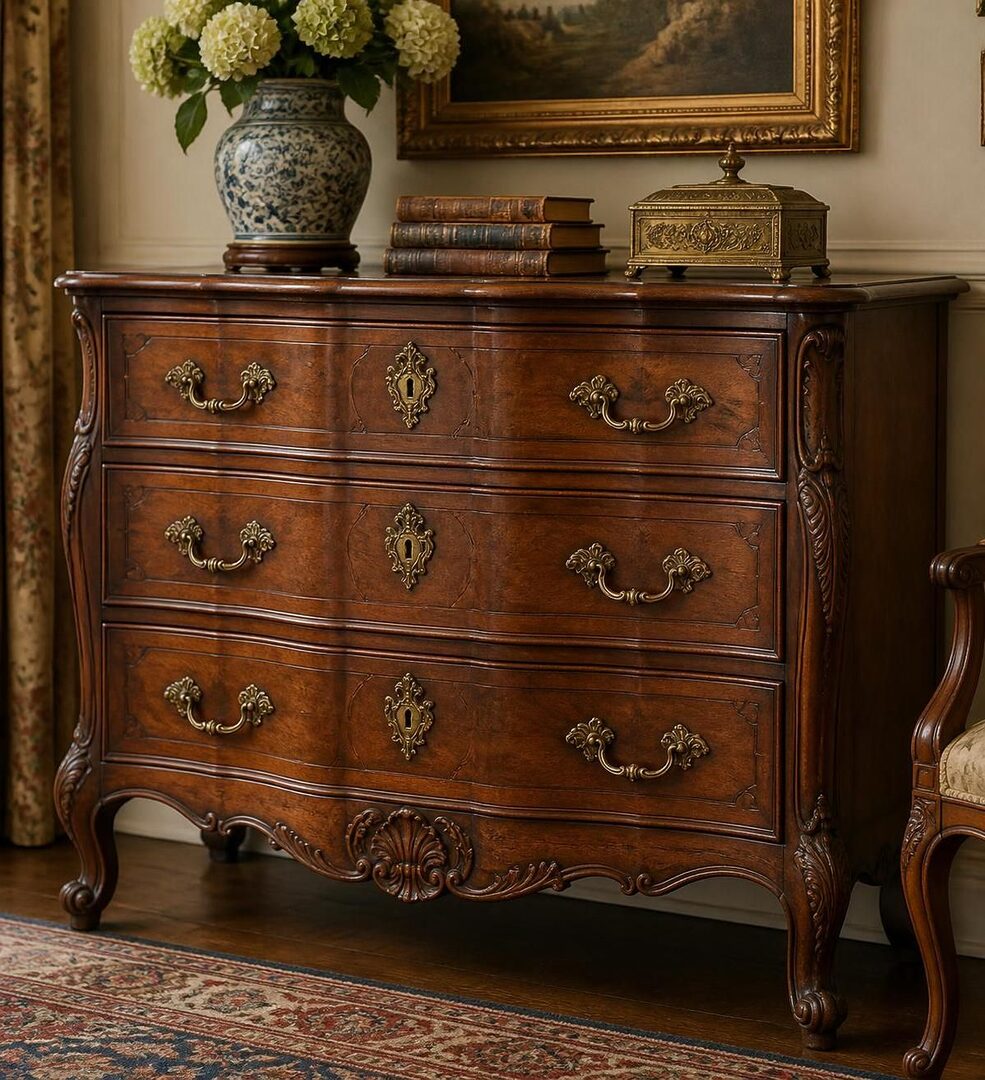
Popular Antique Dresser Styles and Their Defining Characteristics
Each antique dresser style reflects the wider cultural and artistic trends of its time, offering a visual language that enthusiasts can learn to read. Familiarity with these styles can streamline the identification process substantially.
Queen Anne: Graceful Elegance in Wood
Queen Anne dressers are renowned for their refined aesthetics featuring cabriole legs and minimal yet tasteful carvings. Commonly crafted from walnut, mahogany, or maple, these dressers exude a sense of understated luxury. Their curved legs and simple drawer fronts reflect early 18th-century British influences, blending formality with comfort—a style favored in many colonial American homes.
Victorian: Ornate and Opulent
The Victorian era is synonymous with extravagance, and its dressers often show this through heavily carved details, rich mahogany or walnut woods, and sometimes marble tops. The complexity extends to decorative mirror frames and feet, producing an imposing presence that speaks to late 19th-century preferences. Victorian hardware may include elaborately cast brass handles and keyholes enhanced with ornamental escutcheons, emphasizing craftsmanship and luxury.
Rococo: French Royal Splendor
Originating from 18th-century France, Rococo dressers exhibit lavish scrollwork, floral carvings, and gilded elements. Their curves follow natural, fluid forms, such as the signature C- and S-shaped motifs. These dressers utilize woods like cherry and walnut, often incorporating rich veneer patterns and delicate gilt accents. The overall effect is one of theatrical sophistication, making them statement pieces in any space.
Edwardian: Lightness and Ornamentation
Edwardian dressers balance elegance with restraint, featuring tapered legs and lighter wood species such as pine and oak. Ornamentation includes floral inlays and brass handles that offer decorative interest without overwhelming the design. This style emerged in the early 20th century and reflects a transition toward modernity while respecting traditional fine woodwork techniques.
Sheraton: Neoclassical Simplicity
Sheraton dressers are characterized by straight, tapered legs and geometric lines. Typically made from mahogany or satinwood, they incorporate nature-themed details and delicate inlays complete with brass or metal hardware. The style emphasizes proportion and balance, aligning with neoclassical ideals popular in the late 18th century.
Art Deco: Geometric Flair and Modern Materials
Representing the early 20th-century fascination with modernism, Art Deco dressers showcase sharp angles, sleek curves, and rich, polished veneers. Incorporation of lacquer, chrome accents, and exotic materials like zebrawood or ebony veneer sets them apart. These dressers often include built-in round mirrors or layered veneer patterns that reflect contemporary tastes of the 1920s and 1930s.
| Style | Wood Type | Key Features | Common Hardware | Period |
|---|---|---|---|---|
| Queen Anne | Walnut, Mahogany, Maple | Cabriole legs, minimal carving, graceful curves | Wooden knobs or brass pulls | Early 1700s |
| Victorian | Mahogany, Walnut | Intricate carvings, marble tops, ornate mirrors | Heavy brass handles | Mid-Late 1800s |
| Rococo | Cherry, Walnut | C- and S-shaped scrolls, gilded carvings | Decorative brass or gilt hardware | 18th century |
| Edwardian | Pine, Oak | Tapered legs, floral inlays, lighter woods | Brass handles | Early 1900s |
| Sheraton | Mahogany, Satinwood | Straight tapered legs, nature motifs | Stamped brass pulls | Late 1700s – Early 1800s |
| Art Deco | Zebrawood, Ebony, Lacquered wood | Geometric designs, sleek curves, exotic veneers | Chrome or metal accents | 1920s – 1930s |
Understanding and recognizing these styles allows for accurate categorization of antique dressers, whether assessing their historical significance or market value.
Assessing Antique Dresser Value: Material Quality, Condition, and Provenance
The value of an antique dresser goes far beyond its initial appearance. Exceptional material, craftsmanship, condition, and documented history all contribute to a piece’s monetary and aesthetic worth.
Material and Craftsmanship: High-quality woods like maple, satinwood, mahogany, and oak often carry higher value, especially when paired with uncommon veneers or intricate inlays. Hand-cut dovetail joints and meticulous carvings signify skilled craftsmanship, which collectors highly prize. For example, a dresser with symmetrical inlaid wood patterns or expertly finished hand-carved panels often commands premium prices in the marketplace.
Condition and Restoration: While antique dressers inevitably show signs of age, severe damage like cracking, missing parts, or poor repairs can dramatically reduce value. Pieces retaining original finish usually score higher because the patina reflects authentic aging. However, skillful, professionally done restoration can sometimes enhance value by preserving structural integrity and aesthetic appeal without compromising originality.
Provenance and Documentation: Pieces bearing identifiable maker’s marks, labels, or stamps tied to renowned craftsmen or furniture houses often provide provenance that significantly boosts worth. Additionally, documented history — such as ownership records or original purchase receipts — can authenticate the dresser’s background, reassuring collectors and adding to its investment appeal.
When evaluating an antique dresser:
- Check for original finishes and signs of professional restoration.
- Inspect the quality of the wood and joinery for craftsmanship.
- Look for maker’s marks or labels to establish provenance.
- Consider the practicality of usage versus condition—extremely worn pieces may require costly repair.
Understanding these valuation criteria helps avoid overpaying for reproductions or pieces with minimal historical importance, guiding more informed purchasing and selling decisions.
Dating and Authenticating Antique Dressers: Techniques and Expert Resources
Authenticating and dating antique dressers involves piecing together evidence from construction, design elements, and materials to arrive at an informed estimate of age and origin. These analyses aid collectors, sellers, and buyers in confirming the legitimacy and historical context of a piece.
Distinguishing Features: Styles such as Queen Anne with fluid cabriole legs or Sheraton with sharp neoclassical ornaments provide immediate identification clues. Attention to drawer shapes, leg types, and the placement and style of carvings also improve accuracy.
Signs of Age: Original hand-cut joinery, worn patina, and antique hardware styles validate the dresser’s era. Uneven dovetail joints, natural wear marks, and oxidized brass pulls are all positive indicators of genuine age. The look and type of wood also correspond to specific periods, such as rosewood in Victorian pieces or ash in Edwardian furniture.
When in doubt, professional appraisal is a valuable resource. Appraisers specialize in recognizing subtle features that may escape the untrained eye and can provide detailed reports highlighting style, authenticity, and estimated market value. Photographic documentation, provenance, and detailed descriptions assist the process. For serious buyers or sellers, such expert evaluation safeguards investment and ensures confidence in transactions.
Strategies for Buying Antique Dressers and Avoiding Scams
Locating authentic antique dressers requires strategic searching combined with a critical eye. The market includes reputable sources as well as sellers who might misrepresent condition or originality.
Where to Buy: Trusted antique shops typically vet their inventory, offering a chance to inspect furniture intimately. Online platforms like Etsy and eBay provide convenience and variety but demand careful vetting through seller ratings, photos, and detailed inquiries. Garage sales or estate sales may yield bargains but require advanced knowledge to distinguish genuine antiques from reproductions.
Buyer Protection Tips:
- Study different dresser styles and period features to identify authenticity confidently.
- Seek out maker’s marks or labels and verify their credibility through reference materials.
- Evaluate construction quality and hardware to detect signs of reproduction.
- Whenever possible, request or provide detailed photographs and descriptions, and keep purchase documentation for reference.
- Exercise caution when deals appear too good to be true or when sellers are reluctant to share information.
Developing a trusted network of dealers and appraisers adds protection in a market where reproductions and misattributions are common. This diligence ensures that investment in antique dressers remains both enjoyable and financially sound.
What are the easiest features to check when identifying antique dresser styles?
Start by looking at the wood type, joinery technique (especially dovetail joints), hardware style, and overall design motifs such as leg shapes and carvings.
How can I tell if a dresser is genuinely antique or a reproduction?
Examine irregularities in hand-cut joinery, patina on wood and hardware, and look for maker’s marks. Professional appraisal is recommended if uncertainty persists.
Does restoration affect the value of an antique dresser?
Properly done restoration can preserve or even enhance value. However, over-restoration or poorly executed repairs can decrease authenticity and worth.
Which antique dresser styles are most valuable today?
Styles like Queen Anne, Victorian, and Sheraton tend to be highly sought after, especially when in good condition with provenance. Rarity and quality craftsmanship also influence value.
Are there reliable sources to buy antique dressers online?
Verified sellers on platforms such as Etsy and eBay with strong ratings are good options. Always request detailed photos and provenance documentation.

At 33 years old, I specialize as a Licensed Residential Real Estate Advisor and Property Market Analyst. With a deep understanding of market trends and client needs, I provide strategic insights and personalized guidance to help clients make informed real estate decisions.