California’s coastline boasts some of the most innovative examples of modern architecture, and few homes stand out quite like a glass house perched dramatically on its rugged shores. These homes, defined by their transparent walls, minimalist style, and dedication to eco-friendly design, provide an immersive living experience where panoramic views and natural light become central elements of daily life. Nestled on the Sonoma Coast, one such residence—commonly known as the Glass House—offers a striking example of how architecture can harmonize with nature, blending cutting-edge materials and energy efficiency with the raw beauty of the Pacific Ocean. The property stretches over 3 acres atop Cemetery Point, a site immortalized by photographer Ansel Adams for its breathtaking vistas and dramatic cliffs. Here, the convergence of art, architecture, and environment culminates in a residence that is as much a work of art as a home.
In this exploration, the unique features of this California glass house reveal the interplay between innovation and tradition, highlighting how modern construction techniques and design philosophies ensure that the house is not only visually captivating but also functionally advanced. The use of Starphire glass allows for crystal-clear, uninterrupted views of the ocean, while maintaining superior energy efficiency. Inside, the minimalist interior expands the sense of openness, promoting a seamless indoor-outdoor experience that is both tranquil and invigorating. Whether launching a kayak from the private beach or relaxing in the custom stone hot tub as waves crash nearby, this home leverages its exceptional architecture to create an unmatched lifestyle that invites residents to fully engage with their surroundings.
The Glass House embodies the sophistication of modern coastal living in California, revealing how residential design has evolved to prioritize transparency, sustainability, and connection to nature. This article delves into the specific architectural and environmental features that define this property, analyzing the benefits and challenges posed by such a distinctive dwelling. As the real estate market continues to value eco-conscious and design-forward homes, understanding what makes a glass house unique in this region offers valuable insights for prospective buyers, investors, and enthusiasts of innovative residential architecture.
- Seamless connection to the natural coastal environment through transparent walls
- Utilization of energy-efficient materials like Starphire glass to optimize insulation and light
- Minimalist styling that emphasizes openness and panoramic ocean views
- Incorporation of eco-friendly landscape design and sustainable property management
- Unique location on Cemetery Point with access to private beach and native gardens
Architectural Innovation and Design Principles in California’s Glass Houses
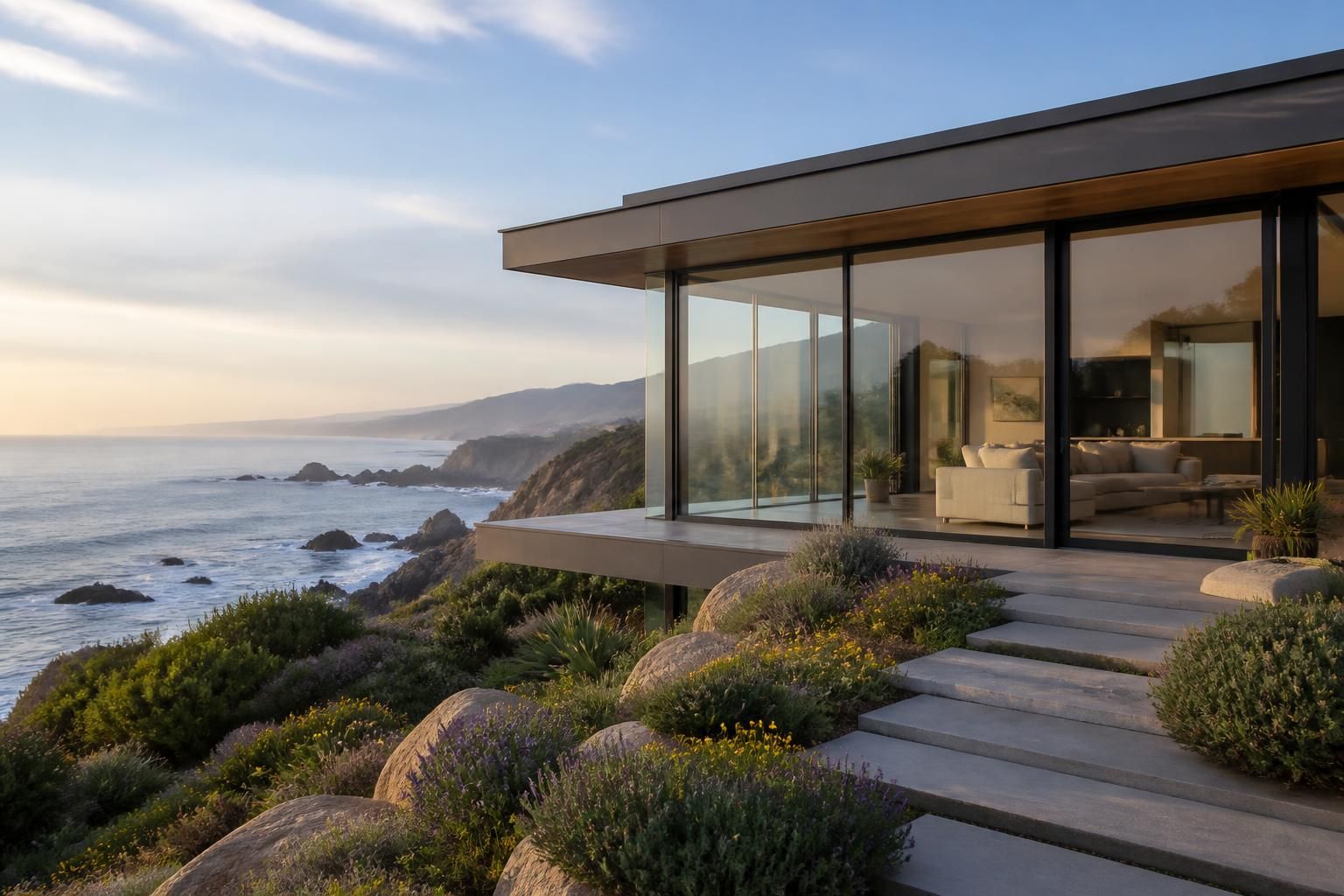
Glass houses have redefined the possibilities of residential construction by integrating technology, aesthetics, and nature. The Glass House on the Sonoma Coast illustrates how Richard Clements, Jr., an architect inspired by Frank Lloyd Wright’s organic architecture, adapts these principles to a modern California coastal setting. This residence’s transparent walls extend living spaces visually into the surrounding landscape, dissolving traditional boundaries between indoors and outdoors. The structural design incorporates innovative materials, most notably Starphire glass, a low-iron glass renowned for its increased clarity and superior energy efficiency compared to conventional glazing. This feature allows homeowners to relish unobstructed views of the Pacific Ocean and wildlife such as whales and seabirds while maintaining thermal stability indoors.
Moreover, minimalist style aesthetics underpin the interior design, reducing ornamentation to accentuate architectural form and natural light. Floor-to-ceiling glass panels maximize exposure to daylight, creating a vibrant environment that adjusts naturally with the movement of the sun. This design supports mental well-being and reduces reliance on artificial lighting, aligning with eco-friendly goals increasingly emphasized in residential real estate developments in California. The home was never meant for resale, allowing uncompromising adherence to design and finish quality. Luxurious elements such as a custom stone hot tub and a stately fireplace blend harmoniously with the minimalist concept, balancing comfort and raw simplicity.
The home’s layout takes full advantage of its site, perched 300 feet above the crashing surf. Multiple decks provide varied vantage points for experiencing panoramic views, weather, and wildlife activity, while extensive landscaping incorporates native plants like heather and succulents. This landscaping is not only aesthetically pleasing but also reduces water usage, contributing to the property’s overall eco-friendly design. The private path leading through this carefully curated terrain emphasizes a quiet, immersive encounter with nature before even reaching the residence. Such thoughtful architectural and environmental integration underscores the potential for glass houses to fuse artful design with sustainability without compromising functionality.
Natural Light and Energy Efficiency: Foundations of Sustainable Living
One of the defining characteristics of a glass house is the abundant natural light that floods the interior spaces, reducing the need for artificial illumination during the day. The Glass House on the Sonoma Coast employs advanced glazing technologies to optimize sunlight penetration while minimizing heat gain and loss. Starphire glass, used extensively throughout the home, is engineered to transmit higher visible light with less distortion or tint, which not only elevates the aesthetic experience but also improves energy efficiency. This is critical in California, where sustainable residential design increasingly intersects with stringent energy codes and the state’s broader climate goals.
Natural light enhances the psychological and physiological well-being of inhabitants by nurturing circadian rhythms and reducing exposure to synthetic lighting. The design’s strategic orientation ensures that light enters spaces throughout the day, creating dynamic patterns and fostering a vibrant living environment. Additionally, the home’s insulation and climate control systems capitalize on passive solar heating during cooler months while mitigating overheating in summer through shading and ventilation tactics embedded within the architecture.
Energy efficiency also extends beyond materials to include eco-conscious landscaping and water management practices. The use of drought-resistant native flora, including succulents and heather, minimizes irrigation requirements in response to California’s frequent drought conditions. By integrating sustainable landscaping with the home’s design, owners reduce their environmental footprint and enjoy lower maintenance costs. This holistic approach typifies the rising trend toward combining modern architectural innovation with responsible stewardship of natural resources.
Location and Environment: The Sonoma Coast Experience
The Glass House’s unique placement on Cemetery Point defines much of its allure. This elevated promontory, named by renowned photographer Ansel Adams, projects 300 feet into the Pacific Ocean, offering a commanding presence and unparalleled views. The house benefits from immediate access to a private beach via an isthmus bordered by cliffs, creating both seclusion and exclusive interaction with the coastal ecosystem. The site features Cemetery Creek, a natural watercourse with notable winter waterfalls that connect the property to the oceanic environment.
This proximity to raw nature introduces both opportunities and challenges in management and maintenance, including exposure to salt spray, ocean winds, and shifting weather patterns. The architecture addresses these factors through durable, corrosion-resistant materials and thoughtful structural engineering designed to withstand the coastal environment. Beyond its robustness, the property invites active lifestyles tied to its location—for example, kayaking directly from the beach, diving for abalone, and fishing from the decks. These activities exemplify how this glass house transcends typical residential experiences, offering an immersive liaison between inhabitants and nature.
The landscaping surrounding the property cultivates native plant species, enhancing biodiversity and mitigating erosion on steep coastal slopes. This ecological sensitivity is crucial for compliance with California coastal commission regulations and reflects responsible property stewardship. The Glass House exemplifies how residential architecture can embrace a site’s natural features while protecting and enhancing the local environment.
Luxury and Functionality in Minimalist Coastal Homes
While minimalist in style, this California glass house does not compromise on luxury or functionality. The careful selection of finishes and fixtures exemplifies how refined materials and attention to detail bring comfort to a highly transparent, open-plan environment. The single bedroom and bath configuration maximizes privacy without sacrificing the spacious sensation that large glass walls provide. The integration of custom features such as a stone hot tub overlooking the ocean adds wellness dimensions deeply connected to nature.
The lower living area centers around a grand fireplace that provides warmth and ambiance, creating a cozy retreat against the backdrop of expansive ocean views. This balance of warmth and light serves as a psychological anchor for residents, highlighting how design can shape emotional responses to space. The multiple decks surrounding the home allow for flexible outdoor living, extending usable space and fostering connection with the environment regardless of the season.
Investing in such a property involves considerations unique to glass houses, including maintenance of large glass surfaces and protection against harsh coastal elements. However, buyers interested in this lifestyle often appreciate how the home’s innovative and sustainable features may contribute to long-term value. For those drawn to modern architecture, transparent walls, and panoramic views, this residence represents not only a home but an architectural statement rooted in California’s coastal identity.
Comparing Glass House Features: Benefits and Considerations
| Feature | Benefits | Considerations |
|---|---|---|
| Transparent Walls | Maximize natural light and panoramic views; enhance connection with nature | Require rigorous cleaning and privacy solutions; potential heat gain/loss without advanced glazing |
| Starphire Glass | High clarity with low iron content; excellent energy efficiency and UV protection | Higher upfront cost compared to standard glass; specialized installation needed |
| Minimalist Style | Creates open, clutter-free living spaces; emphasizes architectural elements and light flow | Limited storage space; requires thoughtful organization strategies |
| Eco-Friendly Landscaping | Reduces water usage; supports local biodiversity; low maintenance | May limit exotic plant choices; requires native plant knowledge |
| Coastal Location | Offers unique outdoor activities, private beach access, scenic views | Exposure to harsh weather; higher maintenance costs for materials |
Prospective owners and real estate professionals interested in such homes can also explore modern bungalow house design trends to understand how minimalist principles are influencing broader Californian housing styles. Similarly, insights on designing luxury outdoor spaces can complement understanding of how outdoor living areas on properties like the Glass House enhance resident comfort and property appeal.
What are the primary advantages of living in a glass house in California?
Glass houses provide unparalleled natural light, panoramic views, and seamless integration with the outdoors, supporting a lifestyle connected to nature and reducing reliance on artificial lighting through energy-efficient materials.
How does the use of Starphire glass impact energy efficiency?
Starphire glass offers higher clarity and better UV protection than standard glass, improving insulation and reducing energy consumption for heating and cooling—a critical factor in California’s sustainable home design.
What maintenance challenges are associated with glass houses?
Owners should be prepared for frequent cleaning of glass surfaces to maintain clarity, as well as investing in durable materials to withstand coastal weather conditions and managing privacy effectively with window treatments or landscaping.
Are glass houses suitable for multi-bedroom residential needs?
While many glass houses are designed with minimalist layouts such as one or two bedrooms, custom design options exist to maximize space efficiency, as discussed in resources like design tips for a two-bedroom house that maximizes space.
How does the coastal environment influence property value?
Properties situated on coastal promontories with private beach access typically command premium prices due to their unique location and lifestyle; however, prospective buyers need to consider maintenance costs linked to weather exposure and regulatory restrictions.

At 33 years old, I specialize as a Licensed Residential Real Estate Advisor and Property Market Analyst. With a deep understanding of market trends and client needs, I provide strategic insights and personalized guidance to help clients make informed real estate decisions.