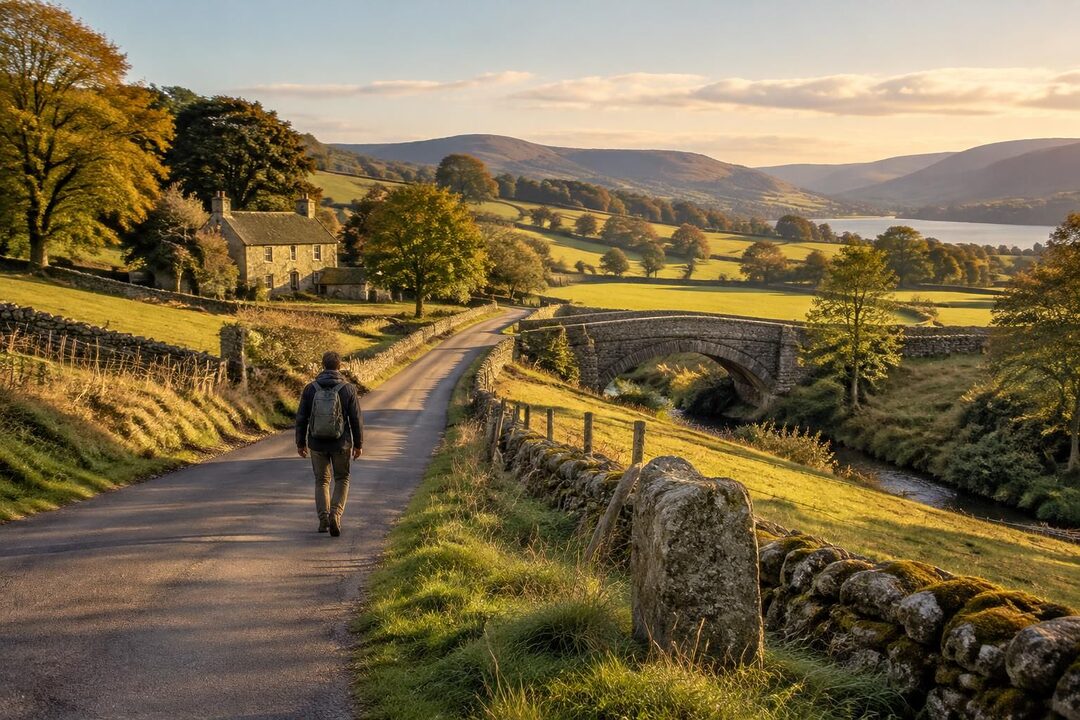
Evergreen offers photographers a rare combination: mountain-town character within an easy day-trip distance of Denver, with evergreen forests, open meadows, granite formations, and a lake that changes dramatically with the seasons. The strongest Evergreen Colorado photo spots are not limited to one postcard viewpoint. They include familiar landmarks such as Evergreen Lake and the Three Sisters, as well as quieter trail segments where shifting light, weather, and patience can make an ordinary outing feel distinctly local.
For 2026 visitors, planning matters as much as choosing a location. Snow and ice affect access in winter, afternoon storms can build over the foothills in warmer months, and wildlife should be photographed from a respectful distance. A useful approach is to pair one accessible stop with a longer walk, check current park and trail information before leaving, and leave room in the schedule for changing light. That flexibility helps photographers capture Colorado mountain scenery without treating the landscape as a checklist.
In brief
- Evergreen Lake is a convenient choice for reflections, shoreline scenes, and seasonal views near the Lake House.
- Alderfer/Three Sisters Park offers granite formations, forest trails, and broad foothill vistas.
- Elk Meadow and Maxwell Falls provide opportunities for wildlife, forest, and waterfall photography, with conditions that vary by season.
- Mount Falcon and Lair o’ the Bear offer contrasting views: open ridgelines at one and creekside greenery at the other.
- Plan around weather, trail rules, parking, and wildlife etiquette; the best light is not worth disturbing a habitat or taking an avoidable risk.
Evergreen Lake Photos and Historic Downtown Scenes
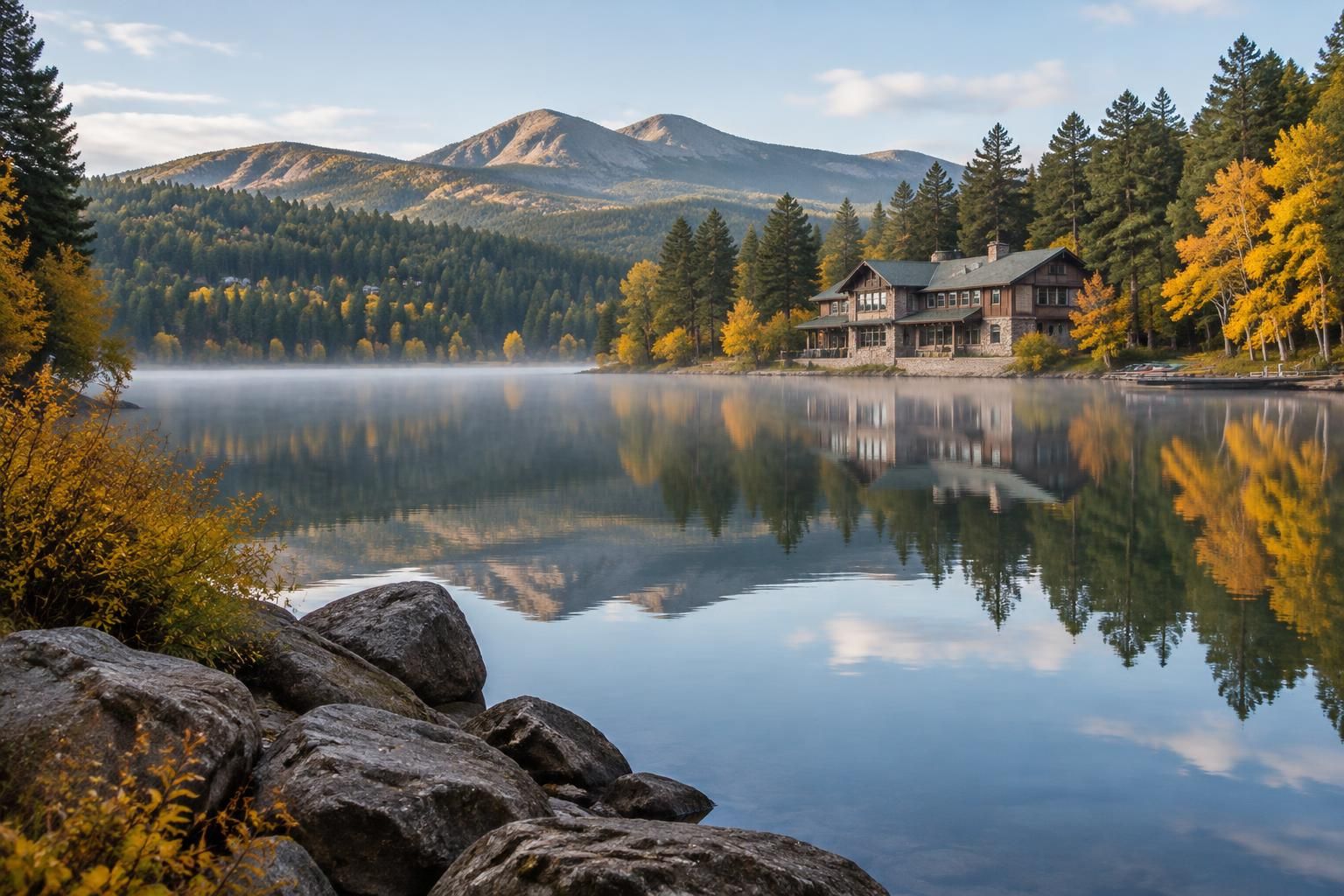
Evergreen Lake is one of the most accessible places to begin Evergreen Colorado photography. The lake sits beside the historic center, so a photographer can move between water, wooded edges, and downtown streets without committing to a strenuous hike. In calm conditions, the surface can reflect surrounding trees and sky; on breezy days, ripples turn those reflections into a softer pattern. Either way, changing cloud cover gives the same shoreline a different character over the course of a morning.
For Evergreen Lake photos, consider framing the water with the Lake House, a stand of trees, or the curve of the shore rather than photographing only an open expanse. A wide view communicates the setting, while a tighter composition can emphasize reflections, ice patterns, or the contrast between dark conifers and bright snow. In winter, the lake may host skating when conditions and operations permit, but natural ice conditions and access can change. Check local updates before heading out, and stay within posted boundaries rather than stepping onto unapproved ice for a more dramatic angle.
Timing, light, and simple compositions
Early morning often brings fewer people and more subdued light, which can help preserve detail in snow and water. The low angle of the sun may also create long shadows along the shore. Late afternoon can add warmth to nearby buildings and hills, although reflections are less dependable if wind picks up. A visitor arriving around midday can still make strong images by using tree trunks or the Lake House as foreground elements and avoiding a large patch of featureless bright sky.
Downtown Evergreen adds an architectural counterpoint to the natural setting. The wooden walkways, older storefronts, and Bear Creek corridor invite detail photographs that show the town as a lived-in community rather than a backdrop. Look for visual relationships: a storefront reflected in a window, a bridge leading toward the creek, or a row of trees framing a street. These details can be more memorable than a straight-on building photograph, especially when the composition includes signs of everyday activity without intruding on residents or business patrons.
Photographer Maya, for example, might start with a quiet shoreline frame, walk into downtown for storefront textures, then return to the lake as the light changes. That plan gives her a range of images without requiring a vehicle between every stop. Parking can become busy during popular periods, so checking local parking information and allowing time to walk from a legal space is more reliable than assuming a spot will be available beside the water.
Because the lake and town are close together, this area works well for families, visitors with limited time, and anyone carrying a tripod or heavier camera equipment. It also provides a useful visual introduction before heading toward more rugged Evergreen hiking trails. The key is to treat the lake as a changing scene: reflections, weather, seasonal activity, and the town’s human scale all contribute to the photograph.
Alderfer/Three Sisters Park for Granite Formations and Colorado Mountain Scenery
Alderfer/Three Sisters Park is a strong choice for photographers seeking a more distinctly foothill setting. Its recognizable granite formations rise above forest and trail, giving compositions a clear subject even when the wider landscape is hazy. The park’s network includes routes with different lengths and elevation demands, but trail conditions and access can vary. Before setting out, check current park information, choose a route that matches the group’s ability, and allow more time than a map estimate might suggest when stopping frequently for photographs.
The Three Sisters and nearby rock features can be photographed from established trails and open areas. A wide-angle view can show how the formations sit among trees, while a longer focal length can isolate a particular face of granite against the sky. On bright days, the stone’s texture may be most legible when the sun is not directly overhead. Overcast light can also be useful: it reduces harsh contrast and brings out subtle color in lichen, bark, and rock surfaces.
Choosing a trail viewpoint
Not every compelling image requires reaching a summit. A short walk can reveal a foreground of pine needles, a bend in the path, or a gap between trees that frames the formations. Those elements create depth and help explain the scale of the landscape. For a family session, choosing a broad, established area near the trail can make it easier to manage equipment and keep everyone together. Avoid climbing onto fragile vegetation or unstable rock simply to gain a few feet of elevation.
Hikers sometimes combine the park’s lower, gentler sections with a steeper route toward Evergreen Mountain. That choice can produce a wider outlook, but elevation gain and uneven terrain make it a more demanding outing. At roughly 7,200 feet in the Evergreen area, visitors arriving from lower elevations may feel exertion sooner than expected. Carry water, take a measured pace, and turn back if weather or fatigue changes the plan. For photography, the best decision is often to preserve enough energy to return safely rather than pursue one more viewpoint.
Spring and summer bring opportunities for Colorado wildflower photography, though blooms differ by elevation, rainfall, and timing. Photograph flowers without picking them or stepping off trail into concentrated patches. A close composition can use a small group of blooms in the foreground with granite softened behind them, while a wider frame can show how flowering plants fit into the larger habitat. Macro-style images benefit from calm conditions; even a light breeze can move a small subject enough to blur it.
In autumn, golden grasses and changing foliage add color to the park’s gray stone and dark evergreens. Winter can simplify the scene into strong shapes and tonal contrast, but snow and ice call for traction and careful footing. The park’s trails are shared by walkers, runners, and, where permitted, other users, so stepping aside safely and keeping camera gear clear of the path helps everyone pass. For photographers comparing Evergreen Colorado photo spots, Alderfer/Three Sisters stands out because it offers both iconic rock forms and a variety of smaller, quieter compositions.
Elk Meadow and Maxwell Falls for Wildlife and Forest Photography
Elk Meadow Park offers a different visual experience from the granite outcrops. Broad meadow views, tree lines, and the possibility of seeing elk make it a rewarding location for patient photographers. Wildlife sightings are never guaranteed, and elk are large animals that need space. Use a long lens when available, remain on permitted routes, and never approach, feed, or surround an animal for a photograph. If an elk changes its behavior because of a person’s presence, the person is too close.
Dawn and dusk can be favorable for observing wildlife, but they also bring low light and reduced visibility on trails and roads. A tripod or higher ISO setting may help, but safe movement takes priority over image sharpness. During calving or rutting periods, elk may be particularly defensive. Follow current park guidance, keep dogs under control according to posted rules, and respect any temporary closures or restoration areas. These choices protect both visitors and the animals that make the meadow distinctive.
Framing open meadow and distant ridges
Rather than centering every animal, use the meadow itself to tell the story. A small elk in a broad frame can convey scale, while a line of trees can guide the eye toward the foothills. On a clear morning, the distant ridges may appear crisp; after changing weather, clouds can add atmosphere but may also obscure the view. Photographers should avoid walking into sensitive grassland just to create a cleaner foreground. A modest change in lens position from an established trail often provides a strong composition without trampling vegetation.
For a more enclosed landscape, Maxwell Falls offers forest, rocky terrain, and a waterfall whose flow responds to snowmelt and seasonal moisture. The route includes options that differ in length and difficulty, and trailhead choices can affect how much climbing is involved. Consult an up-to-date map and local trail information before departing, since an online description may not reflect temporary conditions. The falls are not a guaranteed spectacle at a fixed volume; in a drier period, smaller cascades and the surrounding rock may be the more compelling subjects.
Waterfall photography benefits from deliberate choices. A faster shutter speed can preserve droplets and turbulence, while a longer exposure can soften moving water; the latter generally requires a stable camera and attention to bright highlights. A polarizing filter, if available, may reduce reflections on wet rock, but it is not essential. In winter, ice can form around the falls and along the route. That creates striking textures, but also increases the risk of slipping, so traction and conservative route decisions matter more than reaching a particular frame.
Maxwell Falls is popular, and narrow trail sections leave little room to stop without blocking others. Move to a safe pullout before adjusting a tripod, let other hikers pass, and pack out all waste. A practical day can pair a short waterfall outing with a separate visit to Elk Meadow rather than trying to cover every trail in one rushed schedule. Together, these places show why Evergreen Colorado photography can shift from open wildlife habitat to intimate forest detail within a relatively small area.
Mount Falcon and Lair o’ the Bear: Ridgelines, Creek Views, and Seasonal Color
Mount Falcon Open Space provides a more expansive perspective on the foothills, with trails that climb from forest toward open slopes and overlooks. It is a useful location for photographers who want layers of terrain rather than a single foreground subject. From an appropriate viewpoint, trees, ridgelines, and distant plains can form a sequence of horizontal bands. The exact view depends on the route, weather, and visibility, so check park maps and conditions before choosing a destination.
Photographers interested in Colorado sunset locations may find Mount Falcon’s open areas appealing, but a sunset outing requires planning for the return. Sunset times change throughout the year, and darkness arrives quickly on a trail. Carry a headlamp, allow enough time to descend, and avoid unfamiliar routes late in the day. Clouds can produce dramatic color, yet they can also bring wind, rain, or lightning. In the foothills, changing weather is a reason to turn around, not a cue to seek a more exposed ridge.
Photographing ridges without losing the sense of place
A wide landscape image can be effective, but a foreground anchor makes it more legible. A trail curve, a weathered tree, or a patch of grass can lead from the bottom of the frame toward the horizon. If the distant view is washed out, shift attention to closer textures such as bark, stone, or seed heads. Those details still communicate the season and setting, even when haze limits long-distance visibility.
Lair o’ the Bear Park provides a contrasting, creekside environment. The Bear Creek corridor is shaded and greener than the exposed slopes at Mount Falcon, creating opportunities for reflections, flowing water, and leafy foregrounds. The creek-side setting can be especially appealing on warm days, but visitors should remain aware of water levels and stay out of restricted or unsafe areas. Picnic facilities and popular trail segments can bring crowds, so a quieter image may be easier to make early in the day or away from the busiest access points.
The two locations can suit different photography goals in one trip, but they should not be treated as interchangeable. Mount Falcon emphasizes elevation and broad views; Lair o’ the Bear emphasizes water, shade, and a more enclosed environment. For a family portrait, creekside shade may make exposure easier than direct sun on an open ridge. For a landscape session, the higher route may provide stronger visual depth, provided the group is prepared for the climb.
Visitors may also notice Dunafon Castle from parts of the Lair o’ the Bear area. It is a private venue, not a public site to enter or photograph from restricted grounds. Respect property boundaries and use only public access points. This distinction matters in a region where scenic buildings and homes can appear close to trails; a compelling photograph never requires crossing onto private land. Taken together, Mount Falcon and Lair o’ the Bear illustrate how changing elevation and water can broaden a portfolio without driving far from Evergreen.
Planning Evergreen Colorado Photography Beyond Town
Evergreen also works as a base for nearby scenery, but distance and access should be judged realistically. Red Rocks Park, near Morrison, is a separate destination with its own roads, visitor patterns, and rules. Its sandstone formations and amphitheater create a recognizable setting for Red Rocks Park photography, especially when changing light brings out color and texture in the rock. It is not an Evergreen neighborhood location, so allow time for the drive and check the venue’s schedule and park access before planning around a particular viewpoint.
For photographers considering high-country scenery, the route toward Mount Blue Sky—formerly known as Mount Evans—can offer dramatic alpine landscapes when roads are open and conditions allow. Access is seasonal and may be affected by weather, maintenance, or management decisions. Check official road and recreation updates before traveling; do not assume a road, summit area, or facility is open simply because a map shows it. Higher elevation also increases exposure to cold, wind, and altitude effects, even during warmer months. A foothills itinerary should not be treated as a substitute for high-country preparation.
A practical photo-day plan
One simple itinerary might begin with lake and downtown scenes, continue to Alderfer/Three Sisters for a moderate walk, and finish with a lower-elevation viewpoint only if daylight and weather remain favorable. Another might pair a morning wildlife watch at Elk Meadow with an afternoon creek walk at Lair o’ the Bear. These examples are starting points, not promises about travel times or trail conditions. Check current parking, closures, and local guidance before setting a schedule, and avoid overloading a day with locations that require different gear or long drives.
The following comparison helps match a location to the image a visitor wants to make:
| Location | Photographic strengths | Planning consideration |
|---|---|---|
| Evergreen Lake | Water reflections, town details, seasonal shoreline scenes | Busy periods can affect parking and shoreline access |
| Alderfer/Three Sisters | Granite formations, forest, foothill panoramas, wildflowers | Select a route suited to fitness and current trail conditions |
| Elk Meadow | Open landscapes and possible elk sightings | Keep substantial distance from wildlife and follow closures |
| Maxwell Falls | Forest textures, cascades, seasonal ice | Water flow varies; footing may be difficult in winter |
| Mount Falcon | Ridgelines and broad views, including late-day light | Plan the return before sunset and monitor weather |
| Lair o’ the Bear | Creek scenes, shade, and lush vegetation | Respect water conditions and private property boundaries |
Good travel photography depends on more than choosing a scenic landmark. Carry water, dress in layers, protect equipment from sudden weather, and keep a map available when cell service is unreliable. At higher elevations, take time to adjust to exertion rather than assuming a short distance will feel easy. Keep trails clear when stopping to compose, and leave plants, rocks, and historic features as found.
For visitors seeking Mount Evans views, use the current official name, Mount Blue Sky, when checking access information while recognizing that older maps and local references may still use the former name. Whether the day stays near the lake or reaches higher elevations, a flexible plan creates room to respond to real conditions. The most dependable Evergreen Colorado photo spots are the ones that can be enjoyed safely, with enough time to observe how the light and landscape change.
What is the easiest place to take photos in Evergreen, Colorado?
Evergreen Lake and historic downtown are convenient starting points because they offer water, trees, and town details close together. Check current parking and access information, especially during busy periods.
When is the best time for Evergreen Lake photos?
Early morning often brings quieter conditions and softer light, while late afternoon can warm nearby buildings and hills. Wind, cloud cover, and seasonal activity all affect the results.
Can visitors photograph elk at Elk Meadow?
Visitors may see elk, but sightings are not guaranteed. Photograph from a safe distance, remain on permitted routes, follow posted rules, and never approach or feed wildlife.
Are Mount Blue Sky and Red Rocks in Evergreen?
No. Mount Blue Sky and Red Rocks Park are separate destinations in the broader region. Check their current access information and allow for the additional travel when planning a photography day based in Evergreen.

At 33 years old, I specialize as a Licensed Residential Real Estate Advisor and Property Market Analyst. With a deep understanding of market trends and client needs, I provide strategic insights and personalized guidance to help clients make informed real estate decisions.