
Chesapeake VA condominiums can offer a practical path to homeownership for buyers who want a private residence without taking on every maintenance task associated with a detached house. In a city with varied housing choices, from established communities to newer developments, condominium ownership may suit first-time buyers, downsizers, and households seeking a more manageable property. The value is not simply a smaller footprint: it can also come from shared amenities, predictable responsibilities, and a location that fits the owner’s daily routine.
The benefits depend on the specific community, its governing documents, monthly fees, reserves, and maintenance practices. A condominium with a pool or fitness room may appeal to one buyer, while another may prefer a quieter building with fewer shared facilities and lower recurring costs. Comparing the full cost of ownership—not just the listing price—helps buyers decide whether the condo lifestyle matches their finances, priorities, and plans for the future.
In Brief: What Chesapeake VA Condominium Buyers Should Know
- Low-maintenance living can reduce the time owners spend on exterior upkeep, although the association’s responsibilities and the owner’s duties must be confirmed.
- Community amenities may provide convenient access to shared facilities, but their value should be weighed against monthly assessments and operating costs.
- Condominium fees are only part of the budget. Buyers should also review insurance, utilities, taxes, assessments, and the association’s financial condition.
- Chesapeake neighborhoods differ. Location, commute patterns, services, property condition, and potential environmental exposure vary from one community to another.
- Resale and investment potential are property-specific. Association rules, demand, financing eligibility, and comparable sales all affect the outlook.
How Chesapeake VA Condominiums Support Low-Maintenance Living
One of the most tangible condominium benefits is a different division of maintenance work. In many communities, the association handles some shared or exterior responsibilities, such as landscaping, common hallways, roofs, or building systems. The exact arrangement is set out in the governing documents; the word “condominium” alone does not tell a buyer which repairs are covered. Owners remain responsible for their unit and may have obligations that extend beyond the interior, so reviewing the declaration, bylaws, and rules is essential.
Consider a hypothetical buyer, Dana, who works long hours and travels several times a year. A detached home might offer more private outdoor space, but it could also require arranging lawn care, monitoring exterior repairs, and managing maintenance while away. A condo community that contracts for exterior upkeep could reduce those tasks. That convenience is meaningful only if the association is well-managed and its budget supports the work it promises to provide.
What “Low-Maintenance” Actually Includes
Low-maintenance living does not mean maintenance-free ownership. Owners may still need to repair appliances, interior plumbing fixtures, flooring, and other components within their unit. An association may also charge a special assessment when a major project exceeds available funds, making it important to ask about reserve studies, recent repairs, planned projects, and the history of assessment increases.
Before making an offer, buyers can request and review the association’s financial statements, budget, meeting minutes, insurance information, and rules. They should clarify who maintains windows, balconies, exterior doors, HVAC equipment, parking areas, and other components that can be treated differently by different communities. A home inspection can identify visible issues inside the unit, while association records help reveal larger building or budget concerns.
This arrangement can be especially useful for buyers who value time, have mobility considerations, or prefer to spend weekends on activities other than property upkeep. But the trade-off is less direct control over shared decisions. Owners may need to follow rules about renovations, pets, leasing, parking, or use of common spaces, and the association’s board makes decisions that affect the community.
The practical advantage is not the absence of responsibility; it is the possibility of sharing and organizing certain responsibilities. Buyers who understand the boundary between association duties and owner duties can judge whether the convenience is worth the cost and reduced control.
Community Amenities and the Everyday Condo Lifestyle
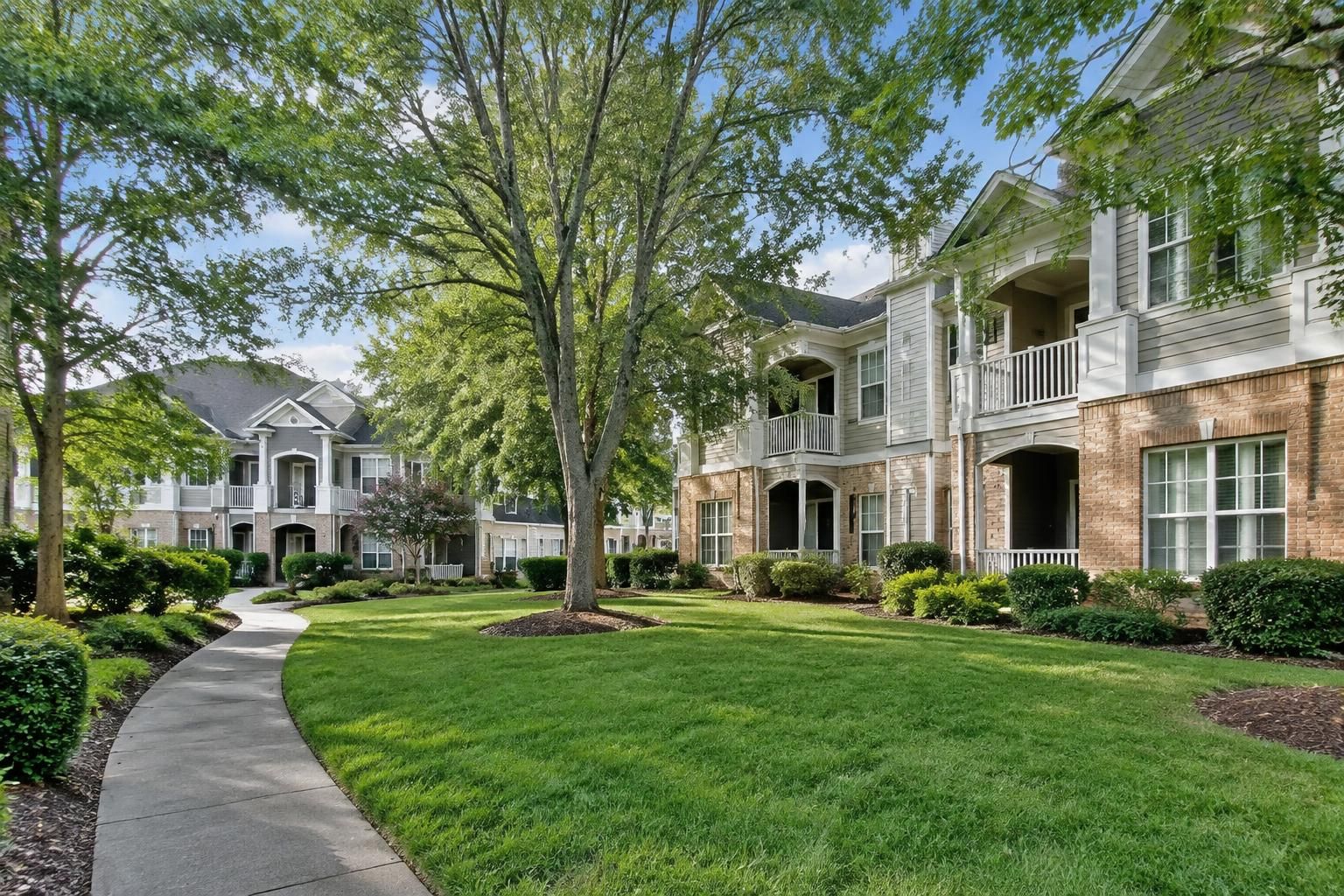
Shared amenities can make a condominium community more convenient without requiring each owner to maintain a separate facility. Depending on the development, residents may have access to a clubhouse, fitness room, pool, walking paths, landscaped courtyards, or a shared parking area. The presence of an amenity is only one part of the decision. Buyers should ask whether it is open year-round, how it is maintained, whether reservations or guest rules apply, and whether planned upgrades could affect association costs.
For example, a buyer who swims regularly may see real value in a community pool, while someone who rarely uses it may prefer a lower-fee property without that feature. In both cases, shared amenities have operating costs, including cleaning, repairs, utilities, and insurance. A useful comparison considers personal use as well as the association’s budget rather than treating a long amenity list as an automatic benefit.
Matching Shared Facilities to Daily Routines
The condo lifestyle often works best when a community’s features support habits a household already has. A resident who walks daily may value maintained paths or nearby public green space more than a fitness center. A household with frequent visitors may care more about guest parking and clear access rules. These practical details affect satisfaction more consistently than a feature that looks impressive during a brief showing.
Location matters just as much as what sits inside the development. Chesapeake neighborhoods vary in their access to shopping, services, parks, and major roads, and travel times depend on the destination and time of day. Buyers should test the commute, visit at different hours, and consider everyday errands rather than relying only on a map’s estimated drive time. A conveniently located condo can make routine travel simpler, but the best fit depends on a household’s actual schedule.
There are also trade-offs to shared spaces. Pools and clubhouses can create opportunities for neighbors to meet, but they may bring seasonal noise, guest activity, or rules that limit use. Parking arrangements may be assigned, shared, or subject to restrictions. Reading the community’s rules and observing the property during a normal busy period can give a more accurate picture than a quiet weekday tour.
Questions worth asking include:
- Which amenities are included in the regular assessment, and are any charged separately?
- What are the rules for guests, reservations, quiet hours, and parking?
- Who handles repairs and routine upkeep, and how are major improvements funded?
- Are any facilities closed seasonally or subject to planned renovation?
Amenities add value when they fit residents’ routines and remain financially sustainable. Their usefulness should be measured in everyday convenience, not simply by the number of features advertised.
Understanding Condominium Costs, HOA Fees, and Ownership Responsibilities
A condo’s purchase price does not show the entire cost of ownership. Buyers should build a monthly budget that accounts for mortgage principal and interest, property taxes, insurance, utilities, and association assessments. Depending on the property and the buyer’s circumstances, there may also be closing costs, maintenance expenses, and costs for improvements. Financing terms, taxes, insurance requirements, and association fees vary, so current figures should be verified with the lender, insurance professional, local tax authorities, and association.
Association assessments typically fund shared expenses described in the community’s budget. Those may include common-area maintenance, contracted services, utilities for shared spaces, insurance for common elements, and reserves for future repairs. What is covered varies by association. A buyer should not assume that a fee includes all exterior maintenance or all building insurance; the governing documents and insurance policies define the actual scope.
Reviewing the Association’s Financial Health
Financial due diligence can help identify whether regular assessments appear adequate for the community’s obligations. Buyers can review budgets, reserve information, meeting minutes, insurance details, and any disclosures about pending litigation or planned work. A low monthly fee can be attractive, but it may also reflect limited services or insufficient funding for future repairs. Conversely, a higher assessment may pay for services a buyer values, but the amount should still be evaluated against the property’s condition and the association’s finances.
Special assessments deserve particular attention. These are charges that may be levied for expenses the association cannot meet through its regular budget or reserves. For instance, if a major shared component needs repair and reserve funds are inadequate, owners may face an additional bill. Reviewing records does not eliminate uncertainty, but it can reveal known projects, recurring maintenance issues, or discussions about funding needs.
Insurance also needs careful review. The association may insure certain common elements or building components, while the unit owner may need an individual policy for personal belongings, interior improvements, liability, or coverage gaps. The division depends on the condominium documents and policy terms. Buyers should ask an insurance professional to explain what coverage would apply to the specific unit instead of relying on assumptions based on another property.
| Cost or responsibility | What to verify | Why it matters |
|---|---|---|
| Monthly association assessment | Current amount, included services, and payment schedule | It affects the ongoing ownership budget. |
| Reserve funds and planned work | Available reserves, recent projects, and anticipated repairs | Underfunded projects may lead to future assessments. |
| Insurance | Association policy boundaries and individual coverage needs | Coverage responsibilities vary by documents and policy. |
| Owner maintenance | Repair duties for unit components and limited common elements | Clarifies which costs remain the owner’s responsibility. |
Buyers should also ask their lender whether the condominium project meets the lender’s requirements. Project eligibility, documentation, and underwriting standards can affect available financing, and requirements differ by loan program and lender. A sound budget accounts for both the visible monthly fee and less predictable ownership costs.
Chesapeake Neighborhoods, Property Fit, and Affordable Housing Choices
Chesapeake offers a range of residential settings, and a condominium search should begin with lifestyle and location rather than a citywide assumption about value. Buyers can compare communities by their proximity to work, services, shopping, recreation, and preferred travel routes. The experience of living in one development may differ substantially from another, even when both are marketed as condominiums. Touring at different times and checking the immediate surroundings can help buyers understand traffic, parking, noise, and access.
Condominiums may broaden the choices available to people seeking affordable housing, but affordability is relative. A lower listing price does not automatically mean a lower total monthly cost if assessments, insurance, taxes, or financing expenses are high. Buyers should compare the full projected cost of a condo with the cost of other properties they could reasonably consider, using current quotes and lender estimates rather than general rules of thumb.
Evaluating Condition and Location Risks
Property condition needs attention at both the unit and community levels. A unit may have updated finishes while shared roofs, drainage systems, parking surfaces, or other common elements need work. A standard inspection can assess visible conditions within the unit, but association documents, management information, and specialist evaluations may be needed to understand broader building concerns.
Chesapeake’s varied geography also makes it sensible to investigate property-specific environmental and insurance considerations. Flood exposure, drainage, and insurance costs can differ by location and property, so buyers should consult appropriate local resources, review available property information, and obtain insurance guidance for the address under consideration. No single description of the city can establish the risk for an individual condo.
For a hypothetical couple, Marcus and Lee, the right choice might not be the development with the most amenities. If their priority is a short, predictable commute and a manageable monthly payment, they may favor a simpler community with convenient access to daily needs. Another household may place a higher value on a pool or walking paths. The comparison works best when each buyer identifies non-negotiable needs, flexible preferences, and an affordable total payment before touring properties.
Affordable housing is best assessed as a complete ownership equation. Location, condition, fees, transportation, insurance, and future maintenance all influence whether a particular condominium is financially and practically sustainable.
Condominiums as Homeownership and Real Estate Investment
Condominium ownership can offer a route into homeownership for people who want to build equity while living in a community with shared responsibilities. Equity is the difference between a property’s value and the debt secured against it; it can change over time as mortgage payments reduce principal and the market value changes. Neither outcome is guaranteed. Property values can rise or fall, and transaction costs, maintenance, assessments, and financing expenses affect the financial result.
For an owner-occupant, a condo may be appealing because the purchase price and required upkeep can differ from those of a detached house. The comparison should use similar locations and property conditions, not just broad averages. A buyer should also consider how long they expect to stay, because selling involves costs and market timing may not align with personal plans.
Rental Potential and Association Rules
Some buyers consider a condominium as a real estate investment, either as a future rental or a property they may occupy later. Before relying on rental income, they need to confirm whether the association permits leasing, whether limits or waiting periods apply, and what responsibilities fall to owners. Rules can change through proper association processes, and an investment plan that depends on unrestricted leasing may not match the community’s governing documents.
Projected rent should be based on relevant, current local comparables and should account for vacancy, management, repairs, insurance, taxes, association assessments, and financing costs. A unit that appears affordable at the asking price may produce a different result after these expenses are included. Buyers should also ask lenders about requirements for investment-property financing, which may differ from those for a primary residence.
Resale value likewise depends on more than the unit’s interior. Buyers in the future may scrutinize the association’s financial health, building condition, fees, rules, location, and access to financing. Maintaining a well-documented property and choosing a community with clear governance can support marketability, although neither guarantees a particular sale price or timeline.
For an owner deciding between a condo and a detached home, the central question is how ownership responsibilities align with personal priorities. A condo may reduce direct involvement in some shared maintenance and offer useful facilities, while bringing recurring assessments and collective decision-making. A detached property may offer more control and private outdoor space, with more direct responsibility for upkeep.
Condominium ownership can support both a housing plan and an investment strategy, but the unit and the association must be evaluated together. The strongest decision is grounded in realistic costs, verified rules, a suitable location, and a holding period that fits the buyer’s circumstances.
Common Questions About Chesapeake VA Condominiums
What do condominium association fees usually cover?
Coverage varies by community. Fees may fund common-area maintenance, shared services, insurance for certain common elements, utilities, and reserves; buyers should confirm the exact coverage in the budget and governing documents.
Are Chesapeake VA condominiums a form of affordable housing?
They can be an affordable option for some buyers, but affordability depends on the purchase price and total costs, including assessments, taxes, insurance, utilities, and financing. Compare the complete monthly budget with other available housing choices.
Can a condominium owner rent out a unit?
Possibly, but association rules may limit rentals, impose procedures, or restrict the number of leased units. Review the current governing documents and confirm lender and insurance requirements before relying on rental income.
What should buyers review before purchasing a condo?
Review the association’s budget, reserve information, meeting minutes, insurance details, rules, planned projects, and assessment history. Also arrange an appropriate inspection and confirm financing and insurance requirements for the specific property.

At 33 years old, I specialize as a Licensed Residential Real Estate Advisor and Property Market Analyst. With a deep understanding of market trends and client needs, I provide strategic insights and personalized guidance to help clients make informed real estate decisions.