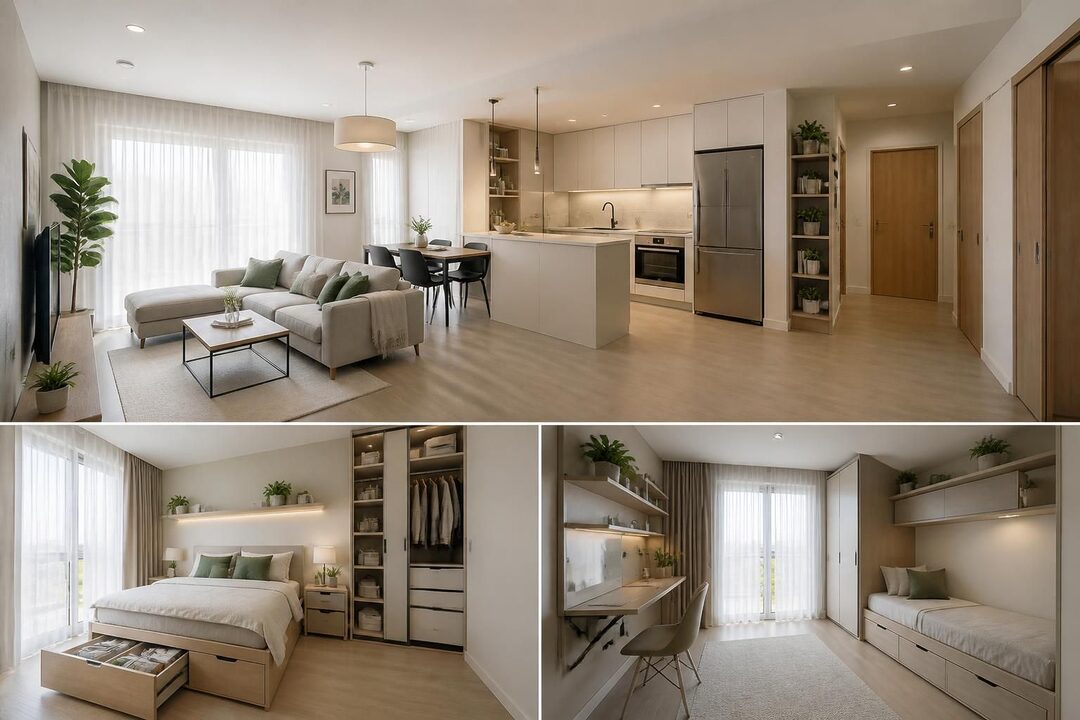
Portobello house living can mean different things depending on the city: a Victorian terrace in Dublin, a renovated home near London’s Portobello Road, or a contemporary residence that borrows the neighborhood’s mix of historic character and modern design. The shared appeal is less a single architectural style than a way of living: walkable streets, distinctive homes, nearby amenities, and a strong connection between private space and local community.
That appeal deserves a practical look as well as an emotional one. Original features and thoughtful extensions can add comfort and character, but older homes may also require careful inspection, storage planning, and renovation budgeting. In Portobello, Dublin, for example, local housing choices sit within a city market where purchase and rental costs can vary significantly by property and location. Understanding the home itself, the surrounding neighborhood, and the ongoing costs is what turns a charming address into a sensible housing decision.
In brief
- Portobello is a place-based idea, not one standard housing type: homes, amenities, and prices vary between locations.
- Architecture gives many properties their character: Victorian details can coexist with carefully planned contemporary additions.
- Walkability and community can shape everyday comfort: assess actual routes, services, noise, and local activity before choosing a home.
- Older properties need close due diligence: inspections, maintenance planning, and renovation estimates matter as much as appearance.
- Compare the full cost of living: purchase price or rent is only one part of the monthly housing budget.
Portobello House Living: What Gives the Neighborhood Its Charm?
The phrase “Portobello house” does not identify one uniform building type. Portobello can refer to distinct places, including the Dublin neighborhood and the area around Portobello Road in London, while individual projects may use the name for a particular residence or development. Buyers should therefore begin by confirming the exact location and property rather than relying on the name alone.
In Dublin, Portobello is valued in part for its proximity to the city center and its established residential streets. That location can make routine activities—commuting, shopping, meeting friends, or reaching cultural venues—more convenient than in a car-dependent neighborhood. Yet the experience varies from one block to another: a home on a busy route may feel quite different from one on a quieter side street.
London’s Portobello is associated with a different urban setting, including the market and the distinctive street life around Notting Hill. A household considering a home there may be drawn to the area’s architecture and cultural mix, while also needing to evaluate the practical effects of visitor activity, traffic, and local housing costs. Place names carry a strong image, but day-to-day fit depends on the precise address.
For a hypothetical buyer, Maya, the deciding factor is not simply whether a home sits in a recognized neighborhood. She compares the walk to transit, grocery options, evening noise, and the route she would take home after work. A short daytime visit gives her one impression; visiting at different times of day reveals a more reliable picture of the lifestyle.
Neighborhood charm is also shaped by ordinary routines. A nearby café or public space may encourage casual social contact, while access to schools, parks, and transport can influence how well an area serves a household over time. Those benefits are personal: a lively street may suit someone who enjoys activity but feel less attractive to a buyer who prioritizes quiet.
Market context matters, too. A Q4 2025 snapshot supplied for Portobello, Dublin, reports a median purchase figure of €677,500 and a median monthly rent of €1,899. These figures describe a particular period and market summary, not a valuation for every property; condition, size, tenure, and exact location can materially change the comparison. For a 2026 decision, buyers and renters should check current local listings and authoritative rental data rather than treating a past snapshot as a live quote.
The neighborhood’s charm becomes meaningful when its daily rhythm matches the household’s needs, not merely its expectations.
Portobello Architecture and Design: Balancing Character with Modern Comfort
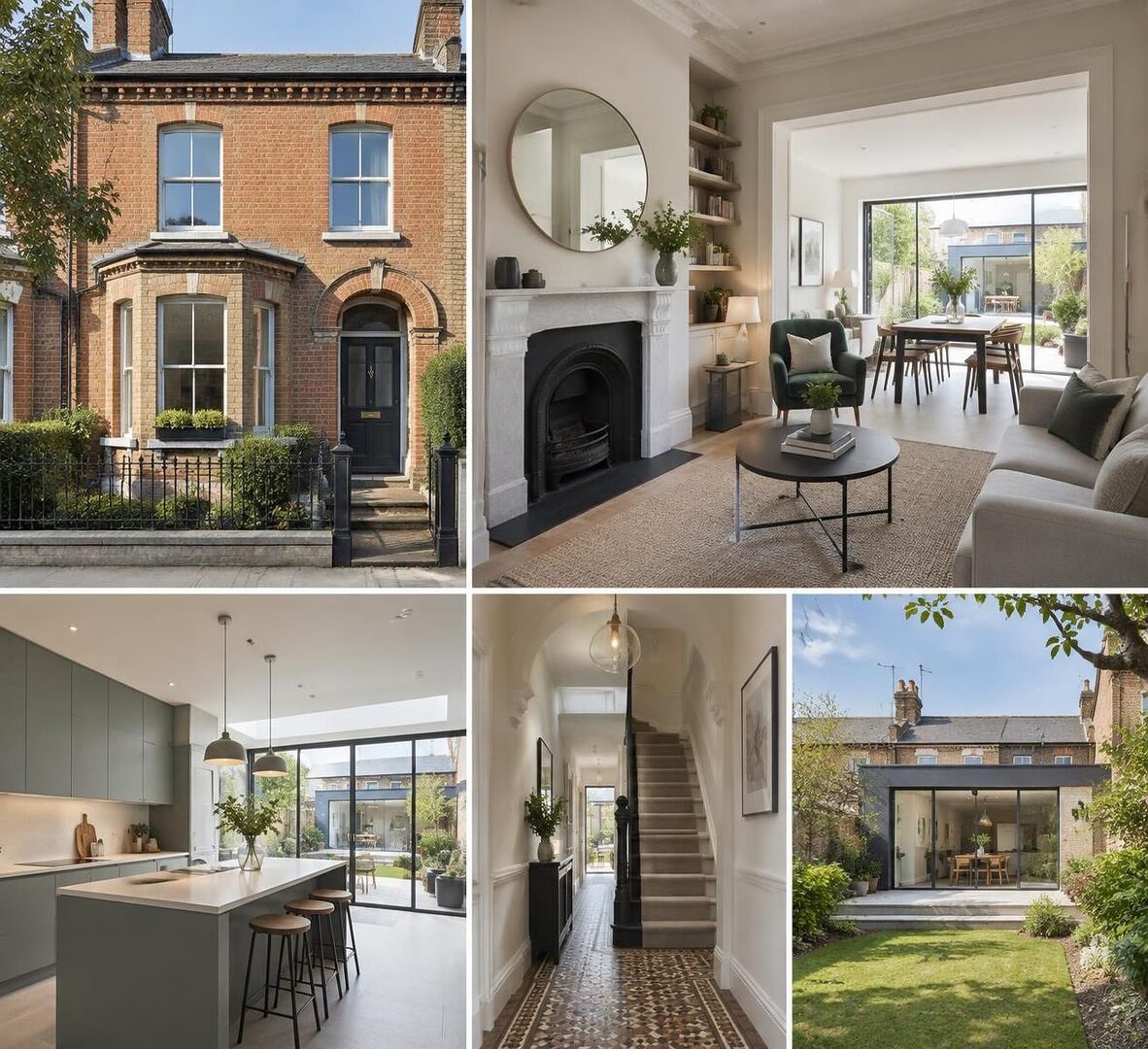
Many homes associated with Portobello combine historic street presence with interiors adapted for contemporary use. In Dublin, Victorian terraces are part of the area’s residential character, and renovation projects often retain details such as fireplaces, mouldings, and original flooring while updating lighting, windows, kitchens, or storage. The most successful results respect the building’s proportions rather than treating its age as a problem to erase.
That balance can be seen in the broader example of a Portobello home on Curzon Road in Dublin. An extension project there received an RIAI award for house extension in 2011, illustrating how a modern addition can sit alongside an older home. The useful lesson is not that every extension will add value, but that thoughtful design can improve how residents use a property while responding to its original form.
In practical terms, design is about more than finishes. A rear extension may create a larger kitchen and dining area, but its value depends on daylight, circulation, privacy, and whether the garden remains usable. Glass doors can strengthen the connection between indoor and outdoor space, while a split-level layout may improve access to light or make better use of a compact footprint. Each choice should solve a real need.
Older houses also require a careful distinction between visible character and building condition. A handsome façade does not establish that the roof, wiring, plumbing, insulation, or drainage are in good order. A qualified inspection can help identify defects and distinguish necessary repairs from optional upgrades, although the scope of an inspection and relevant local requirements can vary.
For buyers, the condition of windows is a useful example of the trade-offs involved. Replacing inefficient windows may improve comfort, but the design, permissions, and building requirements should be checked for the specific property. Similarly, built-in storage can make a narrow home feel more functional, though it should not compromise circulation or natural light.
A renovation plan is stronger when it separates essential work from aesthetic preference. Maya might first budget for a specialist assessment and repairs, then consider a kitchen redesign or custom shelving. This sequence reduces the risk of spending on visible improvements while overlooking systems that affect safety, durability, or everyday comfort.
Good Portobello design does not choose between old and new; it makes each serve the home more effectively.
Portobello Community and Lifestyle: Everyday Benefits Beyond the Front Door
A residential area’s community is experienced through repeated, ordinary encounters: walking to a shop, using a nearby park, or recognizing familiar faces on the way to transit. Portobello’s urban settings can offer residents access to local businesses and shared public spaces, but the strength of that benefit depends on the exact location and how a household uses its surroundings.
Walkability is often a major part of the appeal. When essential errands can be completed on foot or by public transport, residents may rely less on driving for everyday tasks. That can make a compact home more practical, because the neighborhood effectively extends the range of activities available beyond the property. Still, a map’s distance is not the whole story: street crossings, hills, service frequency, and accessibility all affect a route’s usefulness.
Community life can also bring trade-offs. Busy markets, cafés, and visitor destinations contribute energy and support local commerce, but they may increase noise or foot traffic near particular homes. A buyer who values lively surroundings should still check the property at different times, including evenings and weekends. Someone working from home may weigh those conditions differently from a resident who is away during the day.
Consider a household with a young child. Access to a nearby playground and convenient transit may matter more than a large private garden, while another buyer may place greater importance on outdoor space and a quieter street. There is no universal measure of neighborhood quality; practical fit depends on household routines, mobility, budget, and preferences.
Local identity can be a benefit without guaranteeing that every resident will feel immediately connected. Community is built over time, through participation in local activities and the everyday use of nearby places. Prospective residents can learn more by visiting independently, speaking with neighbors where appropriate, and observing whether the area’s pace feels comfortable.
For rental and purchase decisions, the same setting can carry different financial implications. The supplied Q4 2025 Dublin snapshot lists a median rent of €1,899 per month, but a renter should compare the exact property’s size, condition, included costs, and location. A buyer should similarly weigh purchase costs against commuting needs and potential maintenance, not assume that neighborhood convenience alone compensates for every premium.
Community and walkability are real housing benefits when they support the routines a household actually has.
Costs, Condition, and Due Diligence for a Portobello Home
The charm of an older home can obscure the difference between its asking price and its total cost of ownership. A buyer should consider the purchase price alongside inspection findings, likely maintenance, insurance, utilities, and any applicable property charges. The details depend on the jurisdiction, property, and individual circumstances, so the budget should be built from verified documents and professional assessments rather than general assumptions.
Rental decisions call for a similar comparison. The monthly rent is only one measure of affordability; renters should understand which utilities or other charges are included, the condition of appliances, the terms of the lease, and how transport costs fit into the overall budget. In a highly walkable area, some residents may spend less on driving, but that outcome depends on their commute and personal travel patterns.
The following comparison is a starting point for organizing questions, not a substitute for reviewing the specific home and transaction documents.
| Decision area | What to examine | Why it matters |
|---|---|---|
| Property condition | Roof, windows, plumbing, electrical systems, damp, and visible repairs | Unaddressed maintenance can affect cost, comfort, and renovation plans. |
| Layout and design | Daylight, storage, circulation, privacy, and outdoor access | A beautiful room may not function well for everyday routines. |
| Location | Transit routes, local services, noise, parking, and street activity | Conditions can differ substantially within the same named neighborhood. |
| Monthly budget | Rent or mortgage payment, utilities, transport, maintenance, and applicable charges | The full housing cost is more informative than the headline price alone. |
| Renovation plans | Professional estimates, approvals where required, and project timing | Feasibility and costs depend on the property and local rules. |
For a buyer considering an extension, the first question is whether the proposed work is physically and financially realistic. A designer or architect can help assess options, while local authorities can explain applicable planning or building requirements. Rules differ by location and project, so a neighboring home’s extension is not proof that the same proposal will be approved.
Financing also deserves property-specific review. A lender’s assessment, appraisal, and underwriting process may affect what a buyer can borrow, while closing costs and required documentation vary by transaction and location. Buyers should confirm terms directly with their lender and transaction professionals rather than relying on informal estimates.
For Maya, an inspection reveals that the home’s appealing interior is paired with work that should be priced before an offer is finalized. She compares contractor estimates and considers which improvements can wait. That process does not remove uncertainty, but it makes the decision more informed and reduces the chance of confusing cosmetic appeal with overall value.
Careful due diligence protects the practical side of a decision while leaving room to value a home’s character.
Choosing a Portobello House for Long-Term Living
A home that works today may not suit a household five years from now, so long-term planning should be part of the selection process. Buyers can think through likely changes in work arrangements, family size, mobility, and the need for flexible rooms. A compact house near shops and transit may remain useful for a household that values convenience, while another may eventually need more bedrooms or accessible ground-floor space.
Room function is one of the clearest ways to test flexibility. A second bedroom that can serve as an office, guest room, or nursery offers options, provided the layout supports those uses. Storage deserves equal attention: older homes can have appealing proportions but limited closets, and adding storage later may require a design solution rather than a simple furniture purchase.
Energy performance and comfort should be evaluated through the actual property, not inferred from its age or appearance. Insulation, heating equipment, window condition, and ventilation all contribute to how a house feels and operates. The right assessment depends on local standards and the home’s systems; a specialist can help identify potential improvements and their practical implications.
Resale considerations are relevant even for buyers who expect to stay for years. A well-maintained property with a functional layout may appeal to a wider range of future buyers than one whose improvements reflect a very narrow preference. That does not mean every renovation should be designed for resale, but durable materials and sensible use of space can support both present-day comfort and future marketability.
Neighborhood change is another factor, though it cannot be predicted with certainty. Prospective residents can examine current transport access, public amenities, planning information, and visible development activity, while recognizing that future projects and market conditions may evolve. Official local planning sources are more reliable for proposed development details than assumptions based on general neighborhood reputation.
Portobello house living ultimately combines several forms of value: the architectural character of the residence, the convenience of its location, and the suitability of its layout and costs. One household may prize period details and a lively street; another may care most about quiet, transit, or a modern extension. The strongest choice is the one whose features and compromises align with the residents’ real priorities.
Long-term satisfaction rests on fit: a home should work as well on an ordinary Tuesday as it does during a first viewing.
How does Portobello house living differ between Dublin and London?
Portobello refers to different neighborhoods and property contexts. Dublin’s Portobello is a residential area near the city center, while London’s Portobello is associated with Notting Hill and the Portobello Road area; amenities, housing stock, costs, and daily atmosphere depend on the exact address.
What should buyers inspect in a Victorian Portobello home?
Along with the visible finishes, buyers should assess major systems and building condition, including the roof, windows, plumbing, electrical components, damp, and signs of deferred maintenance. A qualified inspection and property-specific professional advice can clarify the scope of any concerns.
Is Portobello house living suitable for renters?
It can suit renters who value access to local services, transit, and neighborhood activity. They should compare the full monthly cost, lease terms, property condition, noise, and commute rather than relying on the neighborhood name or a market-wide rent figure.
Do modern extensions guarantee higher property value?
No. A well-designed extension can improve space and usability, but its effect on market value depends on the property, quality of work, local demand, and applicable requirements. Buyers should assess the home and comparable properties rather than assume a renovation will produce a particular return.
What does Portobello house living mean?
It describes residential life in a Portobello location or in a home associated with its architectural character. The exact meaning depends on the city and property.
What should buyers inspect in a Victorian Portobello home?
Assess major systems and building condition, including the roof, windows, plumbing, electrical components, damp, and deferred maintenance. A qualified property inspection can help identify issues.
Is Portobello house living suitable for renters?
It may suit renters who value transit, local services, and neighborhood activity. Compare the complete monthly cost, lease terms, property condition, noise, and commute.
Do modern extensions guarantee higher property value?
No. An extension may improve usability, but its effect on value depends on the property, workmanship, local market, and applicable requirements.

At 33 years old, I specialize as a Licensed Residential Real Estate Advisor and Property Market Analyst. With a deep understanding of market trends and client needs, I provide strategic insights and personalized guidance to help clients make informed real estate decisions.