As the architectural landscape continues to evolve, the importance of selecting the right color palette for modern houses cannot be overstated. Homeowners and designers alike are moving beyond mere aesthetic choices, focusing on hues that complement architectural styles while enhancing living experiences. The trend in 2026 shows a deliberate turn towards colors that balance timeless sophistication with a connection to nature and personal wellbeing. This shift reflects a growing desire for homes that feel not only contemporary but also deeply inviting and enduring.
Colors in modern house design today serve multiple functions: they shape perceptions of space and light, influence mood, and convey a sense of identity. For prospective buyers and homeowners, understanding the nuances of architectural color trends is invaluable, offering a strategic advantage in property value and curb appeal. Contemporary house palettes in 2026 emphasize versatility, allowing seamless transitions between interior and exterior spaces, and between the home and its surrounding environment.
In brief:
- Warm earth tones and muted greens dominate modern exterior paint colors, fostering a natural connection between the structure and landscape.
- Soft neutrals and layered textures characterize interior color trends 2026, creating environments that support relaxation and intentional living.
- Bold contrasts and statement colors are selectively used to highlight architectural details without overwhelming overall design coherence.
- Consideration of lighting and material interplay guides the choice of contemporary house palettes for both energy efficiency and aesthetics.
- Emerging color schemes 2026 advocate for sustainable, mood-enhancing hues aligned with biophilic design principles.
Modern exterior paint colors: The interplay of nature and architectural expression
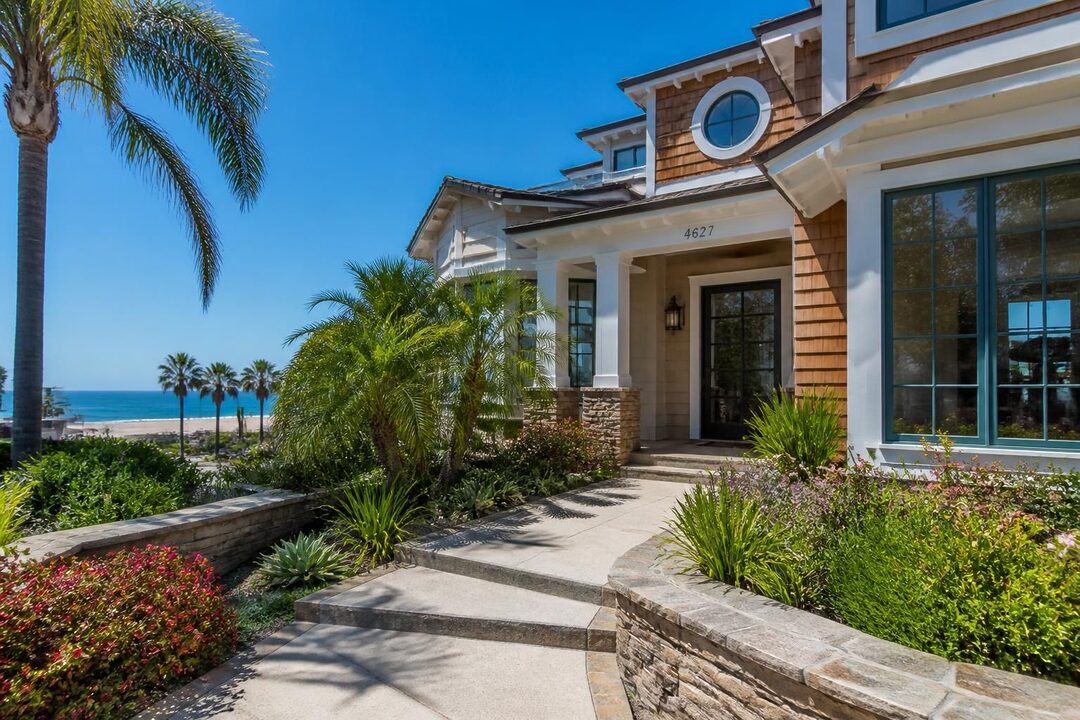
The exterior paint colors chosen for modern homes in 2026 emphasize a strong relationship between the house and its environment. Neutral bases such as warm beige, soft gray, and creamy whites continue to be popular, but their evolution lies in deeper, more organic variations that marry well with natural textures like wood, stone, and metal.
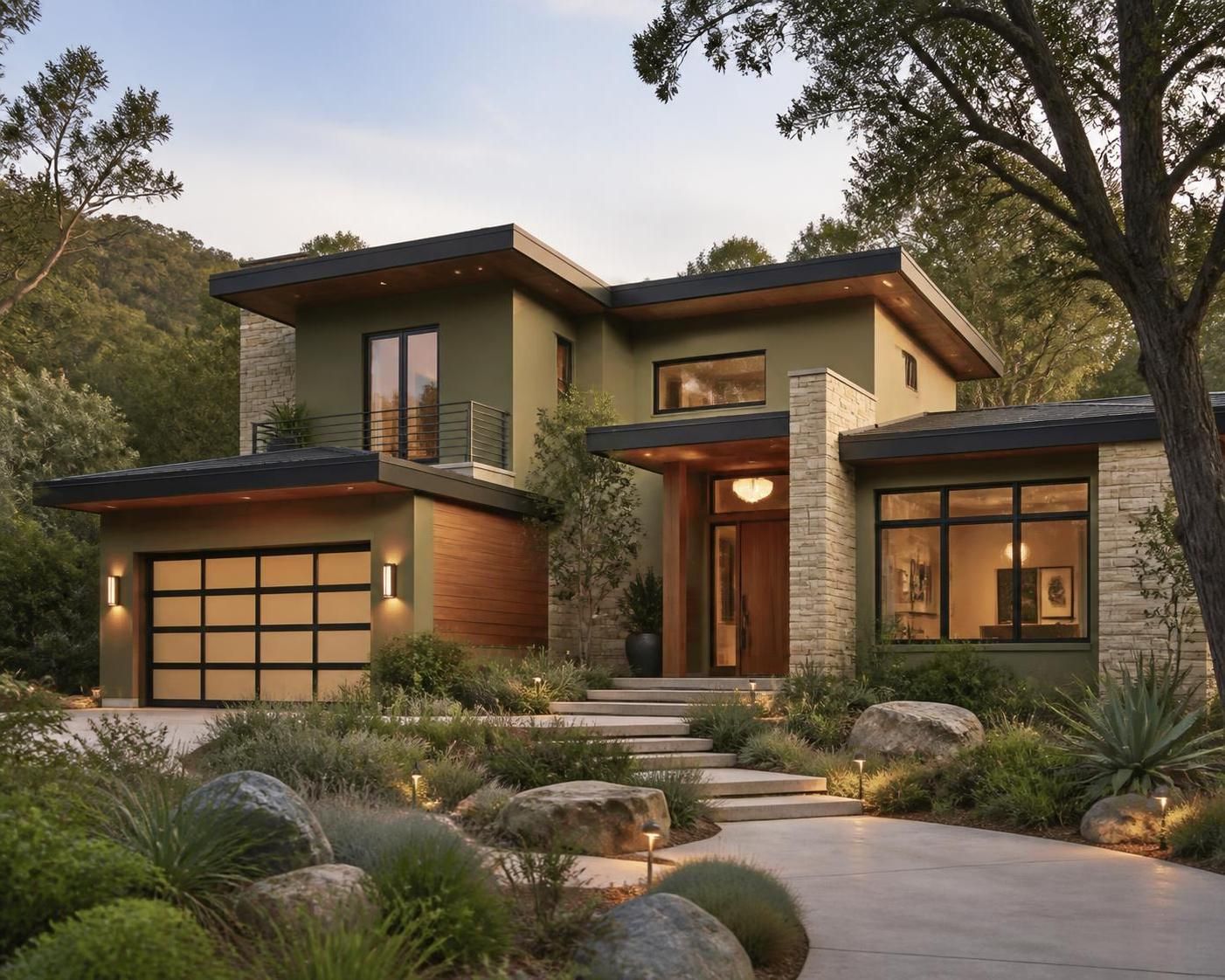
Muting brightness in favor of earth-inspired hues is a distinctive trend. Examples include terracotta, moss green, and dusky taupe, which bring warmth and subtle depth without distracting from the architectural form. These colors are particularly favored in new builds or renovations aiming to maximize curb appeal while blending seamlessly into varied landscapes, from urban settings to more pastoral surroundings.
Several real estate market analyses indicate that exterior colors grounded in nature tend to attract more interest from buyers, primarily because they suggest durability and timelessness. Additionally, climate considerations influence exterior choices: lighter shades reflect heat in warmer regions, while deeper tones add coziness to cooler climates.
Bolder exterior choices still have their place, often deployed as accent elements that draw attention to entryways, trim, or architectural features. Deep navy blue or charcoal can frame windows or doors elegantly, lending a modern yet classic appeal. For example, pairing a muted olive body color with black-trimmed windows creates a look that is both contemporary and expressive, perfect for buyers interested in simple one-storey house designs with character.
When selecting modern house colors for exteriors, homeowners must also consider the impact on maintenance and longevity. Trending paints in 2026 increasingly incorporate eco-friendly, weather-resistant properties, reducing upkeep costs and environmental footprint over time.
Interior color trends 2026: Embracing comfort through layered neutrals and nature-inspired palettes
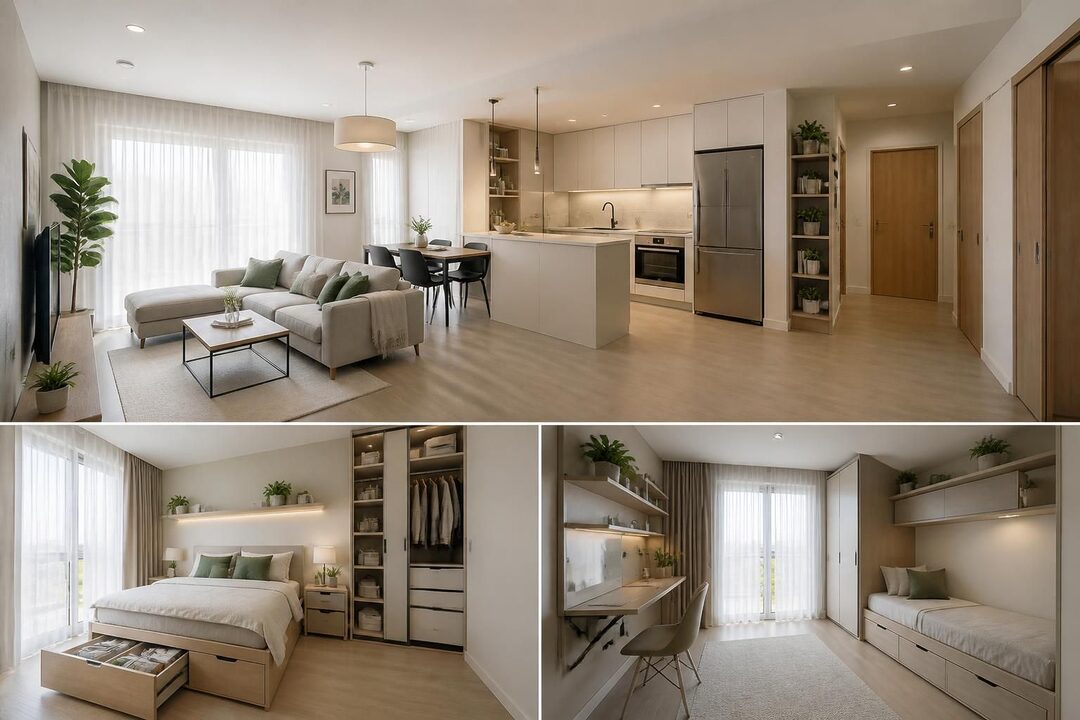
The interior color trends for 2026 reflect a conscious move towards creating spaces that prioritize comfort, calm, and personal wellbeing. Soft, layered neutrals dominate this trend, promoting intentional living and enhancing the feeling of spaciousness without resorting to stark minimalism.
These palettes often combine shades of warm beige, greige, soft taupe, and gentle whites, crafting a textured backdrop that complements natural materials such as oak, linen, and stone used in furniture and décor. This approach allows for flexibility in styling and adapts well to varying lighting conditions throughout the day, maintaining a serene ambiance.
Integrating muted blues and gentle greens as accent walls or in decorative elements aligns with a biophilic design ethos — a principle gaining traction for its links to mental wellness. Such touches tie the interior environment to the natural world outside, reinforcing a holistic living experience.
Furthermore, interior designers recommend balancing these subdued palettes with strategic use of texture and contrast. For example, matte wall finishes paired with velvety upholstery or woven rugs add depth and tactile interest, avoiding monotony. Accent colors like terracotta or charcoal appear in small doses through pillows, art, or cabinetry, creating focal points without overpowering the overall harmony.
This trend extends to lighting design, where softer, warmer LED lighting enhances the inviting qualities of modern design colors and supports circadian rhythms. The choice of interior colors in 2026 is as much about enhancing wellbeing as it is about aesthetics, making homes both stylish and livable.
Exploring color schemes 2026 for contemporary house palettes
Examining the broader scope of architectural color trends leads to an understanding that 2026 emphasizes palettes grounded in sustainability, subtlety, and timelessness. This is a departure from the rapid trend cycles seen in previous years where bold and ephemeral choices reigned.
The color schemes in use today often incorporate nature-derived tones that support a calmer, more sustainable lifestyle. Shades such as olive green, clay, stone gray, soft blues, and muted gold harmonize with building materials and contribute to the architecture’s narrative without overshadowing it.
Within these schemes, there’s a nuanced layering of hues that can be customized for various regions and home styles. Coastal homes tend to favor lighter blues and sandy shades, evoking the surrounding environment, while mountain residences may lean towards richer earthy browns, rust colors, and deep greens that enhance the sense of place.
Emerging color trends also reflect advances in paint technology, including options that improve air quality by reducing volatile organic compounds (VOCs). Consumers increasingly prioritize health and environmental impact when selecting modern house colors, turning color into a component of green building strategies.
For owners interested in spatial efficiency, the choice of color scheme plays a critical role. Lighter monochromatic tones applied in a color-drenching technique—where walls, ceilings, and trims blend seamlessly—help create the illusion of larger spaces. This technique is often seen in compact layouts, including modern homes designed with optimized floorplans similar to those highlighted in modern penthouse loft concepts.
Comparing popular architectural palettes in 2026
| Palette | Primary Colors | Ideal Home Style | Key Benefits |
|---|---|---|---|
| Earth-Inspired | Moss Green, Terracotta, Taupe | Urban, Suburban, Ranch Styles | Blends with landscapes, promotes warmth, low maintenance |
| Soft Neutrals | Beige, Greige, Warm White | Minimalist, Scandinavian, Contemporary | Flexible, enhances space, calming atmosphere |
| Coastal Calm | Light Blue, Sand, Soft Gray | Beach Houses, Modern Cottages | Invokes nature, brightens interiors, timeless |
| Bold Accents | Charcoal, Deep Navy, Burnt Orange | Modern, Industrial, Transitional | Highlights features, adds sophistication, expressive |
Strategic considerations when selecting house color ideas in a fluctuating real estate market
Choosing the right colors for modern homes requires an understanding of how color influences perception in both market appeal and personal comfort. In fluctuating real estate markets, standout exterior paint colors and interior palettes can distinguish a property, potentially affecting its listing price and time on market.
However, buyers and sellers must balance trendiness with longevity. While some colors may attract a narrow buyer segment, timeless palettes tend to appeal to a broader demographic and hold value across market shifts. For instance, neutral and earth-inspired exterior colors frequently rate highly in curb appeal studies, which remain consistent through cycles.
Another factor to consider is neighborhood context. Homes with architectural color trends that harmonize with surrounding properties benefit from enhanced street appeal and comply with many homeowner association (HOA) guidelines, which increasingly encourage sustainable and cohesive color schemes.
In terms of financing and investment, properties that maintain aesthetic relevance contribute positively to equity retention and resale value. Strategic use of bold accents inside or outside the home can modernize a property without alienating traditional buyers, providing a competitive edge in today’s market.
- Consider lighting exposure and seasonal changes when selecting colors to ensure lasting appeal year-round.
- Consult local regulations and HOA restrictions that may influence acceptable color choices.
- Partner with professional real estate advisors and designers to balance personal preferences with market expectations.
- Evaluate the cost of repainting or color corrections as part of long-term home maintenance planning.
- Use color schemes that allow easy updates in furnishings and décor to accommodate future trends.
For those aiming to optimize spatial function along with color strategy, exploring complementary design ideas can be beneficial. For example, design tips for two-bedroom homes underline how strategic color placement can maximize perceived room dimensions and comfort.
Integrating modern design colors with architectural style and sustainable building practices
The integration of color into architectural form is a nuanced art in 2026, with attention given to how pigments interact with textures, shapes, and sustainable materials. Modern residence designs increasingly incorporate eco-conscious materials such as reclaimed wood, recycled metals, and low-impact composites, bringing color into dialogue with texture and finish.
Architectural color trends now include finishes that vary from matte and soft satin to reflective metallics, each selected to enhance environmental benefits like solar reflectance or thermal regulation. For example, lighter modern exterior paint colors combined with reflective ceramic coatings reduce cooling costs while preserving visual appeal. Homes in warmer climates particularly benefit from these innovations.
Moreover, combining color theory with sustainable building requires recognizing how human psychology responds to certain hues. Greens and blues, linked to calming effects, support mental health and create restorative spaces. Warm oranges and reddish tones stimulate sociability and energy, often used in common areas to encourage interaction.
The broader adoption of biophilic design encourages choices that foster occupant connection with nature even indoors, such as accent walls in leafy greens or textures evoking organic materials. This design philosophy underpins many contemporary color schemes and corresponds with growing demand for homes that do not just shelter but nurture inhabitants.
Furthermore, emerging trends highlight the practical aspect of color selection in reducing environmental impact. Paints with low or zero VOCs and advanced durability extend the lifespan of modern design colors, mitigating the need for frequent repainting and associated resource consumption.
What are the trending exterior paint colors for modern homes in 2026?
Warm earth tones like terracotta, moss green, and muted taupe are trending for their ability to blend harmoniously with natural landscapes while preserving architectural features.
How do interior color trends in 2026 promote wellbeing?
By incorporating soft neutrals layered with biophilic hues such as muted blues and greens, interiors create calming, comfortable spaces that support mental wellness and relaxation.
Are bold colors advisable for modern house exteriors?
Bold colors can be effective when used as accents to highlight architectural details, but they should be applied judiciously to maintain overall design coherence and appeal to a broad buyer market.
How do color schemes affect property value in fluctuating markets?
Timeless, nature-inspired color schemes generally support property value retention better than fleeting trendy colors by appealing to a wider range of buyers and harmonizing with neighborhood aesthetics.
What role does sustainability play in color choice for homes?
Sustainability influences color choice by encouraging use of eco-friendly, low-VOC paints, and palettes that complement environmentally conscious building materials and practices.

At 33 years old, I specialize as a Licensed Residential Real Estate Advisor and Property Market Analyst. With a deep understanding of market trends and client needs, I provide strategic insights and personalized guidance to help clients make informed real estate decisions.