Monaco’s Belle Époque era stands as a testament to a time when elegance and cultural sophistication shaped the principality’s identity, transforming it into a magnetic hub for European aristocracy and international society. This period, roughly spanning from the 1870s to the outbreak of World War I in 1914, introduced an architectural and social renaissance marked by opulent structures, luxurious lifestyles, and a thriving cultural scene. The charm of Monaco during this era is not only preserved in its historic buildings but also resonates in its ongoing reputation as a playground for the elite and a beacon of refined tourism and heritage. Exploring Monaco through the lens of its Belle Époque era unravels layers of history that intertwine architecture, culture, and economic evolution, underscoring how this “Beautiful Age” continues to influence the principality’s contemporary allure.
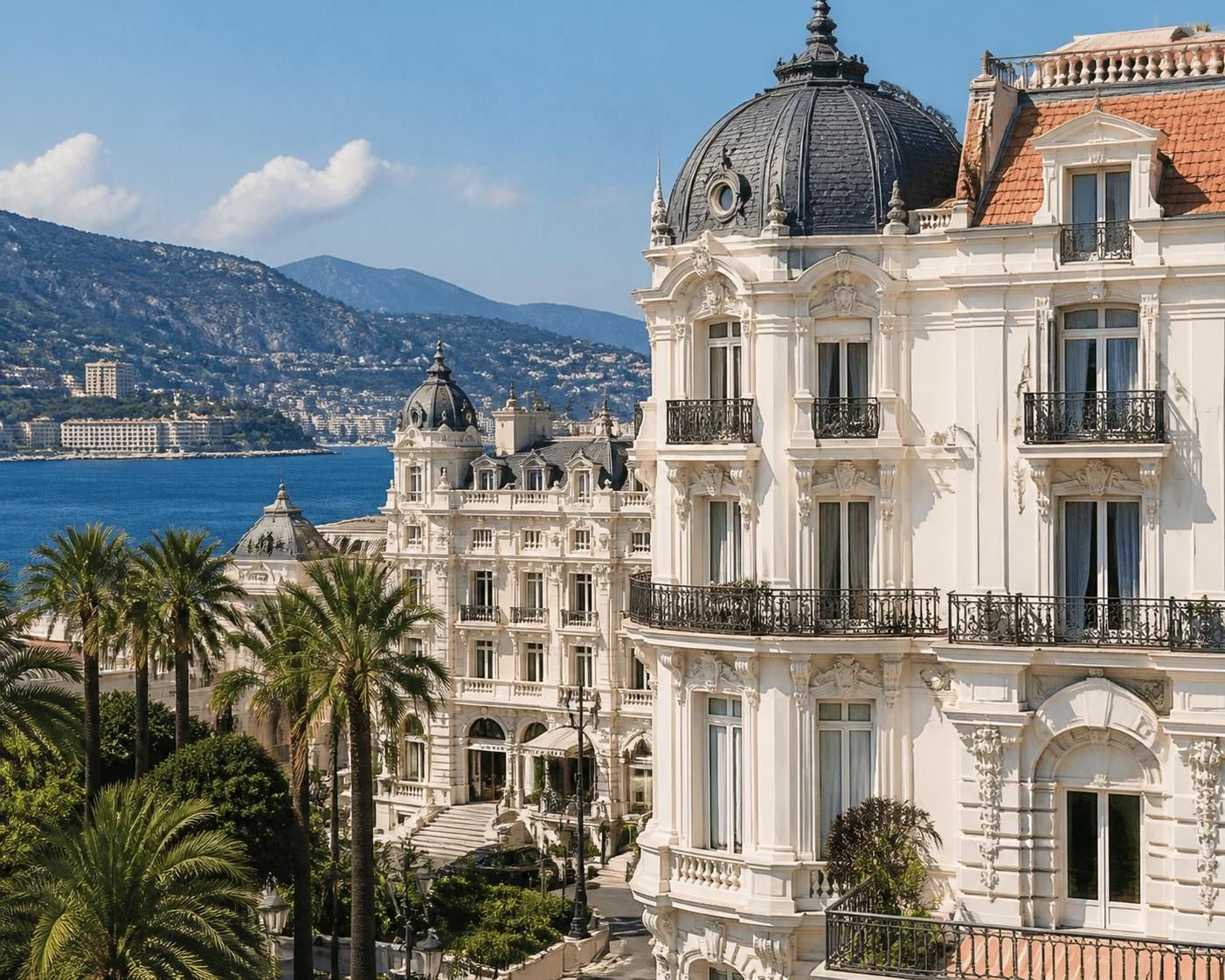
Key elements such as the Casino de Monte-Carlo, the Opéra de Monte-Carlo, and the Hôtel Hermitage exemplify the architectural grandeur that defined Monaco’s rise as a luxurious destination. These buildings, crafted with influences drawn from Mediterranean regions and European classicism, feature intricate façades, terracotta roofs, and whitewashed walls, reflecting a distinctive Mediterranean charm married with the lavish refinement that Belle Époque is celebrated for.
In 2026, Monaco’s legacy from the Belle Époque era remains a vital aspect of its real estate market and cultural heritage, attracting investors and tourists who seek both historical ambiance and modern luxury. Understanding this period provides valuable insights into the principality’s transformation and the ongoing dialogue between its past and present, especially in how luxury residences and public landmarks balance preservation with contemporary living.
Monaco’s Belle Époque Architecture: A Legacy of Opulence and Artistic Refinement
The architectural narrative of Monaco’s Belle Époque era is a compelling study of opulence that attracted European nobility and wealthy visitors to this tiny Mediterranean principality. During this period, Monaco experienced a surge in construction, marked by buildings whose ornate details, grand stonework, and artistic flourishes mirrored the aspirations of an emerging luxury tourism industry. Designed chiefly between the late 19th and early 20th centuries, these structures still dominate key areas, especially in Monte Carlo’s heart.
The Casino de Monte-Carlo remains the quintessential symbol of the era’s architecture, conceived by Charles Garnier, the legendary architect of the Paris Opera. Its lavish façades and intricately designed interiors create a blend of Renaissance revivalism and French classical motifs which exude sophistication and timelessness. This iconic building set a precedent for subsequent developments, influencing the aesthetics of residential palaces, hotels, and cultural institutions alike.
Similarly, the Opéra de Monte-Carlo elevated Monaco’s cultural status, also bearing Garnier’s signature design elements, emphasizing ornate theatre interiors intended to impress alongside its social function. The elegance and refinement in these buildings reflect the era’s emphasis on combining utility with artistic grandeur, demonstrating the importance of culture in Monaco’s brand as a premier destination.
Luxury hotels such as the Hôtel Hermitage Monte-Carlo encapsulate the residential grandeur the Belle Époque brought to the principality. Its facade, crafted with whitewashed walls and terracotta roofs, is emblematic of the Mediterranean architectural influence. The interior, flooded with natural light, mixes classic decorative artistry with the comfort expected by the elite clients who once frequented these establishments. Such villas and residences from this era are now some of the most prized properties in Monaco’s residential market, blending historic charm with modern amenities.
This architectural heritage contributes to a unique urban fabric where Mediterranean influences like French, Spanish, and Italian motifs coexist with Belle Époque sophistication. Monaco’s landscape is thus a living museum, where every stone and balcony narrates tales of a bygone era when cultural elegance attracted royalty and international jet sets. Investors and buyers today find that owning Belle Époque properties offers a rare connection to Monaco’s heritage combined with lucrative value retention in a highly competitive market.
The Societal and Cultural Influence of Monaco’s Belle Époque Era on Modern Tourism
The Belle Époque period fundamentally shaped Monaco’s identity not just through its buildings but also by fostering a culture of luxury and refined leisure that continues to define its tourism sector in 2026. The social scene during this era was characterized by lavish parties, international visitors, and an aristocratic clientele who contributed to Monaco’s reputation as a glamorous resort.
The development of grand casinos and luxury hotels attracted affluent visitors from across Europe and beyond, creating a tourism model based on exclusivity and elegance. These establishments became epicenters of social activity, offering not only gambling but also opera, theatre, and art exhibitions. This combination forged a sophisticated cultural milieu that distinguished Monaco from other Riviera destinations.
Moreover, the principality’s careful preservation of these heritage sites appeals directly to modern tourists who value authenticity and historical depth. Luxury tourism today capitalizes on the Belle Époque’s association with glamour, with guided tours often centered on these architectural marvels and their related cultural stories.
Events such as the Monte-Carlo Opera House performances, the Monte-Carlo Casino experience, and various galas retain a continuity from the Belle Époque lifestyle, providing sophisticated entertainment options that honor the past while catering to contemporary tastes. This melding of history and modern luxury tourism strengthens Monaco’s position as a top-tier travel destination, supporting economic vitality and international visibility.
Additionally, the principles established during the Belle Époque about exclusivity and service excellence are embedded in the hospitality industry today. Luxury resorts, Michelin-starred restaurants, and bespoke cultural experiences all inherit the legacy of elegance and attention to detail that defined the era. This continuity ensures that Monaco’s tourism sector remains competitive amid evolving market dynamics while nurturing the charm that first made it desirable over a century ago.
Preservation Challenges and Opportunities in Monaco’s Belle Époque Real Estate
Preserving Belle Époque architecture in Monaco poses complex challenges as the principality balances heritage conservation with the demand for ultra-modern luxury living. The scarcity of land in Monaco, coupled with its high property values, means that many historic buildings have undergone renovations or been adapted into contemporary residences without compromising their defining features.
Adaptive reuse is a common strategy used to maintain the relevance of Belle Époque buildings in today’s market. Luxury apartments and penthouses often inherit the ornate facades and balconies while boasting state-of-the-art interiors and amenities expected by discerning buyers. This adaptive approach safeguards Monaco’s architectural legacy while meeting the evolving needs of residents and investors.
Nonetheless, renovation projects require sensitive handling due to the intricate decorative elements, historic materials, and legal protections in place. Preservation efforts often involve collaboration between architects, historians, and city planners to ensure authenticity is upheld. Strict regulations govern modifications in designated heritage zones, reflecting Monaco’s commitment to safeguarding its cultural identity.
Monaco’s residential market shows a distinct preference for Belle Époque properties, largely due to their rarity and the cultural prestige associated with them. For real estate investors, these properties represent a stable asset class with a consistent demand. However, the financial and logistical complexities of maintaining such buildings can factor into ownership decisions.
In practice, prospective buyers must consider:
- The balance between historical preservation requirements and modern comfort upgrades
- The potential benefits of owning a culturally significant property versus maintenance and restoration costs
- The impact of Monaco’s urban planning policies on permitted renovations
- The role of heritage in supporting property values and tenant attraction
This nuanced approach to heritage real estate ensures Monaco’s Belle Époque charm is not only preserved but also integrated seamlessly with contemporary luxury living, maintaining the principality’s unique real estate appeal.
Monaco’s Urban Evolution: From Belle Époque Grandeur to Contemporary Luxury
The transition from Monaco’s Belle Époque opulence to its modern architectural landscape illustrates a dynamic urban evolution deeply intertwined with its economic development and international stature. While the Belle Époque laid the foundation of Monaco’s cultural and architectural identity, the 20th and 21st centuries have seen the principality embrace bold modernism and sustainability without forsaking its historic charm.
Mid-century Monaco introduced modern structures that contrast with Belle Époque aesthetics, such as the neo-Baroque Oceanographic Museum and Grimaldi Forum, while luxury residential towers like Le Mirabeau and Le Monte-Carlo Sun reflected post-war advances and the increasing influx of affluent global residents.
The 21st century heralded a new architectural wave epitomized by ultra-contemporary skyscrapers such as the Tour Odéon, which combines luxury with innovative design, panoramic views, and advanced sustainability features. These developments coexist with Belle Époque buildings, creating a striking mosaic that attracts high-net-worth individuals seeking a blend of historic ambiance and state-of-the-art living spaces.
Monaco’s urban strategy emphasizes:
- Preserving cultural landmarks while encouraging high-density, luxury residential projects
- Integrating green building technologies and sustainable urban planning principles
- Maximizing limited space to maintain Monaco’s competitive edge in global luxury real estate
- Supporting tourism through the preservation and promotion of historic sites and cultural venues
This delicate balance is evident in Monaco’s real estate market, where properties with Belle Époque heritage and modern architectural marvels both command significant attention and premium pricing. This diversity enriches Monaco’s urban fabric and sustains its reputation as a principality that honors its past while innovating for the future.
The Enduring Influence of Belle Époque Culture on Monaco’s Heritage and Luxury Identity
The Belle Époque era’s influence on Monaco extends beyond architecture to permeate its cultural identity and luxury branding, affecting how the principality positions itself in the global arena. This period cultivated an image of Monaco as a beacon of elegance, art, and elite leisure — a positioning that remains central to its social and economic strategy.
Monaco’s cultural institutions, including the Monte-Carlo Casino, the Opera House, and the annual events like the Monaco Grand Prix, retain the glamorous and refined spirit born during the Belle Époque. These events and venues symbolize Monaco’s status as a cultural hub and an aspirational destination for luxury tourism.
The heritage associated with this era attracts discerning visitors and residents who appreciate a lifestyle steeped in tradition but complemented by modern luxury. Monaco’s luxury brands, hospitality industry, and real estate market all benefit from the principality’s sustained commitment to this cultural narrative, which bolsters its global prestige.
The principality’s preservation of Belle Époque landmarks and its promotion of heritage-centric tourism initiatives ensure that culture remains a pillar of Monaco’s identity. By investing in cultural programming and architectural conservation, Monaco nurtures a continuous dialogue between its historic charm and contemporary luxury aspirations.
| Aspect | Belle Époque Era | Contemporary Monaco |
|---|---|---|
| Architectural Style | Ornate façades, Mediterranean influence, terracotta roofs, classical motifs | Modern skyscrapers, glass façades, sustainable materials, innovative designs |
| Cultural Significance | Aristocratic leisure, high society events, operatic and theatrical arts | International tourism, luxury events like the Monaco Grand Prix, global art festivals |
| Real Estate Market | Historic villas and palaces, high demand among luxury buyers | Luxury high-rises, mixed-use developments, emphasis on sustainability |
| Urban Planning | Focus on grandeur and exclusivity, preservation of heritage buildings | Balancing density with heritage, incorporation of green spaces and technology |
What defines Belle Époque architecture in Monaco?
Belle Époque architecture in Monaco is characterized by ornate façades, classical and Renaissance-inspired elements, Mediterranean influences including terracotta roofs and whitewashed walls, all reflecting elegance and luxury.
How has Monaco preserved its Belle Époque heritage amid modernization?
Monaco balances preservation with modernization by enforcing strict regulations on renovations, promoting adaptive reuse of historic buildings, and integrating contemporary amenities while respecting original architectural details.
Why is the Belle Époque era important for Monaco’s tourism?
The Belle Époque era established Monaco’s reputation as a luxurious resort destination with cultural landmarks and exclusive social venues that continue to attract tourists seeking history, luxury, and refined leisure experiences.
What are the challenges in owning Belle Époque properties in Monaco?
Owners face challenges such as high maintenance and restoration costs, compliance with heritage preservation laws, and balancing historical authenticity with modern living standards.
How does the Belle Époque influence Monaco’s current luxury brand image?
The era’s legacy contributes to Monaco’s positioning as an epitome of elegance, culture, and exclusive lifestyle, underpinning its global reputation in luxury real estate, tourism, and high society events.

At 33 years old, I specialize as a Licensed Residential Real Estate Advisor and Property Market Analyst. With a deep understanding of market trends and client needs, I provide strategic insights and personalized guidance to help clients make informed real estate decisions.