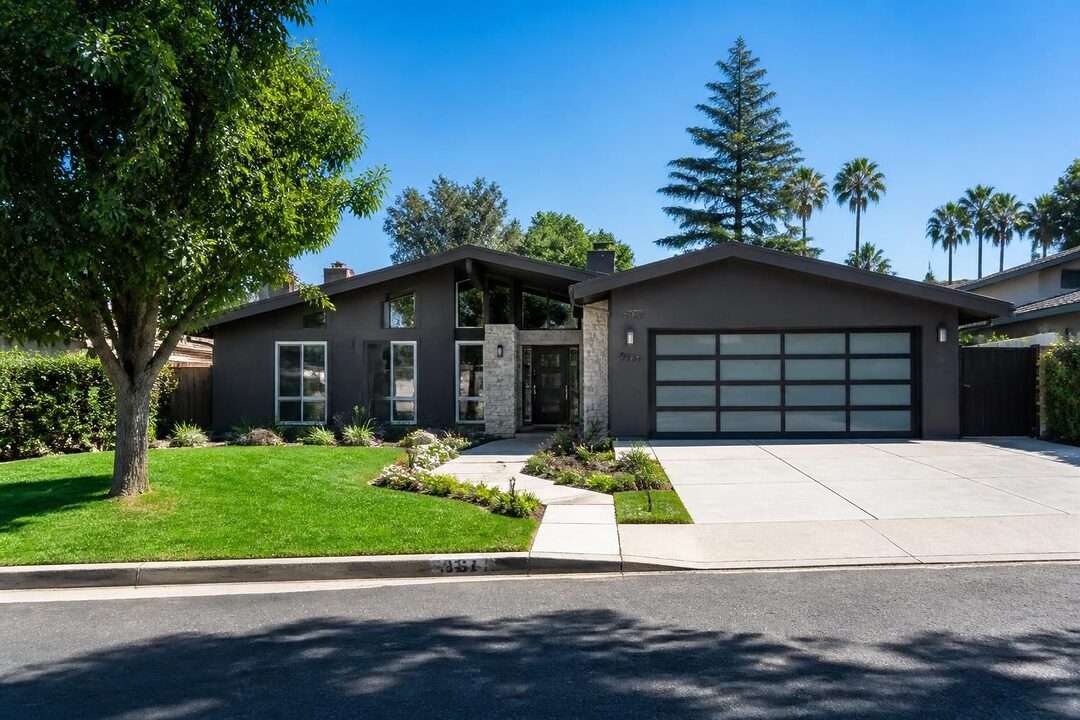
Luxury glass homes have redefined modern living by seamlessly integrating expansive interiors with the natural beauty that surrounds them. These structures elevate the concept of open concept design, capitalizing on panoramic views and abundant natural light to create serene environments that blend indoor outdoor living with sustainable design principles. Far beyond mere aesthetics, these homes reflect a thoughtful response to contemporary lifestyles that value minimalism, urban luxury, and connection to the environment.
At the intersection of advanced glass architecture and innovative engineering, luxury glass homes represent an evolution in residential real estate, where the emphasis moves beyond traditional walls to embrace transparency and spatial fluidity. They offer a distinct lifestyle marked by immersive views, energy efficiency, and a harmonious balance between privacy and openness. This synergy brings lasting value for homeowners looking to invest in properties that embody both elegance and practicality in 2026’s real estate market.
Strategic Architecture for Maximizing Panoramic Views and Natural Light in Luxury Glass Homes
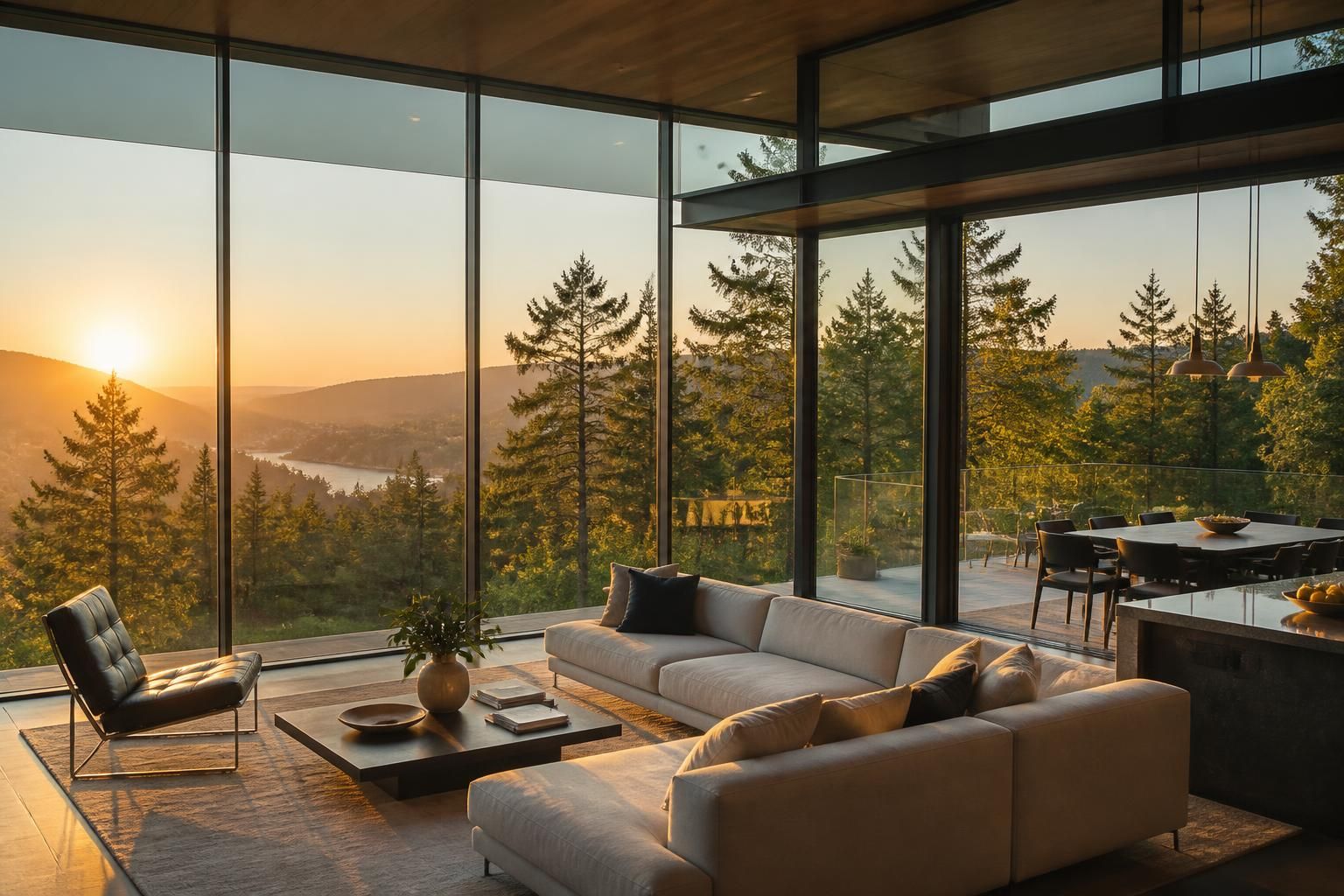
The hallmark of luxury glass homes lies in their ability to harness panoramic views through meticulously designed glass facades. This planning extends well beyond simply installing floor-to-ceiling windows; it requires a comprehensive architectural strategy to optimize natural light while maintaining privacy and energy efficiency. Designers focus on orienting the home to capture sunrise and sunset vistas, integrating outdoor spaces, and employing high-performance glazing technologies to reduce heat loss and solar gain.
One commonly observed practice involves the use of a single expansive glass feature wall that links living areas directly with scenic outdoor environments such as coastal cliffs, forested landscapes, or urban skylines. This approach accentuates the open concept ethos by visually expanding interior space, enhancing spatial perception, and fostering a stronger connection with nature. For example, a hillside villa might prioritize glass walls facing a valley view while enclosing other sides with solid materials to afford privacy and structural support.
Furthermore, modern glass homes increasingly rely on advanced materials including Low-e double and triple-pane windows that incorporate argon gas fills and coatings to significantly improve insulation. These technologies help maintain a comfortable temperature year-round and reduce reliance on artificial heating or cooling, aligning with sustainable design goals. Through such innovations, the once-challenging energy concerns related to extensive glass usage are now mitigated, enabling homeowners to enjoy spectacular natural light without undue operational costs.
This balance between transparency and functionality is further enhanced by thoughtful landscaping, such as evergreen hedges or strategically placed berms, to buffer sightlines and preserve privacy in neighborhoods characterized by close proximity. Together with architectural orientation and natural buffers, privacy considerations prove achievable without compromising the breathtaking openness characteristic of glass architecture. Homeowners can thus experience urban luxury that includes the tranquility of secluded living coupled with expansive nature views.
These design solutions not only facilitate the capture of panoramic views but also promote well-being through daylighting. Exposure to natural light regulates circadian rhythms, boosting occupants’ sleep quality and energy levels. This physiological benefit positions luxury glass homes as residences that support holistic health, making them desirable in today’s property market where wellness factors increasingly influence buyer preferences.
The Functional Advantages of Glass Architecture: Energy Efficiency, Comfort, and Innovative Materials
The perception of glass homes as cold or energy inefficient has shifted considerably owing to remarkable advances in glass technology and construction methods. Modern luxury homes implement thermal break frames coupled with insulated glazing units, which drastically reduce heat transfer. This improvement over traditional single-pane glass addresses key concerns historically associated with glass architecture, such as drafts and rising energy bills.
High-performance glass employs a multi-layer construction: double or triple panes separated by inert gases like argon or krypton create effective insulation barriers. Moreover, Low-e coatings act as invisible shields that regulate solar radiation, reflecting infrared heat to keep interiors cool during summer and trapping warmth in winter. This function mimics a thermos effect—a concept validated by industry professionals and environmental assessments.
In urban settings where glass homes may face solar exposure from multiple angles, integrating shading elements such as overhangs, louvers, or operable screens complements glazing technologies to prevent overheating. Smart glass technologies, including electrochromic or switchable glass, offer dynamic control over light transmission and privacy by adjusting transparency with the flip of a switch. This feature enhances occupant comfort without sacrificing their view or natural light access.
From a maintenance perspective, while glass surfaces require routine cleaning to preserve clarity and appearance, advancements like self-cleaning coatings reduce manual effort and water usage. Homeowners investing in these cutting-edge materials benefit from long-term durability and aesthetic appeal that contribute to property value and satisfaction.
These technical achievements enable luxury glass homes to deliver a unique blend of openness and sustainability. The resulting indoor environment is not only visually inspiring but also energy-conscious, advancing modern living standards aligned with environmentally responsible development. Buyers increasingly recognize these homes as investments in both lifestyle enhancement and energy savings, reinforcing their appeal within competitive markets like Southern California and other premium locales.
Balancing Privacy and Transparency: Innovative Solutions for Glass Homes in Residential Areas
While luxury glass homes excel at opening interior spaces to surrounding landscapes, maintaining privacy remains a complex challenge for many homeowners. This is especially true in urban or suburban areas where homes are situated closer together. Addressing privacy concerns requires integrating architectural ingenuity, landscape design, and emerging technologies.
Effective privacy strategies begin with site orientation—positioning glass walls towards secluded vistas such as hillsides, water bodies, or private gardens while placing more opaque structural elements on sides adjacent to neighbors or public streets. This initial step narrows the exposure footprint and preserves a sense of security.
Landscaping acts as a natural privacy buffer. Sound and visual barriers like tall evergreen trees, bamboo groves, or sculpted hedges mitigate sightlines without compromising the aesthetic appeal of outdoor spaces. In many cases, elevated earth berms or discrete fences further enhance screening while complementing the property’s overall design.
Modern technologies elevate privacy options to a new level. Switchable or smart glass can alter opaqueness instantly, offering homeowners the choice to maintain panoramic views or diffuse transparency without physical window coverings. This innovation is particularly useful for bathrooms, bedrooms, or home offices where privacy is paramount yet natural light is desired.
Combining these measures creates a layered privacy approach that respects the open concept while prioritizing the occupants’ comfort. Such solutions have gained traction in luxury neighborhoods where urban luxury demands both openness and discretion. In this context, the ability to customize privacy dynamically through technology or landscaping distinguishes high-end glass homes in markets that are seeing rising demand for thoughtfully designed properties.
Structural Engineering Behind Glass Facades: Supporting Panoramic Walls Safely and Elegantly
One of the most remarkable aspects of luxury glass homes is the engineering precision that supports vast transparent surfaces without sacrificing stability or style. Unlike traditional homes where solid walls carry significant structural loads, glass homes rely on advanced frame systems and load-distributing components to uphold expansive glazing installations.
Structural glass walls operate as integrated systems, combining tempered or laminated glass panels, steel or aluminum frames, and concealed support beams known as headers. These headers bear the bulk of the roof and upper-level loads, transferring weight to sturdy vertical columns located at strategic anchor points. This engineering feat allows large, uninterrupted glass expanses while meeting strict building codes and performance criteria.
The choice of framing materials plays a crucial role. Steel frames offer strength to manage heavy glass panels and resist wind loads common in coastal or elevated locations. Aluminum frames, often thermally broken to reduce heat flow, provide a lighter yet robust solution that complements minimalist architectural styles.
Installation demands specialized crews proficient in handling fragile and heavy components with precision. Cranes or lifts position glass units with millimeter accuracy to ensure airtight seals and structural integrity. Such meticulous assembly impacts overall project timelines and budgets but guarantees a durable and visually stunning outcome.
Understanding these structural nuances enlightens homeowners and investors about the premium nature of glass architecture. It contextualizes the higher costs associated with building luxury glass homes, distinguishing them from conventional properties and justifying their market value. This balance of art and engineering underscores the increasing popularity of glass homes as a sophisticated real estate investment opportunity aligning with refined tastes and modern living demands.
Planning and Building Luxury Glass Homes: A Practical Guide for Modern Living
Building a luxury glass home requires more than aesthetic preferences; it demands thorough planning, site analysis, and collaboration with specialists in architecture and engineering. Prospective homeowners must evaluate their priorities regarding light, view, privacy, and budget before embarking on this unique journey.
Key steps include:
- Site Analysis: Identifying the site’s best vantage points, sunlight patterns, and potential privacy challenges shapes the home’s orientation and glass placement.
- Defining Priorities: Deciding whether panoramic views outweigh cost considerations or how much privacy is essential influences the extent of glazing and use of technologies like switchable glass.
- Engaging Experts: Hiring architects and structural engineers experienced in glass architecture ensures the design is feasible, compliant, and optimized for energy efficiency.
Custom glass homes often integrate well with other sustainable design practices such as green roofing, passive solar heating, and smart home climate controls to further enhance comfort and minimize environmental impact. The integration of technology—such as automated window tinting, smart lighting, and security systems—complements the home’s open concept while catering to modern urban luxury living.
While the initial investment may be higher compared to traditional construction, the unique combination of spectacular panoramic views, superior natural light, and elevated living experience offers long-term value. This is especially true in competitive luxury real estate markets known for discerning buyers seeking properties that stand out both architecturally and functionally.
| Feature | Benefit | Potential Drawback |
|---|---|---|
| High-performance Low-e Glass | Enhances energy efficiency, reduces heat transfer | Higher upfront cost compared to standard windows |
| Switchable Smart Glass | Instant privacy with maintained natural light | Requires electrical systems, adds to maintenance |
| Strategic Landscaping | Natural privacy buffers, aesthetic enhancement | Requires ongoing upkeep and planning |
| Steel/Aluminum Structural Frames | Supports large glass panels while enabling minimalist design | Material costs and specialized labor increase construction budget |
| Automated Climate Controls | Optimizes energy use and occupant comfort | Additional technology investment and setup complexity |
For those interested in exploring further, properties like a glass house in California showcase how these design principles come together in stunning regional settings. Similarly, examining luxury outdoor spaces adjacent to glass homes highlights the potential for harmonizing indoor outdoor living seamlessly.
What are the main benefits of luxury glass homes?
Luxury glass homes maximize natural light, offer stunning panoramic views, create a seamless connection to outdoor spaces, and incorporate energy-efficient glass technologies enhancing comfort and reducing energy consumption.
How is privacy maintained in glass homes?
Privacy is maintained through strategic building orientation, natural landscaping buffers like trees and berms, and modern solutions such as switchable smart glass that can change from transparent to frosted instantly.
Are luxury glass homes energy efficient?
Yes, when equipped with double or triple-pane glazing and Low-e coatings, luxury glass homes perform well in insulation and solar control, often surpassing traditional homes in energy efficiency when properly designed.
Why do glass walls cost more than traditional walls?
The higher cost stems from specialized manufacturing of insulated, coated glass panels, the need for precise structural engineering, and the complex installation process requiring skilled labor and equipment.
What should I consider before building a luxury glass home?
Consider your site’s orientation, privacy needs, budget, and engage experienced architects and structural engineers who specialize in glass architecture to ensure a successful project.

At 33 years old, I specialize as a Licensed Residential Real Estate Advisor and Property Market Analyst. With a deep understanding of market trends and client needs, I provide strategic insights and personalized guidance to help clients make informed real estate decisions.